Professional High Quality Stage Lighting Manufacturer

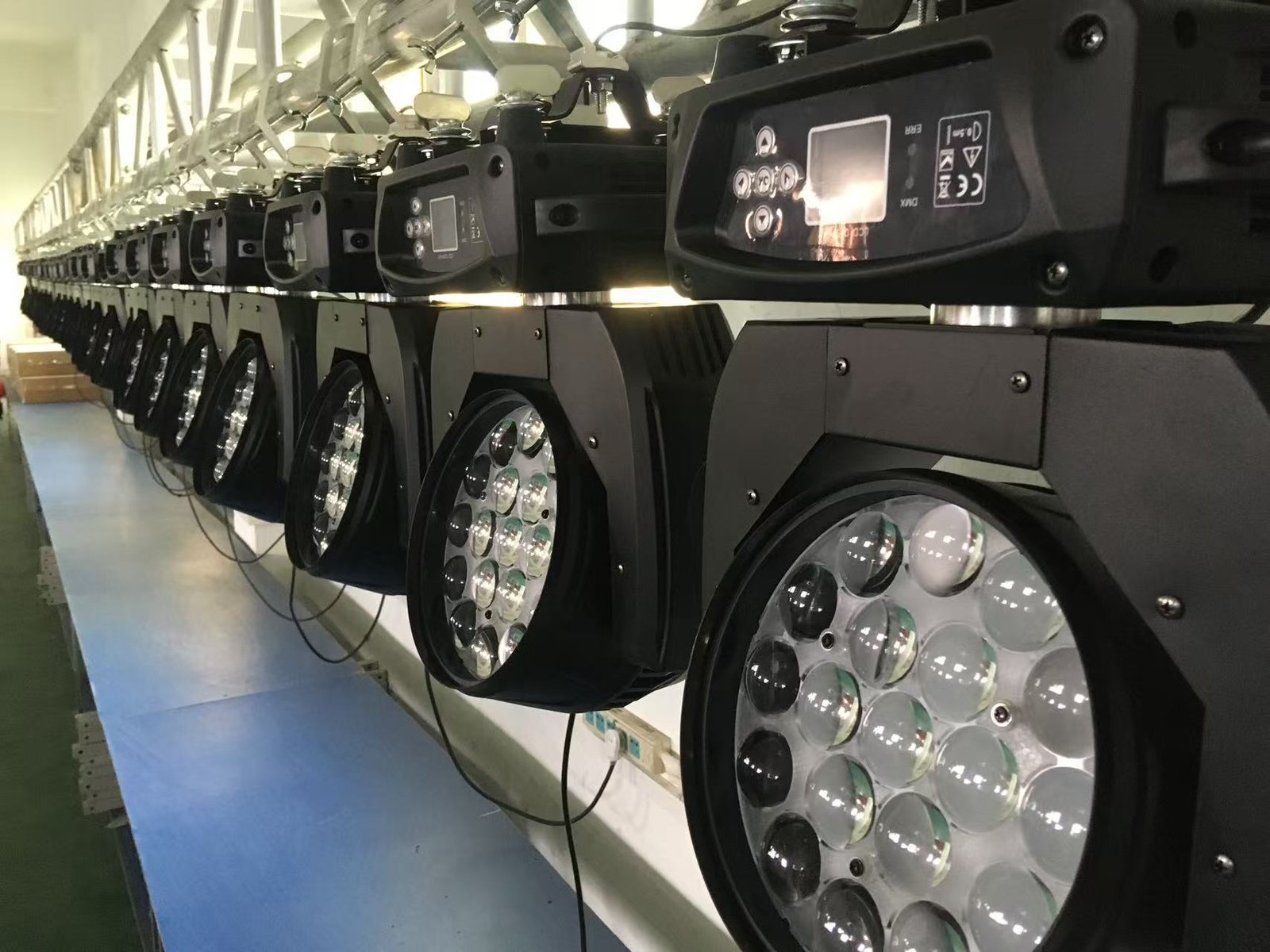
Table of Contents
A moving head light pans and tilts on its own. A par can can’t do that — it stays fixed once you point it. That built-in motor is the one feature that separates every moving head on the market from every fixed fixture in a lighting rig.
This guide explains what’s inside a moving head, the two types Tealshine builds, and how to match a model to your job.
What Is a Moving Head Light?
A moving head light is a fixture with a motorized head. The head pans left and right. It tilts up and down. Both movements happen under optional remote control, without anyone touching the fixture during a show.
Most moving heads run on DMX — short for Digital Multiplex, the standard signal protocol lighting consoles use to control fixtures. A console sends position, color, and speed data down a DMX cable or a wireless DMX link, and the fixture’s internal motors respond in real time.
Inside the head, an LED array or module produces the light. A yoke — the U-shaped bracket around the head — holds the pan motor. A second motor inside the head handles tilt. That two-motor design is what lets the fixture reach almost any angle in a room.
Moving Head vs. Par Can: What Actually Changes
A moving head repositions its beam during a show. A par can does not — it washes one fixed area for the whole event. That single difference decides which fixture fits which job.
| Moving Head | Par Can | |
| Movement | Pans and tilts by motor | Fixed once positioned |
| Beam control | Repositions during the show | Stays on one area all night |
| Typical role | Dynamic effects, chases, audience sweeps | Steady wash, backdrop color |
| Setup | Needs clearance to move without hitting truss or walls | Simple point-and-lock |
Most rigs run both. See our guide to par can lights if fixed wash coverage is what you actually need instead.
The Three Core Types of Moving Head Lights
Moving heads split into two working categories: beam light,wash light and hybrid beam bar. Each does a different job on a stage.
Beam Moving Heads
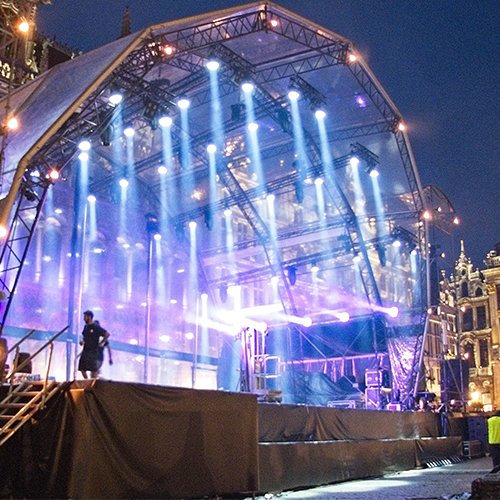
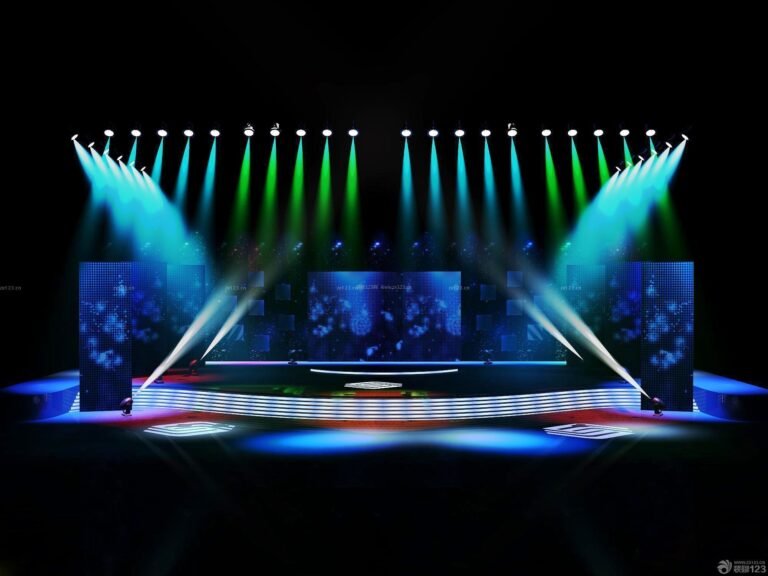
A beam moving head produces a narrow, concentrated shaft of light. The beam stays tight over long distances, which is why touring rigs use beam fixtures to cut through haze and draw sharp aerial patterns above a crowd.
Tealshine builds four beam models. The 120W LED moving head beam and 150W beam cover small-to-mid venues. The 200W module beam steps up output for larger stages. The 150W Mac One beam runs the same 150W RGBL source in a different housing style, built to match a specific rig aesthetic many DJs and production companies already run.
Wash Moving Heads
A wash moving head spreads light across a wide area instead of concentrating it into one shaft. Wash fixtures cover a stage or backdrop in even color, the same job a par can does — except a wash head can move that coverage during the show.
Tealshine’s wash range uses a multi-lens “bee eye” design, where many small lenses combine into one wide, soft-edged wash rather than a single large lens. The 19×40W bee eye wash zoom and smaller 7×40W bee eye wash zoom both include motorized zoom, letting the beam angle widen or narrow without swapping fixtures. The 61×25W Aura wash uses a higher LED count for a smoother, more pixel-mappable wash across a larger surface.
Hybrid Beam Bar
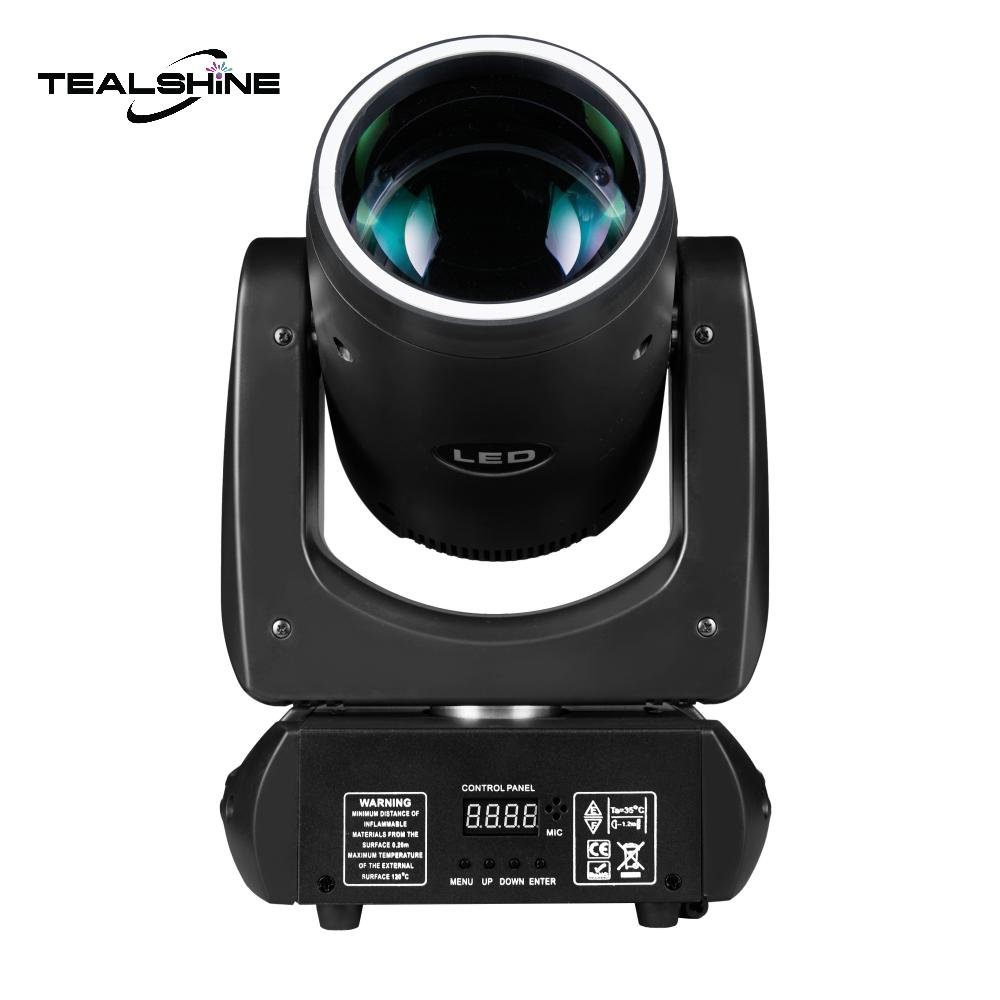
A hybrid fixture combines two effects in one moving head. Tealshine’s 12×40W RGBW moving beam bar with ring strip pairs a row of individual beam lenses with a secondary ring-strip light source around the housing, giving one fixture both a sharp beam effect and a glowing accent ring — useful when a rig needs a hybrid look without racking two separate fixtures.
Beam vs. Wash: Quick Comparison
| Beam | Wash | |
| Light shape | Narrow, concentrated shaft | Wide, soft-edged spread |
| Best for | Aerial effects, audience sweeps, haze-cutting patterns | Backdrop color, stage coverage, even wash |
| Throw distance | Stays sharp over long distances | Loses intensity faster over distance |
| Example Tealshine model | 200W LED beam | 19×40W bee eye wash zoom |
Where Does Spot Fit In?
Spot is the third category most guides mention alongside beam and wash. A spot moving head projects a focused beam through a gobo — a small metal or glass disc etched with a pattern — to throw shapes, logos, or text onto a surface.
Tealshine’s current moving head range focuses on beam and wash models rather than gobo-based spot fixtures. If a project specifically needs projected patterns or logos, that’s worth flagging directly with our team through OEM/ODM rather than assuming it’s covered by the standard beam or wash lineup.
Key Terms to Know Before You Buy
- Pan/Tilt — Pan moves the head side to side. Tilt moves it up and down. Together, they cover the fixture’s full range of motion.
- Gobo — A patterned disc placed in the beam path to project a shape. Spot moving heads use gobos; beam and wash fixtures usually don’t.
- Zoom — A motorized lens adjustment that widens or narrows the beam angle without swapping fixtures.
- DMX channels — The number of control channels a fixture uses. More channels mean finer control over pan, tilt, color, and effects, but also more complex programming.
- RGBW / RGBL — LED color mixes. RGBW adds a white diode; RGBL swaps white for lime, often for cleaner pastel tones.
- IP rating — A fixture’s dust and water resistance rating. IP20 fixtures are for indoor use only; none of Tealshine’s current moving head range is outdoor-rated.
Where Moving Head Lights Get Used
- Concerts and festivals — beam fixtures sweep the crowd and cut through haze on big drops and transitions.
- Clubs and DJ booths — wash and beam models run together, synced to music through sound-active or DMX control.
- Theater and touring productions — wash heads cover a moving backdrop wash that a fixed par can’t replicate.
- Corporate events — wash fixtures deliver clean, controlled color across a stage without the harsher look of a beam effect.
Choosing the Right Type for Your Job
| If you need… | Choose |
| Sharp aerial effects that cut through haze | Beam |
| Even backdrop or stage color that can move | Wash |
| One fixture that does both a beam look and an accent ring | Hybrid beam bar |
| Projected logos, text, or patterns | Spot (not in current Tealshine range — ask about OEM/ODM) |
Frequently Asked Questions
Can one moving head do both beam and wash effects?
Not usually. Beam and wash fixtures use different lens and LED designs built for opposite jobs — a tight shaft versus a wide spread. Hybrid fixtures like the moving beam bar combine two effects in one housing, but they don’t fully replace a dedicated beam or wash unit.
Do moving head lights need a DMX controller?
For full pan/tilt programming, yes. Most moving heads include sound-active or auto-run modes for basic standalone use, but DMX control is what unlocks precise positioning, color cues, and choreographed movement.
How many DMX channels does a moving head typically use?
It varies by fixture and mode, often somewhere between 8 and 20 channels depending on how many parameters — pan, tilt, color, zoom, strobe — the fixture exposes for control. Check the specific model’s DMX chart before patching it into an existing rig.
Is a beam or a wash moving head brighter?
Beam fixtures usually look more intense because their output concentrates into a narrow shaft. Wash fixtures often use similar or higher total wattage, but spread across a wider area, so the light looks softer even though total output can be comparable.
Final Thoughts
A moving head light earns its place on a rig by doing what a fixed fixture can’t: repositioning its beam mid-show. Beam models throw sharp, punchy effects over distance. Wash models cover a stage in even, movable color. Match the type to the job, not the wattage number alone.
Browse Tealshine’s full moving head lighting range to compare all 8 models side by side, or get in touch about OEM/ODM options for custom lens angles and DMX profiles.