Professional High Quality Stage Lighting Manufacturer


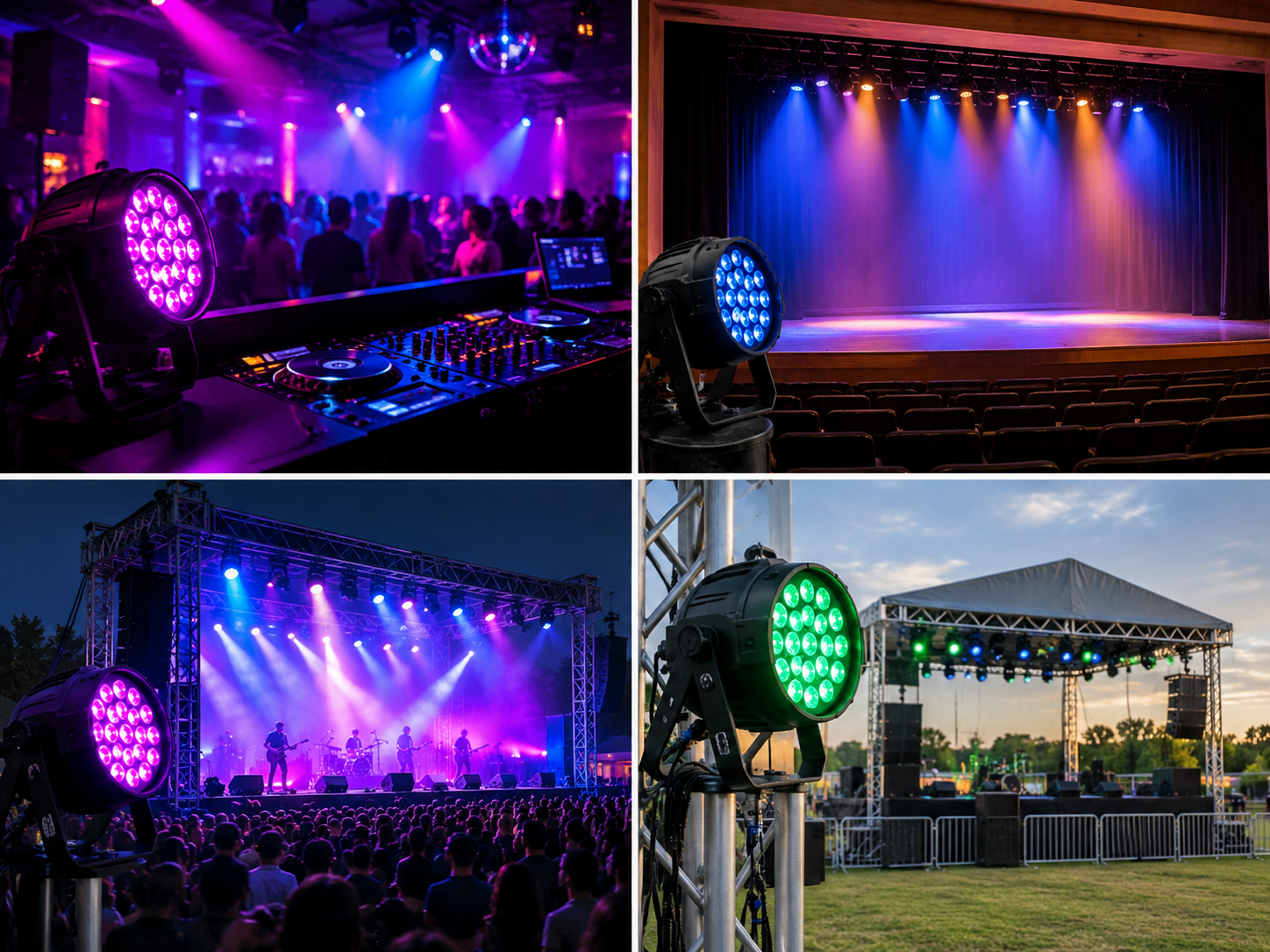
Table of Contents
Choosing the right PAR can lights for stage lighting is not simply a matter of selecting the brightest fixture or the lowest price. A light that works well for a small DJ booth may not provide the coverage needed for a school auditorium, outdoor performance, or large event stage. Beam angle, color options, control compatibility, installation position, and maintenance requirements all affect the final result.
For event production companies, lighting rental businesses, distributors, and venue operators, the right choice also depends on how frequently the fixtures will be used and how easily they can be integrated into an existing lighting system. This guide explains how to choose PAR can lights for different stage lighting applications, compare common configurations, and evaluate the details that matter before purchasing.
Quick answer: Start by identifying the area you need to illuminate and the effect you want to create. Then compare beam angle, light output, color configuration, DMX compatibility, mounting requirements, and operating environment. For many modern installations, LED PAR cans are worth considering because they offer flexible color options and avoid routine lamp replacement associated with traditional replaceable-bulb fixtures.
Match PAR Can Lights to the Application
Before comparing individual fixtures, determine what the lighting needs to accomplish. PAR can lighting is commonly used for colored washes, background illumination, decorative effects, and general stage coverage. However, the requirements differ considerably between a permanent venue and a mobile event setup.
PAR Can Lights for DJ Booths and Nightclubs
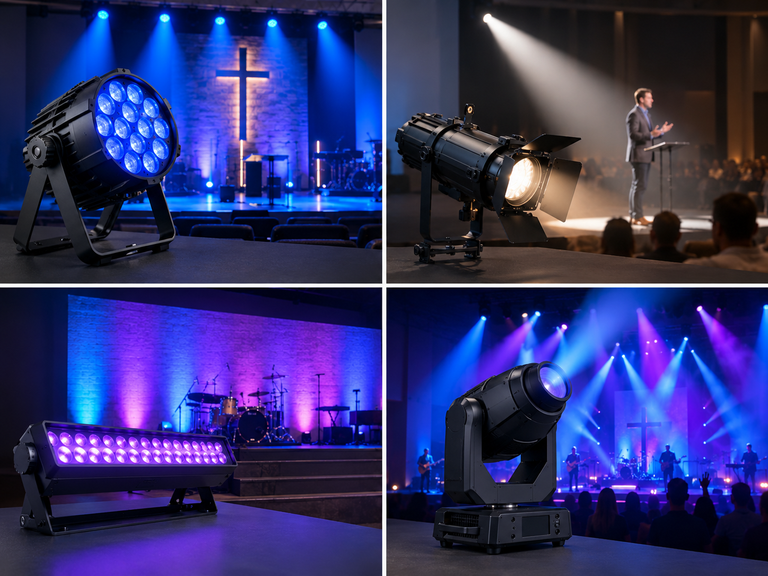
DJ booths and nightclubs often use colored lighting to establish an atmosphere and complement music-driven effects. In these environments, LED PAR cans can provide static color washes, illuminate walls or architectural features, and add color around a performance area.
When choosing parcan lighting for a DJ setup, consider the available mounting positions, the desired color palette, and whether the fixtures need to respond to a DMX controller or operate through simpler standalone programs. Compact fixtures may be convenient for mobile DJs, while permanent installations may place greater importance on mounting arrangements and integration with other lighting equipment.
PAR cans do not need to perform every lighting function. If a production also requires moving beams, changing fixture positions, or projecting patterns, combine the wash function with appropriate moving-head or effect fixtures. See our guide to moving head lights if you are planning a mixed lighting setup.
PAR Can Stage Lighting for Theaters and School Auditoriums
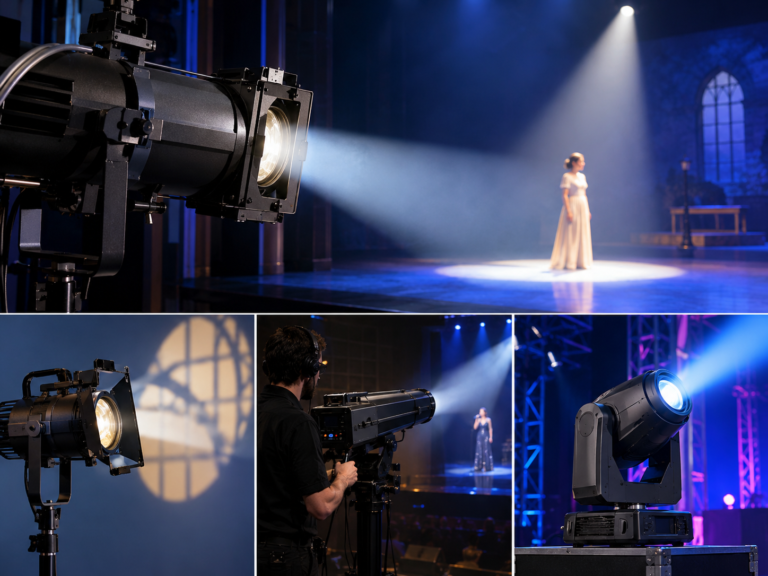
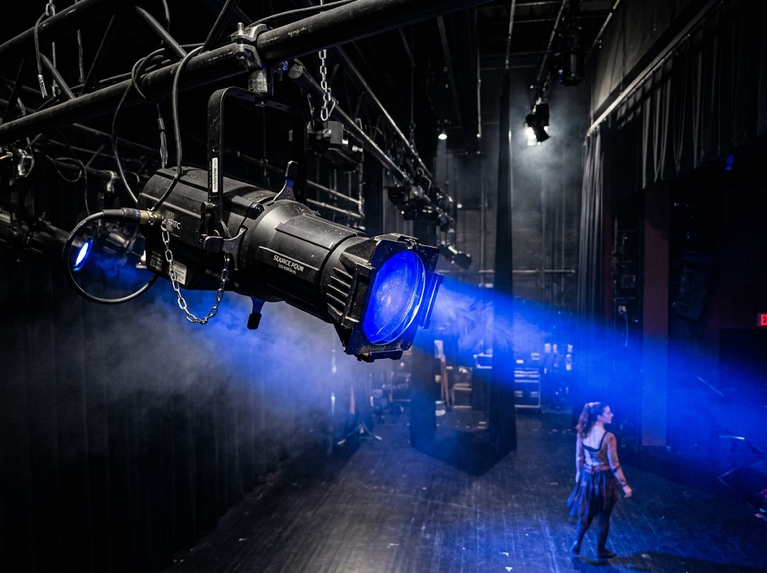
Theater productions, school performances, and multipurpose auditoriums need lighting that supports visibility as well as atmosphere. PAR can lights may be used for colored backgrounds, side lighting, stage borders, and supplementary illumination. The appropriate setup depends on the stage dimensions, mounting height, viewing angles, and the role of the fixtures within the complete lighting design.
For productions in which facial detail and natural skin tones are important, do not assume that a saturated color wash can replace dedicated front lighting. Evaluate color quality and the ability to reproduce the intended appearance of costumes, scenery, and performers. A combination of fixture types is often more practical than asking PAR cans to handle every task.
PAR Cans for Concerts and Live Events
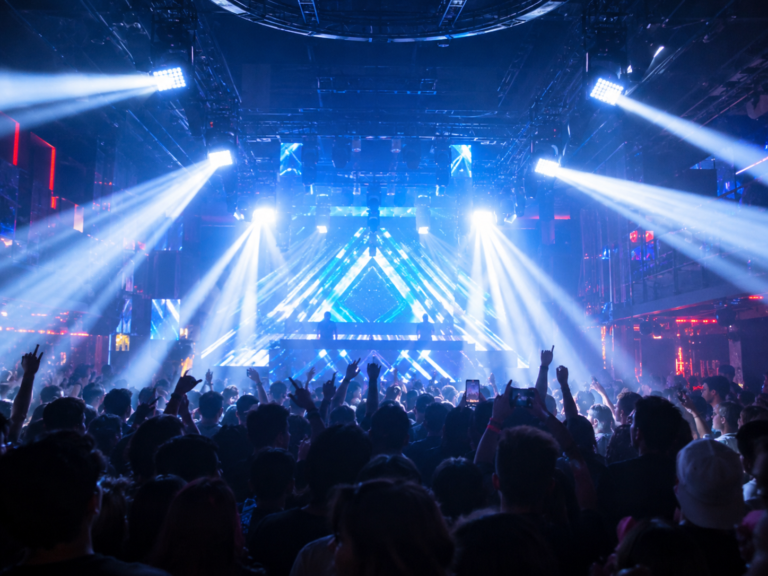
Concerts and live events may require rapid setup, repeatable lighting looks, and coordination between multiple fixtures. For rental companies, consistency across a batch can be as important as the performance of an individual unit. Matching fixtures are easier to group, program, and deploy across different events.
When purchasing stage PAR cans for rental inventory, consider transportation, mounting accessories, cable management, control options, and the availability of replacement parts. If the same fixtures will be used in different venues, flexible color settings and compatible control modes can reduce the need to maintain separate inventories for every type of event.
PAR Can Lighting for Outdoor Events
Outdoor stages introduce additional considerations, including rain exposure, dust, temperature changes, and the need to protect electrical connections. A fixture intended for indoor use should not be assumed suitable for an exposed outdoor installation.
Check the manufacturer’s stated IP rating and operating conditions, and make sure the fixture’s protection level matches the actual installation environment. Outdoor use may also involve longer distances between fixtures and the stage, so beam coverage and available output should be evaluated under the expected mounting conditions.

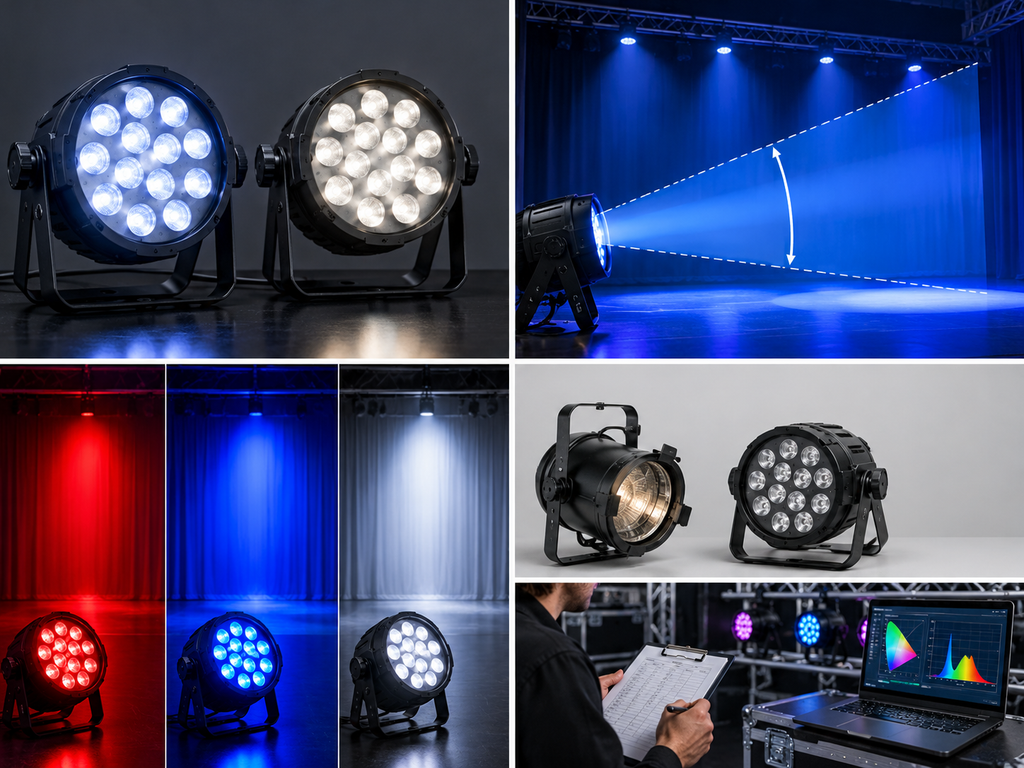
Choose the Right Beam Angle for PAR Can Lighting
Beam angle determines how widely a fixture spreads its light. It affects the illuminated area, the intensity concentrated within that area, and the amount of overlap needed between fixtures. For buyers comparing PAR can lights, beam angle is one of the most useful specifications to review before selecting a model.
| Beam Type | Typical Use | What to Consider |
| Narrow beam | Concentrated colored effects or smaller target areas | Coverage may be limited; positioning becomes more important. |
| Medium beam | General stage washes and localized coverage | Check how much overlap is needed to avoid uneven illumination. |
| Wide beam | Broad background washes and wider areas | A wider spread does not automatically mean sufficient brightness at every point. |
These categories are descriptive rather than universal angle ranges. Actual beam specifications vary by fixture design, optics, and manufacturer, so compare the stated angle for each model instead of relying on labels such as narrow or wide alone.
For example, a narrow beam may be useful when illuminating a specific section of a set, while a wider beam may reduce the number of fixtures needed to cover a broad backdrop. The final result still depends on fixture output, mounting distance, and the surface being illuminated.
How to Estimate the Illuminated Area
For a simplified beam estimate, the diameter of the illuminated area can be calculated from the throw distance and beam angle:
Beam Diameter ≈ 2 × Distance × tan(Beam Angle ÷ 2)
Suppose a fixture has a nominal 30-degree beam angle and is positioned 5 meters from the target surface. The estimated beam diameter is approximately 2.7 meters. This is a geometric estimate, not a guarantee of usable illumination across the entire area. Real-world beam edges, intensity distribution, and optical design affect the result.
When planning a stage, calculate the coverage of each fixture and then check the overlap between adjacent beams. This is more reliable than choosing fixtures based only on the size of their housings or their wattage ratings.
Compare Light Output and Fixture Power
Power consumption is an important purchasing specification, but wattage alone does not tell you how bright a PAR can light will appear on stage. Two fixtures with the same electrical power rating can produce different levels of illumination because of differences in LED efficiency, optical design, beam angle, and color settings.
When comparing LED PAR cans, review the available photometric information wherever possible. Depending on the application, useful specifications may include luminous flux, illuminance at a stated distance, beam angle, and field angle. Illuminance measurements are especially useful when you need to estimate the light reaching a particular point on a stage.
When Are PAR 64 Can Lights Worth Considering?
PAR 64 can lights are a familiar format in traditional stage lighting. The number refers to the nominal reflector diameter in eighths of an inch, giving a nominal diameter of 8 inches. The designation identifies a size format; it does not, by itself, establish the fixture’s brightness, beam spread, or electrical requirements.
When evaluating a PAR 64 fixture, determine whether it uses a traditional replaceable lamp or an LED-based design. These options can differ in lamp compatibility, power consumption, heat output, dimming behavior, and maintenance requirements. If you are replacing existing fixtures, check the physical dimensions, mounting arrangement, electrical supply, and control compatibility before ordering.
Why the Intended Color Matters When Comparing Output
Light output can change with the selected color or color-mixing configuration. A fixture’s white-light performance may not represent its output when producing a saturated red, blue, or other single color. If your production relies heavily on particular colors, ask for performance information that reflects the intended operating mode.
For procurement teams, this is especially relevant when comparing different suppliers. Use consistent testing conditions and compare like-for-like specifications rather than selecting a fixture solely because its advertised wattage is higher.
Select the Right PAR Color Configuration
Color capability influences both the visual effect and the flexibility of a stage lighting system. The right PAR color configuration depends on whether a venue needs a limited set of repeatable colors, frequent color changes, or more precise control over the appearance of the stage.
Single-Color and Fixed-Color PAR Lights
Fixtures designed around a fixed color can suit installations with consistent lighting requirements. For example, a venue may need a particular color for a backdrop, architectural feature, or recurring event. A fixed-color approach can simplify operation when the lighting design rarely changes.
However, a fixed-color fixture offers less flexibility when a production needs multiple looks. Before selecting one, consider whether future events may require different colors or whether the fixture will be dedicated to one task for most of its service life.
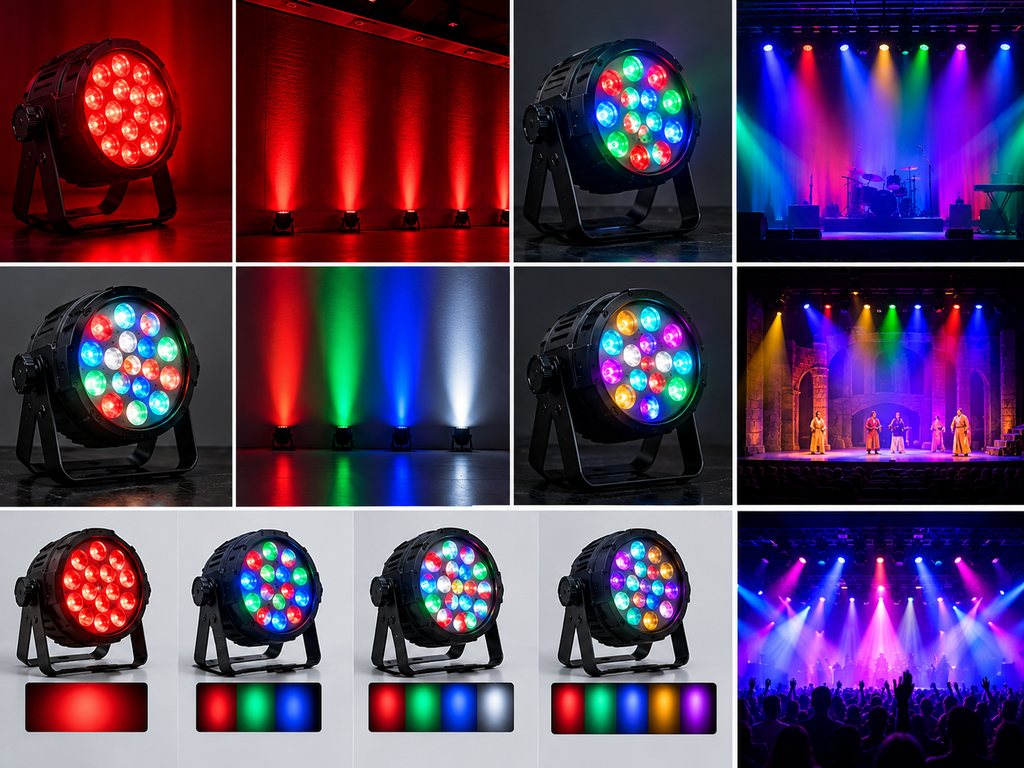
RGB, RGBW, and Other LED PAR Can Configurations
Many LED PAR cans use multiple LED color channels. RGB systems combine red, green, and blue, while RGBW systems add a white channel. Other configurations may use additional colors to support different mixing or white-light requirements.
- RGB: Suitable for creating a wide range of mixed colors when the fixture and control system support the required mixing functions.
- RGBW: Adds a dedicated white channel, which can be useful when a production needs both colored effects and a separate white-light option.
- Other multi-color systems: May provide additional color-mixing options, but the result depends on the actual LED arrangement and fixture design.
Do not assume that every multi-color fixture produces identical shades or white light. If color consistency is important across a large installation, request information about color mixing, dimming behavior, and consistency between units. For distributors and rental businesses, testing a sample fixture before a large order can help confirm that its color output fits the intended application.
Planning PAR Color for Different Events
Color choices should support the purpose of the event rather than simply use as many colors as possible. Corporate events may call for restrained background colors, while concerts and dance events may use stronger color changes to support the performance. Theater productions may need specific colors to complement scenery, costumes, or the intended mood of a scene.
When creating a lighting inventory, think about the range of looks that the fixtures need to produce. A flexible LED PAR can may be suitable for different types of events, but it still needs adequate output, appropriate optics, and compatible controls for each task.
LED PAR Cans vs. Traditional PAR Fixtures
Buyers comparing LED PAR cans with traditional lamp-based PAR fixtures should evaluate the entire operating requirement, not only the initial purchase price. The two approaches can serve similar lighting roles, but their maintenance routines and control characteristics may differ.
| Comparison Point | LED PAR Can | Traditional Lamp-Based PAR |
| Color options | May offer electronic color mixing, depending on the model. | Often uses colored lamps, filters, or external color accessories. |
| Lamp maintenance | Does not require routine replacement of a conventional light bulb, although other components may need servicing. | Replacement lamps may be required during the fixture’s service life. |
| Control | May support DMX, onboard programs, or other modes depending on the model. | Dimming and control depend on the lamp, fixture, and electrical system. |
| Evaluation priorities | Check output, color performance, cooling, control modes, and serviceability. | Check lamp availability, power requirements, heat management, and replacement procedures. |
LED technology can simplify color changes and reduce the need to stock multiple colored lamps or filters for some applications. However, not every LED fixture is automatically the better choice. An existing venue may have a working inventory of traditional fixtures, established dimming equipment, and specific replacement requirements.
For a new installation, compare purchase price, expected operating hours, energy use, maintenance needs, and compatibility with the existing rig. For a replacement project, check whether the new fixture can perform the same role without requiring extensive changes to mounting or control equipment.
Check DMX and Control Compatibility
Control requirements are easy to overlook when comparing PAR can lights, particularly when the fixtures will be added to an existing lighting rig. A fixture may offer attractive color options, but those features are less useful if the control method does not fit the venue’s workflow.
For a simple installation, onboard controls or standalone programs may be sufficient. A larger stage, theater, or rental setup may need DMX control so operators can group fixtures, adjust intensity, select colors, and coordinate lighting cues from a controller.
Before ordering, confirm the supported control protocols, DMX channel modes, connector types, and available operating modes. Check whether the fixture supports the functions your operator actually needs. More channels are not automatically better if they add complexity without improving the intended lighting result.
If you are planning a DMX-based system, our guide to what a DMX controller does provides additional background on the role of the controller in a lighting setup.
For multiple fixtures, also check how they will be addressed and connected. A clear control plan makes it easier to organize fixtures into groups and reproduce lighting looks across different events. Where a lighting console is already in use, verify compatibility before committing to a large order.
Plan Fixture Placement and Coverage
Even a suitable PAR can light can produce disappointing results when it is positioned incorrectly. Placement affects the illuminated area, shadows, reflections, glare, and how evenly the stage is covered. The goal is to select a fixture and position that work together, rather than trying to solve every coverage problem by purchasing a higher-wattage model.
Front, Side, and Back Positions
Front positions can contribute to performer visibility, but the angle must be considered carefully to avoid uncomfortable glare and excessive shadows. Side positions can add color and reveal the shape of performers or scenery. Back positions can create separation between the stage and its background, depending on the production design.
PAR cans can support these different roles, particularly when the lighting plan calls for broad colored coverage. However, the exact fixture arrangement depends on stage dimensions, truss positions, audience sightlines, and the other lighting equipment in use.
How to Place Can Lights for More Even Coverage
When deciding how to place can lights, start with a simple stage plan showing the target areas, available mounting positions, and throw distances. Estimate each fixture’s coverage from its beam angle, then check whether adjacent beams overlap enough to avoid visible gaps.
- Identify the stage zones that require illumination, such as the performance area, backdrop, side sections, or decorative surfaces.
- Measure the approximate distance from each mounting position to the target area.
- Compare beam angles and estimated coverage rather than relying on the fixture’s wattage alone.
- Allow for overlap where a continuous wash is required.
- Test the setup at the actual operating distance and check for uneven brightness, unwanted spill, and glare.
Dark scenery, reflective materials, and colored surfaces can change how the result appears to the audience. A setup that looks even on a white test surface may look different on a dark stage backdrop. Whenever possible, evaluate a sample fixture in conditions similar to the final installation.
Remember that PAR can lights are one part of a complete lighting design. If a task requires a tightly controlled beam, a sharply defined pattern, or a moving effect, another fixture type may be more appropriate. The right combination depends on the desired effect rather than on a single fixture category.
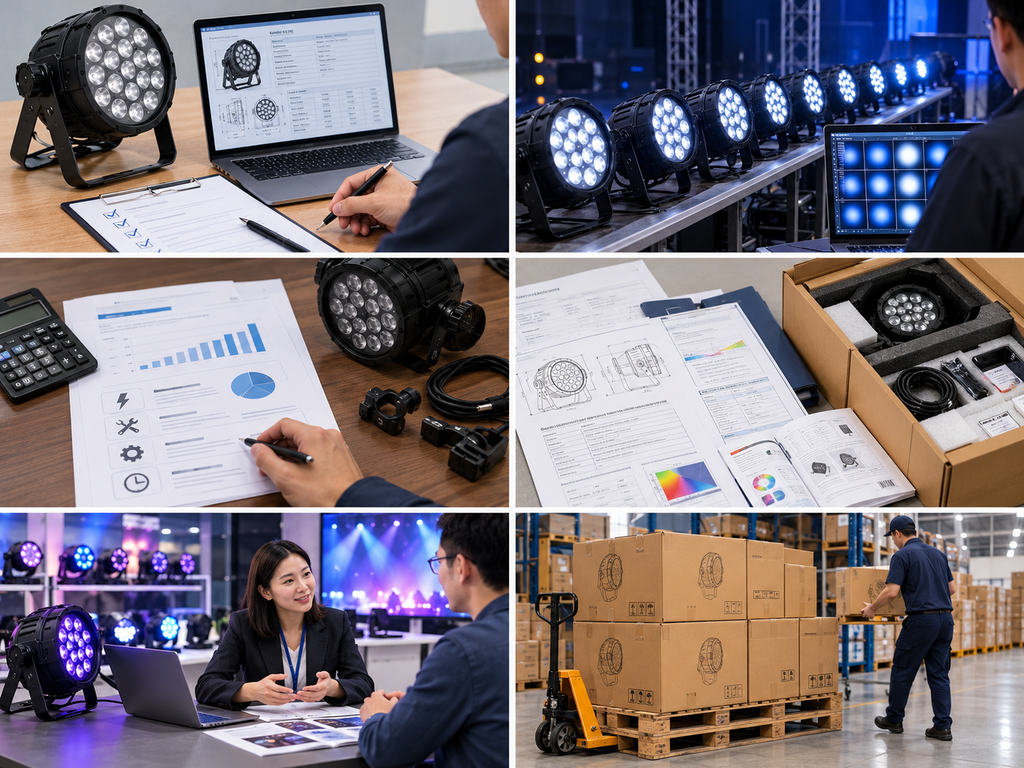
What Buyers Should Check Before Ordering PAR Can Lights
For distributors, rental companies, system integrators, and venue operators, a purchasing decision should include both the fixture specifications and the supplier’s ability to support the project. A clear technical comparison can prevent problems that are difficult to resolve after delivery.
1. Confirm the Required Specifications
Prepare a specification list before requesting quotations. Include the intended application, beam angle, color configuration, output requirements, control modes, power supply, mounting method, and installation environment. If the fixtures must fit an existing rig, include relevant dimensions and connection requirements.
When comparing quotations, make sure suppliers are pricing fixtures with comparable functions. A low-cost fixture without the required control modes or environmental protection may not be a suitable alternative to a model that meets the full specification.
2. Evaluate Consistency Across Multiple Units
For multi-fixture installations, ask how the supplier manages product consistency. Differences in color appearance, output, or control behavior can complicate programming when fixtures are expected to operate together. Sample testing and clear acceptance criteria can help establish whether a model is appropriate for the project.
For rental businesses and distributors, also consider packaging, accessories, spare parts, documentation, and the process for handling technical issues. These details influence the practical value of a purchase after the fixtures have arrived.
3. Compare Total Ownership Requirements
The purchase price is only one part of the cost of operating stage lighting equipment. Depending on the fixture, buyers may also need to account for energy consumption, maintenance, replacement components, installation labor, and the time required to prepare equipment for each event.
LED PAR cans may reduce some lamp-replacement tasks, but buyers should still review cooling design, service access, warranty terms, and the availability of technical support. Compare these requirements against the expected use of the fixtures instead of assuming that one technology will always cost less over its entire service life.
4. Ask for Technical Information Before Bulk Purchasing
For large orders or OEM/ODM projects, request the technical documentation needed to evaluate the product properly. Depending on the project, this may include dimensions, electrical specifications, beam information, control-channel details, mounting instructions, environmental ratings, and applicable compliance documentation.
Discuss any customization requirements before production, including the intended market, control preferences, packaging, labeling, and order quantity. Confirm which options are available for the specific model rather than assuming every configuration can be customized.
At Tealshine, buyers planning a stage lighting project can contact our team to discuss application requirements and identify suitable fixture options. Providing the target venue, desired lighting effect, approximate mounting distance, control system, and estimated quantity helps make the initial discussion more productive.
Frequently Asked Questions About PAR Can Lights
What are PAR can lights used for?
PAR can lights are used for colored stage washes, background illumination, decorative lighting, and other general lighting tasks. Their suitability depends on the beam angle, output, color capabilities, mounting position, and requirements of the production.
What does PAR stand for in lighting?
PAR stands for Parabolic Aluminized Reflector. In stage lighting, the term is associated with lamp and fixture formats that use a reflector-based optical arrangement. Modern LED PAR fixtures may use different internal optical designs, so the name alone does not describe every aspect of their construction.
Are LED PAR cans suitable for stage lighting?
Yes. LED PAR cans can be suitable for stage washes, colored background lighting, DJ setups, and many event applications. Before choosing a model, check its output, beam angle, color configuration, control compatibility, and suitability for the installation environment.
Are PAR 64 can lights brighter than smaller PAR fixtures?
Not necessarily. PAR 64 identifies a nominal lamp or reflector size format, not a guaranteed brightness level. Actual performance depends on the light source, optical system, beam angle, and other fixture specifications. Compare photometric data when brightness is a key requirement.
How many PAR can lights do I need for a stage?
There is no universal fixture count. The number depends on stage dimensions, mounting height, beam angle, desired illumination, fixture output, and the lighting roles that need to be covered. Start with a stage layout and estimate the coverage of each fixture, then refine the arrangement through testing.
Can PAR can lights be controlled with DMX?
Many stage PAR fixtures support DMX, but this is model-dependent. Check the product specifications for supported DMX modes, channel counts, connectors, and available functions. If the fixtures will join an existing lighting system, confirm compatibility before purchasing.
Should I choose LED PAR cans or traditional PAR can bulbs?
The choice depends on the application and the existing equipment. LED PAR cans may offer electronic color mixing and reduce conventional lamp-replacement tasks, while traditional fixtures may suit venues that already use compatible lamp-based systems. Compare the full operating requirements, not just the initial price.
What should distributors check before buying PAR can lights in bulk?
Distributors should review technical specifications, consistency between units, control compatibility, documentation, warranty conditions, spare-part availability, packaging, and supplier support. For customized orders, confirm the available options, minimum order requirements, and approval process before production begins.
Choose PAR Can Lights for Your Next Project
The right PAR can lights should match the venue, the required beam coverage, the intended color effects, and the existing control system. For professional buyers, consistent specifications, practical maintenance, and reliable technical support are also important parts of the decision.
If you are sourcing stage lighting for a venue, rental inventory, distribution business, or OEM/ODM project, contact Tealshine with your application requirements and estimated quantity to discuss suitable options.