Professional High Quality Stage Lighting Manufacturer


Table of Contents
A ballroom reception for 150 guests typically needs 16–24 battery powered uplighting fixtures spaced around the room’s perimeter to read as a full, even wash instead of scattered spots of color against dark walls. Too few battery operated uplights and the room looks half-lit; too many and the budget balloons for a wash that overlaps itself. Getting the count, color, and placement right is a planning exercise, not a guessing game — this guide walks through the actual math and the mistakes that most often show up in wedding photos afterward.
How Many Uplights a Wedding Actually Needs
Fixture count depends on room perimeter and beam spread, not guest count directly — a wide, open room needs more fixtures than a narrow one holding the same number of guests. As a planning baseline, space fixtures roughly every 8–10 feet along a wall run for a continuous wash with a standard 25°–40° beam angle, the same overlap logic covered in our par can stage lighting setup guide.
| Room Type | Approx. Perimeter | Fixture Count |
| Small reception (50–75 guests) | ~120–160 ft | 8–12 fixtures |
| Medium reception (100–150 guests) | ~180–240 ft | 16–24 fixtures |
| Large reception (200+ guests) | ~280–360 ft | 30–40+ fixtures |
| Outdoor/tented ceremony | Arch + aisle entrance only | 6–10 fixtures |
Figures above are planning estimates based on standard beam spacing, not a fixed formula — walk the actual room before finalizing a count, since column placement, window bays, and architectural features change real coverage needs.
Ceremony spaces need far fewer fixtures than receptions because the goal is different: accenting the arch or altar structure and marking the aisle entrance, not washing an entire room. Most ceremony setups use 2–4 fixtures on the arch alone, plus 4–6 more along the aisle or entrance if the space calls for it.
Choosing Colors That Actually Photograph Well
Warm white in the 2700K–3000K range — the Kelvin scale measuring color temperature, where lower numbers read warmer/more amber and higher numbers read cooler/more blue — flatters skin tones better than cool white or heavily saturated color washes, which is why most wedding photographers request it as the default over deep reds, purples, or blues.
Saturated colors look striking to the eye in the room but often shift photos toward an unnatural color cast across every image taken against that backdrop. A deep red or magenta wash, in particular, can tint skin tones in a way that’s difficult to correct in editing. If a couple wants a bold color, test it against the actual room and lighting conditions beforehand rather than trusting a swatch or a rendering — the same color reads differently against dark wood paneling than it does against white drapery.
A Common Mistake: Mixed Color Temperatures
Running some fixtures in warm white and others in a slightly different warm tone — common when mixing older and newer inventory, or two different manufacturers’ fixtures — creates a visibly inconsistent wash even though every individual fixture looks fine on its own. Confirm all fixtures in a run share the same white point before the event, not just the same nominal “warm white” label.
Matching Color to Common Wedding Palettes
A few palette-to-color mappings come up repeatedly enough to plan around directly:
- Blush and gold themes — amber or warm white washes reinforce the palette without introducing a competing hue; avoid pink or magenta uplighting, which tends to fight with blush florals rather than complement them.
- Navy and white themes — a cooler white (3500K–4000K) or a subtle blue wash can echo the palette, but test carefully — blue uplighting shifts skin tones cooler in photos more noticeably than most other colors.
- Greenery-heavy or garden themes — warm white generally outperforms any saturated color, since it lets the greenery and florals read as the actual color accent rather than competing with a tinted backdrop.
RGBW fixtures — combining red, green, blue, and a dedicated white diode — generally produce cleaner pastels for these palette-matched looks than RGB-only units, since the dedicated white channel avoids the slightly muddy tint RGB-mixed white can carry.
Where to Place Fixtures: Ceremony vs. Reception
- Ceremony arch or altar — 2–4 fixtures aimed to backlight or accent the structure, positioned to avoid casting the officiant’s or couple’s shadow onto the backdrop.
- Aisle entrance — fixtures marking the processional start, angled to avoid shining directly into guests’ eyes as they turn to watch the entrance.
- Reception perimeter walls — the main wash, spaced per the table above, aimed to avoid hot spots directly behind the head table where they’d overexpose photos.
- Dance floor edge — accent fixtures separate from the perimeter wash, often on a different color or a slow chase, to visually separate the dance floor from the dining area.
Timing and Coordination With the Venue
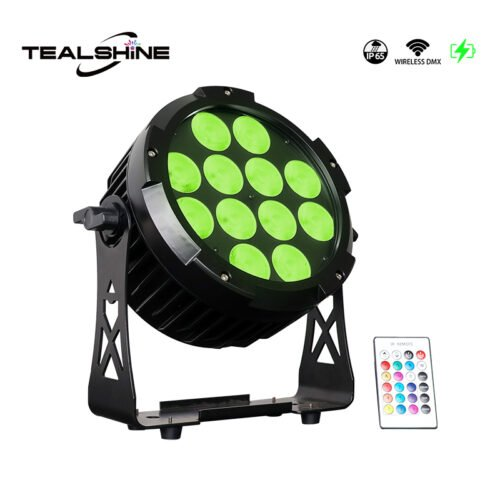
Battery uplighting typically takes 1–2 minutes per fixture to place and power on, meaning a 20-fixture reception setup runs roughly 20–40 minutes for one person — a real advantage when load-in windows are tight, covered in more depth in our battery vs. wired uplighting comparison.
Confirm the load-in window directly with the venue’s day-of coordinator, not just the couple — many venues have a fixed vendor arrival time that doesn’t align with when decor or florals are being placed, and uplighting placement often depends on knowing where centerpieces, drapery, and furniture will actually sit. Walk the room at the same time of day the event will run, if possible, since natural light through windows changes how a color wash reads between afternoon and evening.
Matching Uplighting to Season and Time of Day
A reception starting at 4pm in June has hours of natural light competing with uplighting before dusk; the same reception at 6pm in December starts in near-darkness. Plan the wash’s visual impact around when guests will actually notice it, not just when fixtures get switched on.
For daylight-heavy summer receptions, uplighting mostly serves as a subtle accent until the sun sets — don’t over-invest in a dramatic color that won’t read clearly until later in the event. For winter or evening-only events, the wash becomes the primary source of ambient color in every photo from the start, which raises the stakes on getting the color and placement right the first time, since there’s no golden-hour transition to mask early mistakes.
Working Within Venue Restrictions
Many venues — particularly hotels, historic buildings, and country clubs — maintain a preferred or exclusive vendor list, insurance requirements, or specific restrictions on where fixtures can be placed relative to fire exits and walkways. Confirm these details during the venue walkthrough, not on load-in day, since a restriction discovered at setup can force a last-minute layout change that compromises the planned coverage.
Cable-related restrictions rarely apply to battery uplighting, but placement restrictions still can — some venues limit where floor fixtures may sit relative to dance floors, fire exits, or historic flooring. Ask specifically about uplighting placement, not just general vendor policy, since many venue contracts don’t address it explicitly until asked.
Budgeting for Wedding Uplighting
Three factors drive cost more than fixture count alone:
- Rental vs. purchase — a one-time wedding almost always favors renting through a planner or production company; a venue or planner running weddings weekly benefits from owning inventory outright.
- Setup complexity — a straightforward perimeter wash costs less in labor than a custom layout requiring careful color matching, gobo work, or synced chase effects.
- Fixture count vs. room size — oversizing a fixture count for a small room wastes budget on overlap that adds nothing visually beyond a certain point.
DIY Rental vs. Hiring a Lighting Vendor
| DIY Rental | Full-Service Vendor | |
| Setup labor | Couple, planner, or wedding party places fixtures | Included, handled by trained crew |
| Color/placement planning | Self-directed, higher risk of mismatched palette | Planned in advance, usually with a site walkthrough |
| Best for | Small, simple setups with a hands-on couple or planner | Larger receptions, tight timelines, or venues with strict placement rules |
| Cost driver | Fixture rental fee only | Fixture rental plus labor and design time |
The setup-time math from our battery vs. wired comparison applies directly here — at roughly 1–2 minutes per fixture, a DIY 20-fixture setup is realistic for a planner or wedding party member to handle without professional help, which is part of why battery fixtures dominate this specific use case over wired alternatives.
Common Mistakes That Show Up in Wedding Photos
- Oversaturated color washing out skin tones — a deep red, purple, or magenta wash looks dramatic in person but tints every photo taken against it, often in a way that’s difficult to correct afterward. Test any bold color against the actual room and against sample photos before committing to it for the full reception.
- Fixtures placed directly behind the head table — creates a hot, overexposed background in every formal photo taken there, since the camera exposes for faces while the wall behind blows out. Angle fixtures from the sides instead of straight-on for that specific wall.
- Mixed color temperatures across the room — reads as visually inconsistent even when each fixture looks correct individually, and it’s one of the most common issues when combining rental inventory from more than one source. Confirm every fixture’s white point matches before the event, not just its nominal color name.
- Fixtures aimed into guest sightlines — particularly at a ceremony aisle, where an uplight aimed too high shines directly into seated guests’ eyes rather than accenting the structure behind them. Walk the seating area at the fixture’s actual height before finalizing aim angle.
A Sample Setup: 150-Guest Reception Walkthrough
A typical medium ballroom for 150 guests, roughly 200 feet of usable perimeter wall: 20 fixtures spaced at roughly 10-foot intervals along the walls, all set to a consistent 2700K warm white or a single agreed accent color. Two additional fixtures placed at the head table backdrop, angled from the sides rather than directly behind the table to avoid a hot spot in formal photos. Four fixtures along the dance floor edge on a separate, slightly cooler accent tone to visually differentiate that zone once dancing starts.
Total: 26 fixtures, placed and powered on in roughly 45–55 minutes by a two-person crew, with the ceremony space (if in the same venue) handled separately with its own 6–10 fixture count on the arch and aisle.
Frequently Asked Questions
How many uplights do I need for a 150-person wedding?
Roughly 16–24 fixtures for the reception space alone, spaced along the room’s perimeter walls, plus a separate smaller count for the ceremony space if it’s a different area.
What color uplighting looks best in wedding photos?
Warm white in the 2700K–3000K range is the safest default for skin tone accuracy. Bold or saturated colors can look striking in person but often shift the color cast across every photo taken against that backdrop — test before committing.
Can battery powered uplighting run for a full wedding day without recharging?
Most professional fixtures run 8–15 hours at full brightness, which covers a typical ceremony-through-reception timeline. For an unusually long day, confirm the specific fixture’s runtime rating against the full schedule in advance.
Should uplighting color match the bridesmaid dresses or the florals?
Florals generally make the safer reference point, since they’re usually more visually central in photos than the uplighting itself. Matching to dress color can work, but confirm the fabric’s actual color under warm uplighting first — some fabrics shift more noticeably under colored light than florals do.
Final Thoughts
Wedding battery powered uplighting comes down to three decisions done right: enough fixtures to read as a full wash without overlap waste, a color that photographs accurately rather than just looking good to the eye in the room, and placement that avoids hot spots in the photos that actually get looked at for decades afterward.
Browse Tealshine’s battery powered uplighting range to plan fixture count and color options for your next event.