
Introduction to LED Lights Bars
LED effect bars represent a pivotal advancement in stage lighting technology, playing a significant role in live performances and stage design. These innovative tools consist of a series of LED lights that can produce an extensive range of colors and effects, making them an essential component in modern entertainment setups. The versatility and creative potential these lights offer allow designers to create captivating visual experiences that enhance the overall atmosphere of a performance.
Historically, stage lighting relied heavily on traditional incandescent and halogen fixtures, which, while effective, often lack the flexibility and energy efficiency that LED technology brings. The evolution of LED effect bars has transformed the industry, providing lighting designers with more options than ever before. As we move into 2026, the advancements in LED technology have further refined these products, resulting in increased brightness, wider color spectrums, and improved control systems. These developments have made LED effect bars a staple in venues from small clubs to large arenas.
In addition to their aesthetic benefits, LED effect bars are also more sustainable. They consume significantly less power than their predecessors, reducing overall energy costs and minimizing environmental impacts. This shift towards eco-conscious lighting solutions is becoming increasingly important as the entertainment industry seeks to adopt more sustainable practices. As a result, LED effect bars not only enhance the visual dynamics of a performance but also contribute to a greener future for live entertainment.
The significance of LED effect bars in stage design extends beyond mere illumination; they provide an opportunity for artistic expression and audience engagement. By employing these lights in creative ways, performers can create memorable experiences that resonate with their audiences, marking a critical evolution in how live performances are experienced in the modern era.
Benefits of Using LED Bars
In the realm of stage lighting, LED effect bars have gained significant traction due to their myriad advantages over traditional lighting solutions. One of the primary benefits of employing LED effect bars is their energy efficiency. These lighting fixtures consume considerably less power than conventional incandescent or halogen bulbs, leading to lower electricity bills and a reduced carbon footprint. This capability allows event planners and venue managers to optimize their budgets while also adhering to sustainability practices.
Furthermore, LED effect bars are renowned for their versatility in design. These lighting tools can be arranged in various configurations, illuminating any stage layout with ease. Their modular nature enables users to customize the setup according to specific event themes or aesthetic preferences. In addition, many LED effect bars come equipped with advanced features, such as adjustable color temperatures and programmable lighting sequences. This enhances the overall design possibilities, allowing stage designers to create immersive environments tailored to the entertainment being showcased.
The quality of lighting effects produced by LED effect bars further elevates the audience experience. With the ability to emit vibrant colors and smooth transitions, these fixtures can significantly impact the mood and atmosphere of a performance. Whether it’s a concert, theater production, or corporate event, the dynamic lighting generated by LED effect bars captivates audiences and enhances engagement. The precise control over lighting allows for synchronization with music and stage actions, thus producing a cohesive visual narrative that enriches the overall experience.
In summation, incorporating LED effect bars into stage setups not only connotes energy efficiency and design flexibility but also greatly contributes to the quality of lighting effects. Embracing this technology reflects a modern approach to stage design that prioritizes both functionality and the enhancement of audience enjoyment.
Types of LED Bar Lights Available in 2026
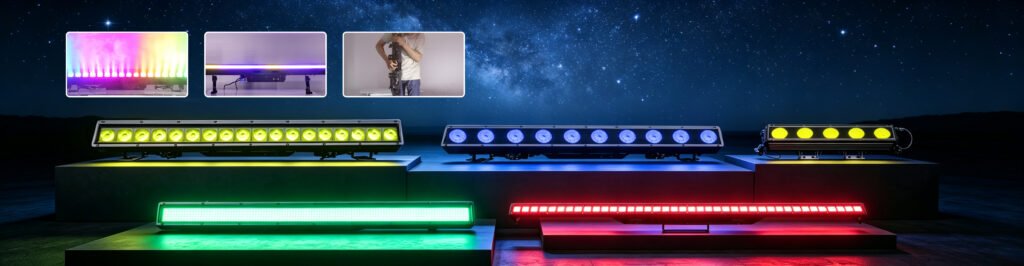
In 2026, the market for LED effect bars has expanded significantly, offering a diverse range of products tailored to various performance needs. Among the most prominent types are the RGB LED effect bars, which utilize red, green, and blue diodes to produce a vast spectrum of colors. These bars are popular for their versatility, often employed in concerts, theater productions, and DJ events. By combining different intensities of each color, users can create dynamic lighting effects that enhance the atmosphere of any performance.
Another type gaining traction is the pixel-mapped LED effect bar. These bars feature individual LED control, allowing for the creation of intricate patterns and animations. This capability makes them ideal for high-impact visual shows, where each bar can act as an individual pixel in a larger display. This technology is particularly effective in stage performances and corporate events, where visual storytelling is complemented by synchronized lighting.
Additionally, battery-operated LED effect bars are becoming increasingly popular, owing to their portability and ease of use. These lights can operate without reliance on a power outlet, making them suitable for outdoor events and venues with limited setup options. Furthermore, many of these models are equipped with built-in programs and can be controlled remotely, allowing performers to focus on their act rather than lighting intricacies.
Lastly, smart LED effect bars are entering the stage lighting scene, featuring wireless connectivity and compatibility with various control protocols. This innovation allows for real-time adjustments to lighting effects, ensuring they can adapt seamlessly to the performance’s mood and tempo. The integration of smart technology into these bars represents a significant advancement in stage lighting, catering to a tech-savvy clientele.
Choosing the Right LED Lights for Your Stage
Selecting the appropriate LED effect bar for your stage is crucial to ensure the lighting complements the performance while enhancing the overall atmosphere. Several factors come into play when making this decision. The first consideration should be the size of your stage. A larger stage typically requires LED effect bars that offer broader coverage and higher output, allowing for greater visibility and effect dispersion. Conversely, smaller stages may benefit from compact, lower-output bars that easily fit into limited spaces without overwhelming the audience.
Type of performance is another key determinant in selection. For concerts or theatrical productions that demand dynamic lighting, look for LED effect bars with a variety of effects and color options. Many modern units feature adjustable brightness levels, color mixing capabilities, and programmable controls, enabling you to create intricate light shows that resonate with the audience. If the performance relies heavily on specific colors or themes, investing in RGB or RGBA LED effect bars can amplify the desired ambiance.
Furthermore, budget considerations must be factored into the equation. LED effect bars vary significantly in price, ranging from economical options suited for smaller productions to premium models that boast advanced features and superior performance. It’s essential to evaluate the intended use of the LED bars—whether for one-time events or as part of a long-term investment in your lighting arsenal. Often, purchasing multiple cost-effective units may provide the same impact as a single high-end bar, allowing for flexibility in creative designs.
In summary, selecting the right LED effect bar involves evaluating your stage size, performance type, desired effects, and budget constraints. Careful consideration of these factors can lead to the optimal choice that enhances your stage’s visual appeal and contributes significantly to the audience’s experience.
Designing Your Stage Layout with Lights Bars LED
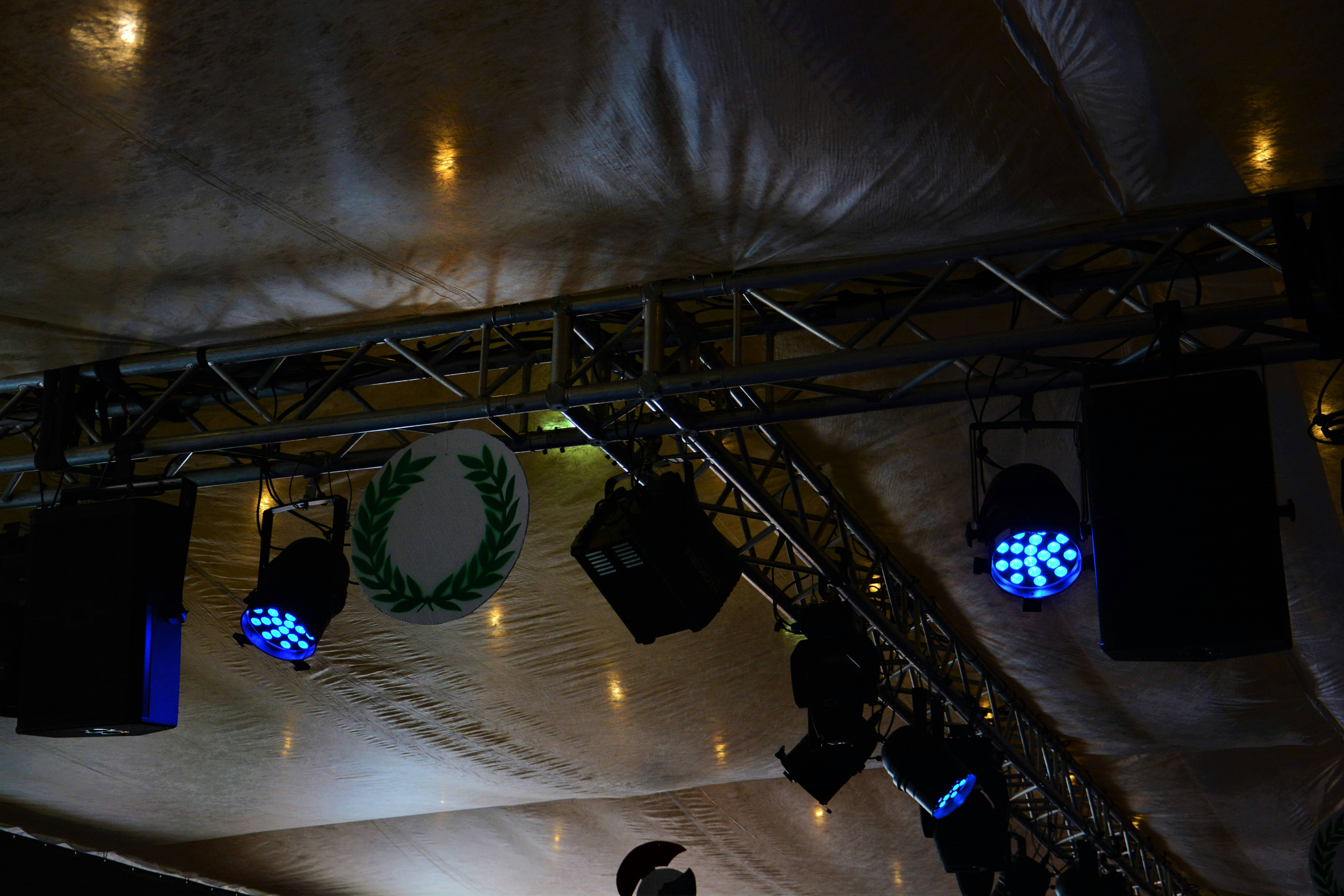
Integrating LED effect bars into your stage design requires careful consideration to enhance the overall visual experience while maintaining functional dynamics. The first step is to establish a thoughtful positioning strategy. LED effect bars can be installed along the periphery of the stage, above the performers, or behind them, creating striking visual impacts and highlights. Positioning them at various angles ensures that the light interacts well with the audience and performers alike, amplifying the energy of the performance.
Balancing the use of LED effect bars with other stage elements is crucial for a cohesive design. The interaction between different lighting sources, such as spotlights and ambient light, must be finely tuned. This synergy can prevent certain areas from being washed out or becoming visually cluttered. Utilizing dimmable LED effect bars can help achieve the desired intensity and balance across the stage, allowing for scene transitions that maintain audience engagement without overwhelming them.
Additionally, safety standards must not be overlooked when designing your stage layout. Adequate spacing around LED effect bars should be maintained, preventing potential hazards related to overheating or electrical issues. Secure mounting is essential, especially in dynamic environments where the performance may involve movement or physical interaction near the lights. Furthermore, incorporating a backup power supply or emergency cut-off switch will provide additional safety assurances for both performers and crew members in case of unforeseen malfunctions.
In summary, an effective stage design with LED effect bars hinges on thoughtful placement, harmony with existing lighting, and a steadfast commitment to safety protocols. By adhering to these best practices, you can craft a visually captivating and secure environment that enhances the overall performance.
Programming and Controlling LED Lighting Bars
In 2026, the landscape for programming and controlling LED effect bars has become increasingly advanced, offering a variety of software solutions that cater to both professional light designers and hobbyists. While traditional lighting controls remain effective, innovative tools have emerged that facilitate greater creativity and efficiency. Applications such as DMX control software provide extensive options for programming, allowing users to customize complex light sequences that can be synchronized to music or other performance elements.
One of the most popular programming software options in 2026 is LightShifter Pro. This software suite stands out due to its user-friendly interface and extensive capabilities. Users can easily design lighting scenes by dragging and dropping effects into a timeline, making it accessible even to those who may not have extensive technical knowledge. Features such as pre-designed templates and customizable effects allow for rapid creation of immersive lighting experiences that can enhance any stage performance.
Remote control functionality has also seen significant evolution. Many LED effect bars now integrate seamlessly with mobile applications, providing users the flexibility to control settings from a distance. This allows lighting technicians to make real-time adjustments during performances, ensuring the lighting remains in sync with the unfolding event. Moreover, advanced features such as auto-bridging and wireless communication further enhance the convenience of using these systems.
To create captivating lighting sequences, it’s vital to consider elements such as color transitions, timing, and intensity variations. Utilizing color palettes that resonate with the mood and theme of the performance can significantly enhance audience engagement. Moreover, training in fundamental programming concepts, combined with experimentation, allows users to develop their unique lighting styles, taking full advantage of the features offered by modern LED effect bars.
Maintenance and Troubleshooting of LED Lights Bars
Maintaining LED effect bars is essential to ensure their longevity and optimal performance in various stage settings. Regular maintenance can prevent common issues and enhance the overall reliability of these lighting tools. One vital aspect of maintenance is cleaning. Dust, dirt, and grime can accumulate on the lenses and housings of LED effect bars, potentially diminishing light output and color quality. Use a soft, lint-free cloth dampened with a mild cleaning solution to gently wipe the surfaces. Avoid any harsh chemicals that might damage the materials or affect the LED lights.
Another critical factor is to check connectivity and cabling regularly. Inspect all cables for frays and ensure connections are secure to avoid operational disruptions. Use high-quality cables designed for stage lighting, as substandard cables can lead to power loss or signal interference.
In terms of troubleshooting, various common issues might arise with LED effect bars. One prevalent problem is flickering lights. This issue may stem from inadequate power supply or faulty connections. Ensuring that the LED effect bar is receiving a stable power supply is crucial, and users should check the source voltage. If the issue persists, testing with different power cables or seeking professional repair services might be necessary.
Heat management is another critical aspect; LED effect bars are designed to handle specific temperature ranges. Overheating can lead to malfunction or permanent damage. Ensure proper ventilation around the bars and avoid covering them during operation. In case of any unusual performance—such as erratic behavior or dark spots on the output—consider consulting the manufacturer’s troubleshooting guide or contacting a technician for assistance.
Case Studies of Successful Lighting Bars Implementations
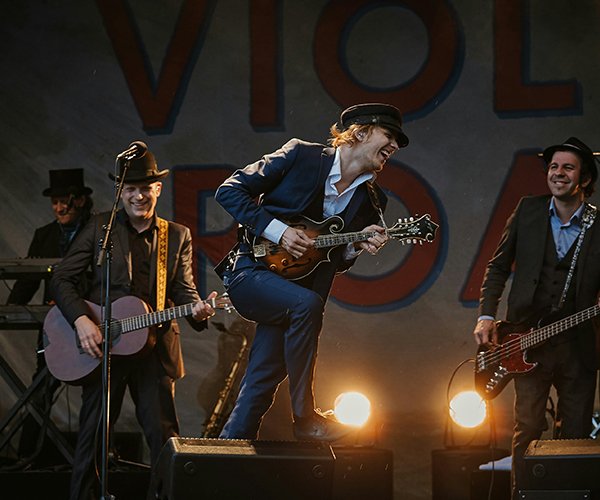
In recent years, LED effect bars have revolutionized stage lighting, showcasing their versatility across various events and concerts. One compelling case study is the use of LED effect bars during the 2025 Summer Music Festival. The festival featured a diverse lineup of artists, and the seamless integration of LED effect bars greatly enhanced the visual experience. The lighting design team employed the bars to create dynamic backdrops and effective transitions between performances, resulting in a significant increase in audience engagement. Spectators reported feeling more immersed in the performances due to the captivating LED light displays that complemented the musical acts.
Another noteworthy example comes from a corporate event held by a prominent global brand. Here, LED effect bars were utilized to transform a traditional ballroom into a vibrant environment that echoed the brand’s innovative spirit. The lighting design incorporated various effects, including color washes and strobe patterns, effectively highlighting product presentations while keeping the audience captivated. The enhancements led to a 40% increase in social media mentions and shares, demonstrating the profound impact that lighting can have on audience interaction and the overall success of an event.
In the realm of theater, a notable implementation was observed in the production of a modern musical. The designers integrated LED effect bars to create mood changes that aligned with the storyline, using lighting to evoke emotions among the audience. Each scene benefited from carefully timed LED lighting effects, which not only enhanced the narrative but also contributed to a more immersive experience. Feedback from attendees indicated that the lighting was a primary factor in their enjoyment of the show, emphasizing the importance of innovative stage lighting in theatrical productions.
These case studies exemplify how LED effect bars can elevate the quality of stage production across various settings. By enhancing audience engagement through creative lighting solutions, many events and performances have successfully harnessed the potential of LED technology.
Future Trends in LED Lighting Bar for Stage Design
As we move beyond 2026, the realm of LED lighting for stage design is poised to undergo significant transformation. One of the most prominent trends expected is an advancement in the integration of sustainable technology. The push for eco-friendly solutions in the entertainment industry is strong, and LED lights already provide considerable energy efficiency. There is a growing expectation that future LED technologies will further optimize energy usage, with innovations that harness renewable energy sources and improve recycling practices for discarded lighting units.
Additionally, the design landscape is likely to be enhanced by the development of more versatile LED effect bars. These advanced units will enable stage designers to create immersive environments, blending visual art and technology seamlessly. With innovations aimed at achieving smaller, lighter, and more flexible units, designs will permit more creativity on stage. This flexibility will empower designers to experiment with new shapes and designs that move away from traditional rectangular formats, leading to dynamic stage setups that evolve throughout performances.
Interactivity is another crucial area where LED lighting will expand. With advancements in control systems, audience interaction with lighting displays will become increasingly commonplace. Future stage productions may utilize wearable technology and app-based interfaces that allow audience members to influence lighting effects, thereby creating a participatory experience. This trend reflects a broader shift in entertainment towards engagement, engaging viewers beyond just passive observation.
In summary, the anticipated trends in LED lighting technology emphasize sustainability, versatility, and interactivity. As stage designers embrace these advancements, the future of stage design will be defined by innovative practices that align contemporary artistic expression with forward-thinking technology.