
Introduction to Stage Lighting Technology
Stage light technology has undergone remarkable transformations over the centuries, evolving from simple oil lamps and candles used in ancient theaters to today’s sophisticated LED systems and automated lighting rigs. This evolution reflects not just technological advancements but also a broader understanding of how lighting can enhance theatrical performances and significantly influence audience experience.
Traditionally, stage lighting was quite limited, depending heavily on natural daylight or rudimentary artificial sources. The introduction of electric light in the late 19th century marked a significant turning point. This new capability allowed for more dynamic control over lighting intensity and color, facilitating a richer palette for artistic expression. As electric lighting became the standard, theatre designers began to explore various lighting techniques that could evoke specific moods or highlight performances, thereby laying the groundwork for modern stage lighting practices.
In the last few decades, particularly with the advent of digital technologies, stage lighting has become increasingly innovative. The integration of computer-controlled systems has allowed for unprecedented flexibility and precision. Lighting designers can now program intricate light sequences, automate changes during performances, and create eye-catching effects that were once deemed impossible. Current trends showcase the use of energy-efficient LED fixtures which not only reduce operational costs but also open new avenues in color mixing and dynamic lighting landscapes.
It is essential to acknowledge that lighting serves not merely as a practical tool; rather, it plays a pivotal role in storytelling. The right lighting design can augment emotional impact, guide audience focus, and even transport viewers into different eras or locations. The continuing evolution of stage lighting technology underpins its critical significance in modern performances, as we explore the latest trends that are shaping the future of theatrical productions.
Emergence of LED Stage Lighting Technology
In recent years, there has been a significant shift towards the adoption of LED (Light Emitting Diode) technology within the stage lighting sector. Traditionally, stage lighting relied heavily on incandescent and halogen bulbs, which, while effective, have certain limitations that LED technology effectively addresses. One of the primary advantages of LED lights is their energy efficiency. Compared to traditional bulbs, LEDs consume significantly less electricity, translating to lower operational costs for productions. This is particularly pertinent in large venues where lighting can account for a major portion of energy expenses.
In addition to energy efficiency, the longevity of LED fixtures stands out. LED lights boast an operational lifespan of over 25,000 hours, significantly outpacing that of their incandescent counterparts, which generally last around 1,000 hours. This extended durability not only reduces maintenance costs but also enhances the reliability of lighting during performances, a critical factor for theater and concert productions.
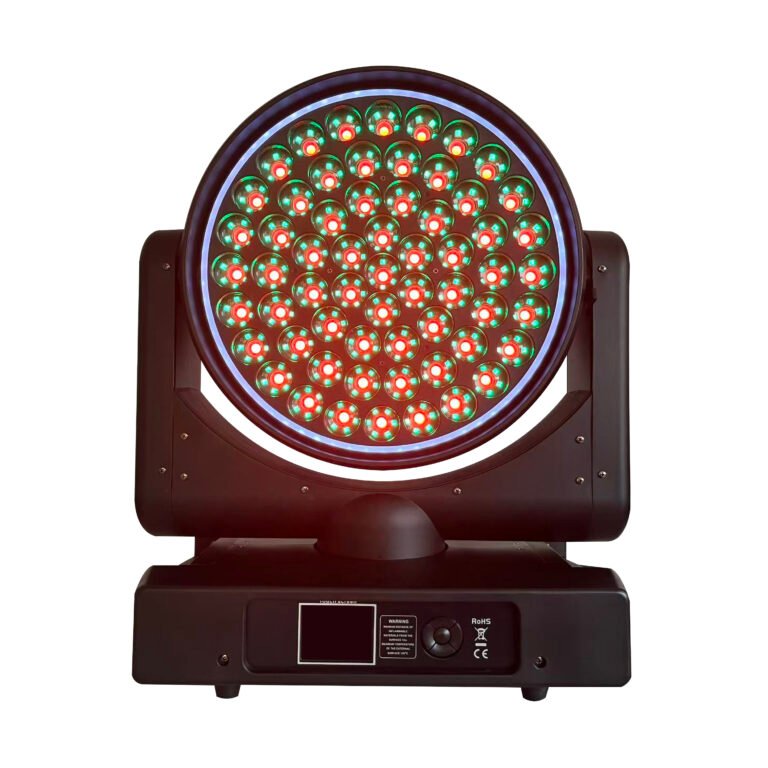
Moreover, the versatility of LED technology has transformed the design landscape for stage lighting. With the ability to produce a vast range of colors and effects, LEDs enable creative directors and lighting designers to explore innovative and dynamic visual experiences that were not possible with traditional lighting. The compact size and directional quality of LED fixtures allow for greater flexibility in placement and use, making them suitable for a variety of setups, from intimate theater stages to expansive concert arenas.
In summary, the emergence of LED technology in the stage lighting industry reflects a pivotal advancement, characterized by energy efficiency, longevity, and versatility that has far-reaching implications for how productions are designed and executed. As the trend toward LED continues, its impact on stage lighting will undoubtedly shape the future of performance art.
Smart LED Lighting Solutions
The advent of smart lighting solutions has significantly transformed the stage lighting industry, merging automation with advanced technology to create innovative and dynamic environments for performances. These solutions harness the power of automation, allowing operators to control lighting systems remotely and with precision. This flexibility is instrumental in adapting to various stage scenarios, enhancing the visual narrative of events and performances.
One of the pivotal components of smart lighting is its integration with other digital technologies, fostering an ecosystem where lights can interact seamlessly with sound systems, video projections, and even performers’ movements. This integration is often facilitated through protocols such as DMX (Digital Multiplex), which enables centralized control over multiple lighting fixtures, providing technologies that streamline lighting design and operation. By synchronizing lighting cues with audio and visual elements, stage environments achieve a heightened level of professionalism and artistry.
Wireless technology has further propelled the evolution of smart lighting solutions. The ability to install and operate lighting fixtures without the constraints of physical cables introduces flexibility in stage design and configurations. Wireless DMX systems allow for easy transitions and adjustments during live performances, thereby empowering lighting designers to create more engaging experiences for audiences. The precision and convenience of these systems enable the creation of intricate light shows that can be easily modified in response to audience reactions or performative needs.
Moreover, the rise of smart lighting has led to energy-efficient practices through LED technologies, benefiting both the environment and production budgets. By utilizing intelligent lighting systems, stage designers can not only enhance the artistic dimension of performances but also embrace sustainable practices that align with current environmental standards.
Advancements in Control Systems
The evolution of lighting control systems has dramatically transformed the landscape of stage lighting, enabling lighting designers to craft intricate designs with unprecedented precision. The advancements in both software and hardware components of these systems have paved the way for more complex programming capabilities that were previously unimaginable. Modern control systems are characterized by their ability to interface seamlessly with a variety of lighting fixtures, incorporating advanced protocols such as DMX512 and sACN, which facilitate better communication and synchronization.
One of the key developments in lighting control systems is the introduction of intuitive software applications that cater to both novice and experienced lighting designers. These applications often feature user-friendly interfaces, complete with drag-and-drop functionalities, which simplify the programming process. Such ease of use has empowered lighting professionals to execute elaborate designs without requiring extensive technical knowledge. Moreover, many control systems now offer pre-programmed effects and templates, enabling quick modifications and reducing the time spent on setup and programming.
Additionally, advancements in remote control technology and mobile applications are noteworthy. Designers can now operate lighting setups from their smartphones or tablets, greatly enhancing flexibility and reducing the need for complex physical setups in hard-to-reach locations. Wireless connectivity options have also improved, allowing for more streamlined setups, eliminating cumbersome cabling without sacrificing performance.
The integration of artificial intelligence and machine learning into lighting control systems stands to revolutionize the industry even further. These technologies can analyze previous lighting setups and automatically suggest optimizations, ensuring each performance is customized and reflective of the venue’s unique characteristics. As the trends in control systems continue to develop, the potential for innovation is vast, heralding a new era of creativity and efficiency in stage lighting design.
Sustainability and Eco-Friendly Stage Lighting LED Options
The stage lighting industry has recently witnessed a significant shift towards sustainability, driven by both environmental concerns and the evolving expectations of consumers and organizations. A growing number of manufacturers are prioritizing eco-friendly practices, recognizing that the production and operation of traditional lighting solutions can have detrimental effects on the environment. This trend is not merely a response to regulatory pressures but reflects a broader commitment to sustainable development across various sectors.
One major development is the move towards energy-efficient lighting technologies, such as LED systems. These lighting options consume considerably less power than conventional incandescent or halogen bulbs, reducing energy costs and overall consumption. In addition, LEDs have a longer lifespan, minimizing the frequency of replacements and thereby generating less electronic waste. Manufacturers are investing in research and development to further enhance the efficacy of sustainable lighting technologies, focusing on producing products that are both efficient and environmentally friendly.
Moreover, sustainability in stage lighting extends beyond energy consumption; it also encompasses the materials used in manufacturing lighting fixtures. Modern producers are increasingly exploring ways to incorporate recyclable, non-toxic materials into their products. This transition not only reduces the carbon footprint associated with production but also ensures that lighting solutions are safer for both technicians and performers. Furthermore, the demand for green lighting solutions is becoming more pronounced as event organizers and venues prioritize eco-conscious practices in their operations.
Ultimately, the adoption of sustainable and eco-friendly lighting options stands to benefit the industry as a whole. By prioritizing sustainability, manufacturers can create products that appeal to a conscientious market while contributing positively to environmental preservation. As awareness of these issues continues to grow, the integration of green technologies in stage lighting is likely to play an increasingly pivotal role in shaping the future of live performances.
Integration of Augmented Reality (AR) and Virtual Reality (VR)
The realm of stage lighting is rapidly evolving, particularly with the integration of Augmented Reality (AR) and Virtual Reality (VR) technologies. These advancements are revolutionizing the ways in which audiences experience performances, as they provide an immersive environment that transcends traditional lighting techniques. By employing AR and VR, creators can craft more engaging narratives and visually stunning spectacles that resonate with viewers on a deeper level.
One notable example of AR incorporation in stage lighting can be seen in the production of “The Lion King” in London’s West End, where the use of augmented reality elements enriched the storytelling. The characters interacted with virtual elements projected in real-time, creating a seamless blend between the live performance and digital enhancements. Similarly, VR has been employed in concerts to create an all-encompassing atmosphere that allows attendees to enjoy a three-dimensional visual experience, which drastically differs from conventional stage setups.
However, the integration of these technologies isn’t devoid of challenges. Technical difficulties often arise regarding the synchronization between live actors and digital projections, as any lag or misalignment can detract from the overall effect. Furthermore, substantial investment in equipment and expertise is necessary to ensure that AR and VR components can be effectively utilized without compromising the quality of the stage lighting itself. Moreover, ensuring that the audience fully engages with the augmented elements requires careful consideration of the surrounding environment and the spatial dynamics of the performance venue.
In summary, the incorporation of AR and VR into stage lighting presents exciting possibilities for creating immersive experiences, while also posing certain technical hurdles. As technology progresses, we can anticipate further advancements that will continue to enhance audience engagement in live performances.
The Role of Data and Analytics in Lighting LED Design
In recent years, data and analytics have emerged as pivotal elements in the field of lighting design. With the advancement of technology, lighting designers are now harnessing data-driven insights to make informed decisions that significantly enhance audience engagement. By employing various methods to collect and analyze data, designers are better equipped to understand audience preferences and adapt their lighting choices accordingly.
The integration of real-time analytics in lighting design enables designers to tailor their setups to the specific needs of different events or performances. For instance, by analyzing audience reactions, such as engagement levels from facial recognition software or interactive applications, lighting designers can adjust brightness, color temperatures, and even the timing of transitions in response to the crowd’s moods. This fluid interaction results in a more immersive and dynamic viewing experience.
Moreover, various technologies facilitate the collection of relevant data. Sensors, for example, can track movement and occupancy levels in a venue, providing designers with critical insights into how audiences interact with light. Additionally, user surveys and feedback channels are essential in gathering qualitative data regarding audience preferences and specific lighting effects that resonate best. Through careful analysis of this data, designers can create more tailored lighting experiences that not only capture the essence of the performance but also enhance audience satisfaction.
Ultimately, the role of data and analytics in lighting design signifies a shift towards a more audience-centric approach. As designers continue to embrace these innovations, it is evident that leveraging data will lead to a more engaged audience and a richer overall experience, where lighting serves not only as a functional element but as a key driver of audience connection and storytelling.
Innovative Stage Lighting Installations
In the realm of stage lighting, innovation continually reshapes how audiences experience performances. One exemplary case is the 2022 production of “Hamilton” at the Puerto Rico Performing Arts Center, where cutting-edge LED technology and digital lighting control systems were integrated. The use of RGBW LED fixtures enabled dynamic color mixing and enhanced the visual storytelling, creating a more immersive environment for viewers. Moreover, the real-time control through advanced software allowed the lighting design team to synchronize the lighting cues with the musical scores seamlessly, amplifying the emotional impact of key scenes.
Another notable example is the 2023 Coachella Music Festival, a benchmark in how technology can elevate stage lighting. The festival’s main stage featured a unique combination of automated moving heads and pixel-mapped LED screens, which effectively transformed the performance area into a vibrant light canvas. This integration allowed for synchronized visual effects that adapted to the performers’ actions, thereby creating an engaging atmosphere that captivated the audience. Furthermore, the use of augmented reality (AR) elements in conjunction with traditional lighting techniques pushed the boundaries, offering spectators a multi-dimensional viewing experience.
The Broadway production of “The Lion King” has also made waves by employing advanced projection mapping alongside traditional stage lighting. The innovative use of high-definition video projections has allowed the story to unfold in breathtaking ways, merging light and imagery to paint rich landscapes that transport the audience. Custom-built, automated fixtures ensured that light intensity was always optimal, matching the urgency of the narrative while also complementing the arc of the characters on stage. Such implementations demonstrate that the latest technology trends in stage lighting not only enhance visual aesthetics but also contribute significantly to storytelling in theatre and live performances.
Future Predictions in LED Stage Lighting Technology
As we look ahead into the realm of stage lighting technology, several intriguing trends emerge that promise to shape the future of this dynamic field. The rapid evolution of lighting systems suggests that we may witness a shift towards even greater integration of smart technologies. With the proliferation of IoT devices, it is anticipated that stage lighting will incorporate sophisticated control systems allowing for real-time adjustments based on environmental factors, audience interaction, and performance dynamics.
Moreover, the reliance on energy-efficient LED technology will likely deepen. As environmental concerns continue to escalate, manufacturers may focus on creating more sustainable lighting solutions that not only reduce energy consumption but also enhance the quality of light. This could lead to innovations that push the capabilities of LEDs further, enabling them to replicate a broader spectrum of colors and improve color rendering indexes, which are crucial for stage productions.
Another interesting avenue to explore revolves around the application of augmented reality (AR) and virtual reality (VR) in stage lighting. These technologies could allow designers to visualize lighting effects in a virtual space before implementation. By simulating various lighting scenarios in real-time, lighting designers would gain invaluable insights, facilitating a more creative and efficient design process. Such advancements may reshape the skill set required in the industry, demanding that lighting professionals become adept at using these cutting-edge tools.
While certain trends, such as traditional incandescent lighting, may gradually wane, the focus on customizable and dynamic lighting experiences is poised to grow. Ultimately, the future of stage lighting technology will hinge on a blend of sustainability, innovation, and interactivity, promising an exciting evolution that enhances the visual storytelling capabilities of live performances across various platforms.