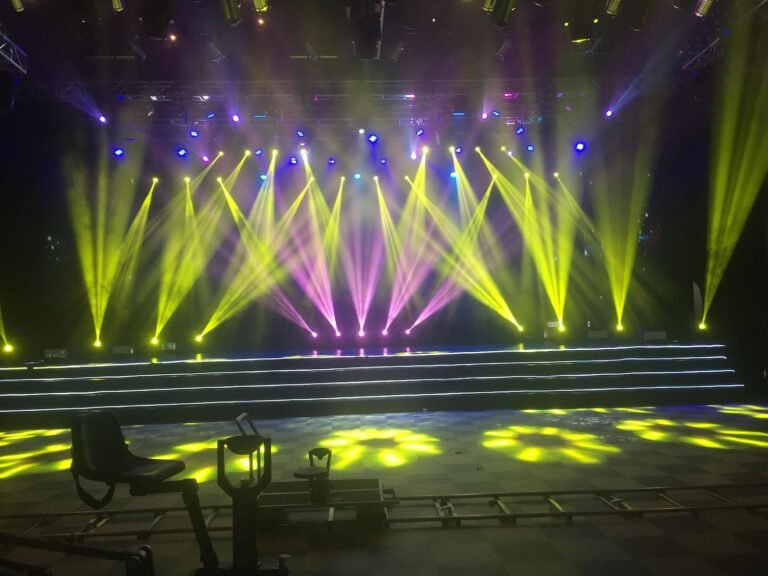
Professional High Quality Stage Lighting Manufacturer


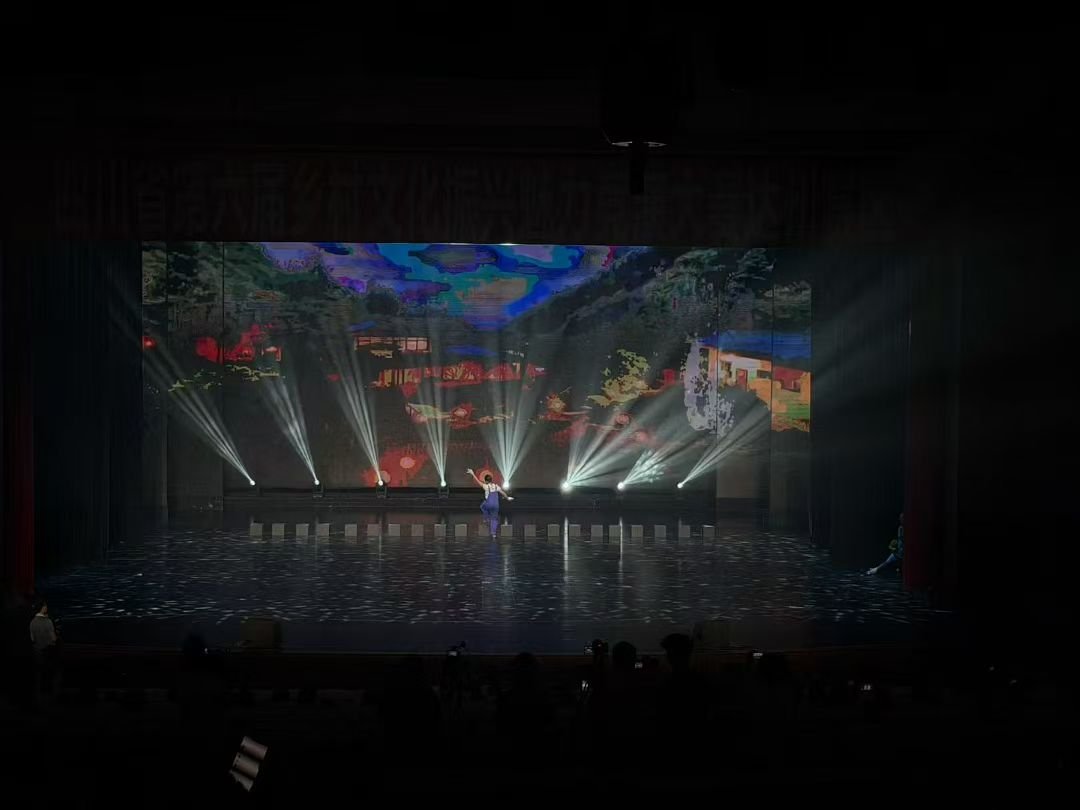
Stage spotlights work by taking light from an LED source, shaping it through an optical system, and directing the output toward a specific area, performer or surface. The final beam depends on the LED source, reflector, lens, beam angle, color system and control method used inside the fixture.
Modern stage lighting is no longer limited to a single type of spotlight. Beam moving heads, PAR lights, wash fixtures, LED bars and other LED stage lights can all create focused or controlled lighting effects, but they are designed for different jobs.
This guide explains how spotlights work, what happens inside a stage spotlight, how beam angle changes the result, and how different types of stage lighting are used for concerts, theaters, weddings, events and other productions.
Quick Answer: How Do Spotlights Work?
A stage spotlight works by converting electrical power into light through an LED source and then using optical components to control where that light goes.
The basic process is:
- The LED source generates light.
- A reflector and optical system collect and shape the light.
- The lens controls the spread and beam angle.
- The color system changes the color or color temperature.
- The fixture’s control system adjusts brightness, color and effects.
- DMX or another control protocol allows the light to work with the rest of the lighting system.
The result is not simply a brighter light. The optical design determines whether the fixture produces a narrow beam, a medium wash or a wider area of illumination.
Table of Contents
- How Do Spotlights Work?
- What Components Are Inside a Stage Spotlight?
- What Are the Main Types of Stage Spotlights?
- Why Does Beam Angle Matter?
- Where Are Stage Spotlights Usually Placed?
- How Does DMX Control a Spotlight?
- Spotlight vs. Moving Head: What Is the Difference?
- How Do You Choose the Right Stage Spotlight?
- Common Stage Spotlight Problems
- Can Stage Spotlights Be Customized?
- FAQ About Stage Spotlights
How Do Spotlights Work?
A spotlight is designed to put light where it is needed instead of spreading the output evenly in every direction.
Inside a modern LED spotlight, the light source sits behind an optical system. The optical components collect the light and shape it into a controlled beam. Depending on the fixture, the beam can be narrow and concentrated, medium-width for stage coverage, or wide enough to wash a larger surface.
This is why two fixtures with similar LED power can produce very different lighting results. Output power matters, but the optical design, beam angle, fixture distance and illuminated area matter just as much.
For stage lighting, the fixture is usually selected according to the job it needs to perform. A narrow beam may be used to create a strong visual effect over a long distance, while a PAR fixture may be used to provide stable color coverage across performers or scenery.
What Components Are Inside a Stage Spotlight?
1. LED Light Source
The LED is the starting point of the lighting system. Modern stage fixtures can use different LED configurations depending on the required color range and output.
RGB LEDs are commonly used for saturated color effects, while RGBW, RGBWA and RGBWA+UV configurations can provide additional control over white light, warm colors and special effects.
2. Reflector
The reflector helps collect and redirect light from the LED source. Its shape and position affect how efficiently light is sent toward the optical system.
A well-designed reflector can help produce a more controlled beam and reduce unwanted light loss.
3. Lens and Optical System
The lens is one of the most important parts of a spotlight because it determines how the light is distributed.
Different lens designs can create different beam angles. A narrow optical system concentrates light into a smaller area, while a wider optical system spreads the same general output across a larger area.
For professional lighting projects, optical customization can therefore be just as important as LED wattage.
Learn more about stage lighting optical customization.
4. Heat Management
LED fixtures still generate heat, particularly high-output stage lights. The housing, heat sink and cooling system need to move heat away from the LED and electronic components.
Good thermal management helps maintain stable performance during long shows and repeated operation.
5. Control System
The control system manages brightness, color, strobe effects, movement and other functions depending on the fixture.
Professional stage lighting commonly uses DMX512 so multiple fixtures can be programmed and controlled from the same lighting console.
What Are the Main Types of Stage Spotlights?
There is no single fixture that covers every spotlight application. Different stage lights are designed around different optical and mechanical requirements.
Beam Moving Head Lights
Beam moving heads produce a narrow, concentrated beam that can be moved around the stage using motorized pan and tilt systems.
They are commonly used for concerts, clubs and live events where moving beams are part of the visual design.
For projects that need a strong beam effect rather than a broad wash, a beam moving head is often a more suitable choice than a fixed PAR fixture.
Explore Tealshine Moving Head Lights.
PAR Can Lights
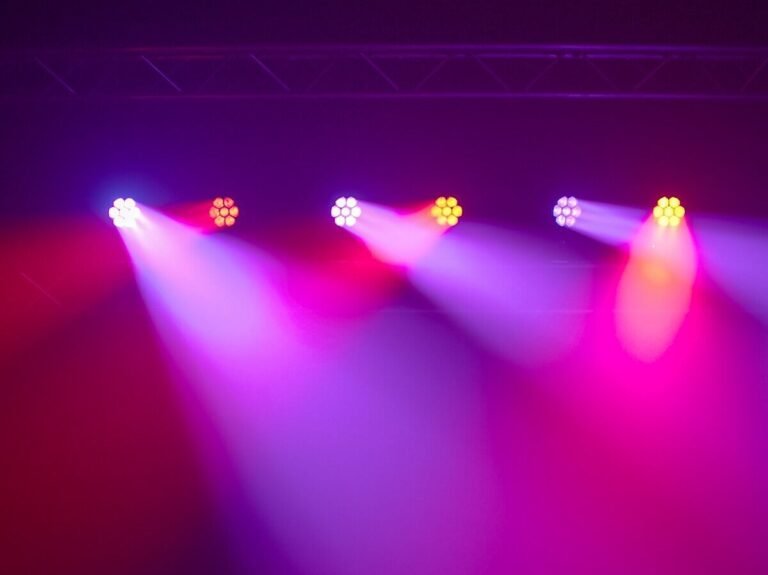
PAR lights are generally used for directional illumination and wash lighting. They are useful for front light, side light, backlight, stage color and general area illumination.
Compared with moving heads, PAR lights are normally fixed in position. Their strength is consistent and repeatable coverage rather than mechanical movement.
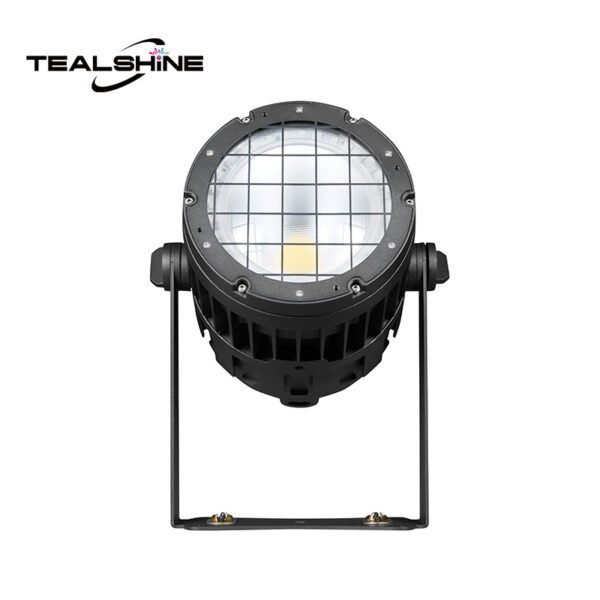

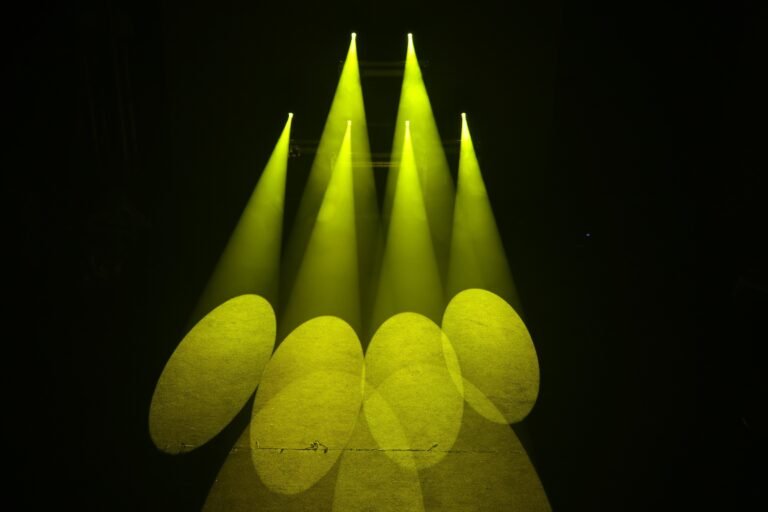
These two fixtures show why wattage alone does not tell you how a stage light will behave. The optical system and beam angle have a direct effect on the coverage produced by the fixture.
Wash Moving Head Lights
Wash moving heads are designed to provide broad, movable illumination rather than a highly concentrated beam.
They are useful when the lighting designer needs to cover performers, scenery or large stage areas while still being able to change the direction of the light during the show.
LED Light Bars
LED bars use a linear arrangement of LEDs rather than a single circular light source. This makes them useful for stage edges, backdrops, truss structures and long surfaces where a linear lighting effect is required.
LED Strobe Lights
Strobe fixtures are designed around rapid changes in light output rather than continuous wash coverage. They are commonly used for dynamic effects during concerts, DJ performances and other live productions.
Why Does Beam Angle Matter?
Beam angle describes how widely light spreads from the fixture. It is one of the most important specifications when choosing a stage spotlight or PAR light.
| Beam Type | Typical Result | Common Application |
|---|---|---|
| Narrow | More concentrated beam | Longer throw, beam effects and focused lighting |
| Medium | Balanced coverage | Stage wash and general event lighting |
| Wide | Broader coverage | Wall washing and short-distance area lighting |
A narrow beam does not automatically mean a better fixture. It simply means the light is concentrated into a smaller area.
If the fixture is close to the stage and the goal is to cover a large area, a wider beam may be more practical. If the fixture is far away and needs to reach a specific area, a narrower beam can make better use of the available output.
Tealshine’s optical customization options include different PAR beam angles and specialized optical configurations for different stage lighting requirements.
How Do Different Beam Angles Affect a Real Product?
The effect becomes easier to understand when looking at actual fixtures.
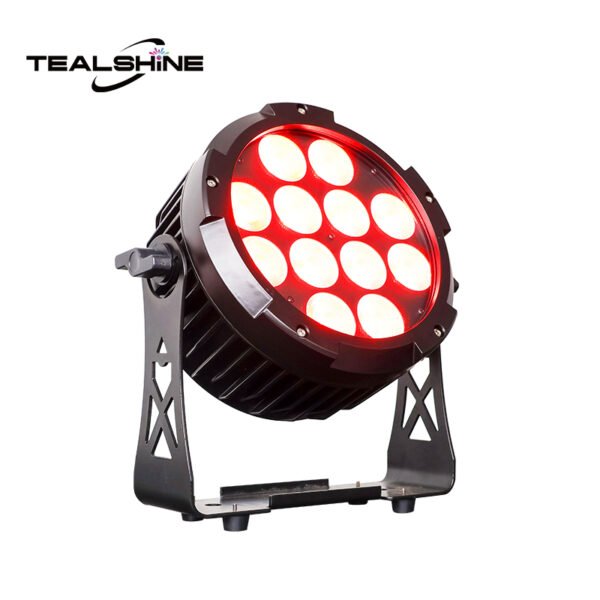
The narrowest setting concentrates the output more strongly, while the wider settings spread the light over a larger area. This type of flexibility can be useful for rental companies and event production teams that use the same fixture across different venues.
Where Are Stage Spotlights Usually Placed?
Fixture position changes the result almost as much as the fixture itself. The same spotlight can produce very different effects depending on its height, distance and angle.
Front Lighting
Front lighting is mainly used to make performers visible to the audience. The fixture is normally positioned in front of the stage and aimed toward the performance area.
Side Lighting
Side lighting can add shape and depth to performers. It is particularly useful in dance, theater and performance environments where body movement needs to remain visually clear.
Backlighting
Backlighting separates performers from the background and can create silhouettes, edge lighting and stronger stage depth.
Overhead Lighting
Overhead fixtures can provide general coverage or create controlled pools of light. Moving heads mounted above the stage can also change their direction during the show.
Backdrop and Architectural Lighting
PAR lights, LED bars and wall wash fixtures can be used to color backdrops, walls, set pieces and other surfaces.
How Does DMX Control a Spotlight?
DMX512 is one of the most common control systems used in professional stage lighting.
Instead of adjusting every fixture manually, a lighting console can send control data to multiple fixtures through a DMX network.
Depending on the fixture, DMX can control:
- Brightness
- Color
- Color temperature
- Strobe speed
- Pan and tilt
- Beam or zoom functions
- Preset effects
Wireless DMX and other wireless control methods can also be useful for battery-powered fixtures and temporary event installations where running signal cables would make setup more complicated.
Spotlight vs. Moving Head: What Is the Difference?
The terms can overlap, but they describe different aspects of a lighting fixture.
| Feature | Spotlight / Fixed Fixture | Moving Head |
|---|---|---|
| Position | Usually fixed | Motorized pan and tilt |
| Main purpose | Controlled illumination | Dynamic positioning and effects |
| Beam direction | Adjusted manually | Changed during operation |
| Typical examples | PAR Can, fixed LED spotlight | Beam, Spot or Wash Moving Head |
| Best suited for | Stable coverage | Dynamic stage shows |
In practice, professional lighting systems often combine both. Fixed PAR lights can provide the basic stage wash while moving heads create movement, beams and dynamic effects.
How Do You Choose the Right Stage Spotlight?
Start with the lighting job rather than the wattage.
1. Define the Application
A theater, concert, wedding, club and outdoor festival may require completely different fixture combinations.
2. Check the Throw Distance
Measure the distance between the fixture and the area you need to illuminate. This helps determine whether a narrow, medium or wide beam is appropriate.
3. Check the Required Coverage
Ask whether you need to light one performer, a small section of the stage, an entire backdrop or a large outdoor area.
4. Choose the Right LED Configuration
RGB, RGBW, RGBWA and RGBWA+UV configurations provide different color capabilities. The right choice depends on whether the project prioritizes saturated colors, white light, skin tones, special effects or a broader color range.
5. Check the IP Rating
For outdoor productions, festivals and temporary events, an appropriate IP rating should be included in the specification from the beginning.
6. Consider the Control System
Check DMX channels, RDM support, wireless control and compatibility with the existing lighting console before placing an order.
7. Think About the Entire Lighting System
A stage rarely uses one fixture type. A practical lighting system may combine PAR lights for wash, moving heads for movement, LED bars for linear effects and strobes for dynamic moments.
Which Spotlight Works Better for Different Events?
| Application | Common Lighting Choice | Main Requirement |
|---|---|---|
| Theater | PAR, wash and focused fixtures | Clear performer visibility and controlled coverage |
| Concert | Beam moving heads, PAR and strobes | Dynamic effects and strong visual movement |
| Wedding | PAR and battery-powered uplights | Flexible setup and decorative color coverage |
| Corporate Event | PAR, wash and LED bars | Clean and consistent stage illumination |
| Outdoor Event | IP-rated PAR, battery lights and moving heads | Weather protection and flexible deployment |
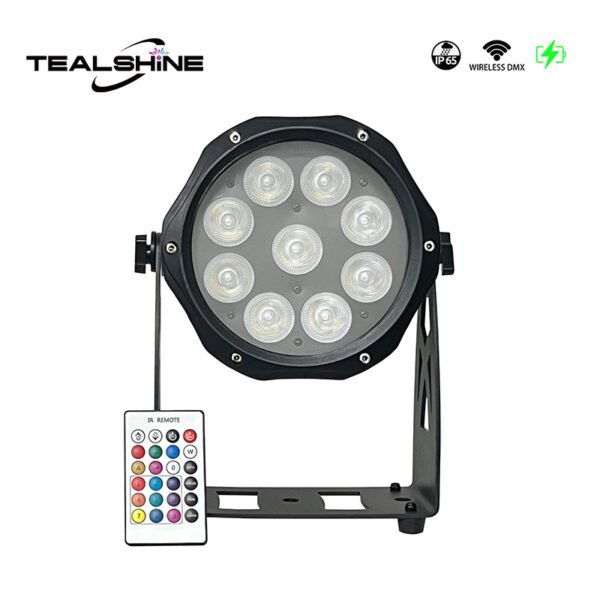
What Are Common Problems With Stage Spotlights?
Using the Wrong Beam Angle
A fixture with a very narrow beam may create a bright hotspot when used too close to the stage. A wide beam may lose too much intensity when the fixture is placed far away.
Ignoring Fixture Position
Even a high-output spotlight cannot compensate for poor placement. Before increasing fixture power, check the distance, angle and target area.
Using Too Many Effects
Color changes, strobes, movement and beam effects can all add visual interest, but using every effect at the same time can make the stage difficult to read.
Forgetting Outdoor Protection
Outdoor use requires more than a suitable LED source. Housing protection, connectors, power distribution and control connections also need to match the environment.
Not Testing the Full Lighting System
Individual fixtures may work correctly but still create problems when combined. Test the complete DMX system, fixture positions, beam coverage and scene transitions before the event.
Can Stage Spotlights Be Customized?
Yes. For distributors, rental companies and lighting project suppliers, stage lighting can be customized around the intended application rather than using a standard fixture without modification.
Depending on the project, customization may involve:
- LED configuration
- Optical system
- Beam angle
- Housing design
- Power supply
- Cooling structure
- DMX and control functions
- Firmware
- Private-label branding
- Packaging
For example, a distributor may require a specific LED color configuration and private-label housing, while a rental company may prioritize rugged construction, battery operation or outdoor protection.
Tealshine provides OEM/ODM stage lighting services covering optical design, hardware, power supply, software, branding and packaging.
FAQ About Stage Spotlights
How do spotlights work on a stage?
Stage spotlights use an LED light source together with reflectors, lenses and other optical components to create a controlled beam. The fixture can then direct that beam toward performers, scenery or other parts of the stage.
What is the difference between a spotlight and a floodlight?
A spotlight generally produces more controlled and concentrated illumination, while a floodlight is designed to cover a broader area. The exact result depends on the optical system and beam angle.
What beam angle is best for stage lighting?
There is no single best beam angle. Narrow beams are useful for concentrated or long-throw applications, while wider beams are more suitable for general wash and short-distance coverage.
Are LED spotlights suitable for outdoor events?
Yes, provided the fixture has an appropriate IP rating and the power, signal and installation requirements are also suitable for outdoor use.
Can spotlights be controlled by DMX?
Many professional stage lighting fixtures support DMX512. Depending on the fixture, DMX can control brightness, color, movement, strobe, beam functions and other effects.
Do I need moving heads if I already have PAR lights?
Not necessarily, but they serve different purposes. PAR lights are useful for stable wash coverage, while moving heads add mechanical movement and dynamic positioning. Many professional lighting systems use both.
Can Tealshine customize stage lighting fixtures?
Yes. Tealshine provides OEM/ODM services for distributors, rental companies and professional lighting projects, with customization options covering optics, LED configuration, hardware, power, control, branding and packaging.
Final Thoughts
Understanding how spotlights work starts with the relationship between the light source and the optical system. LED output creates the light, while reflectors, lenses and beam angles determine how that light is shaped and delivered to the stage.
Different fixtures are designed for different jobs. Beam moving heads create concentrated moving effects, PAR lights provide directional wash coverage, wash fixtures cover larger areas, and LED bars create linear lighting effects.
For a professional lighting project, the right fixture should be selected according to beam angle, throw distance, coverage, LED configuration, IP rating, control system and installation requirements rather than wattage alone.
For distributors, rental companies and project suppliers, working directly with a stage lighting manufacturer also makes it possible to customize the optical system, electronics, housing and branding around a specific market or application.