Professional High Quality Stage Lighting Manufacturer


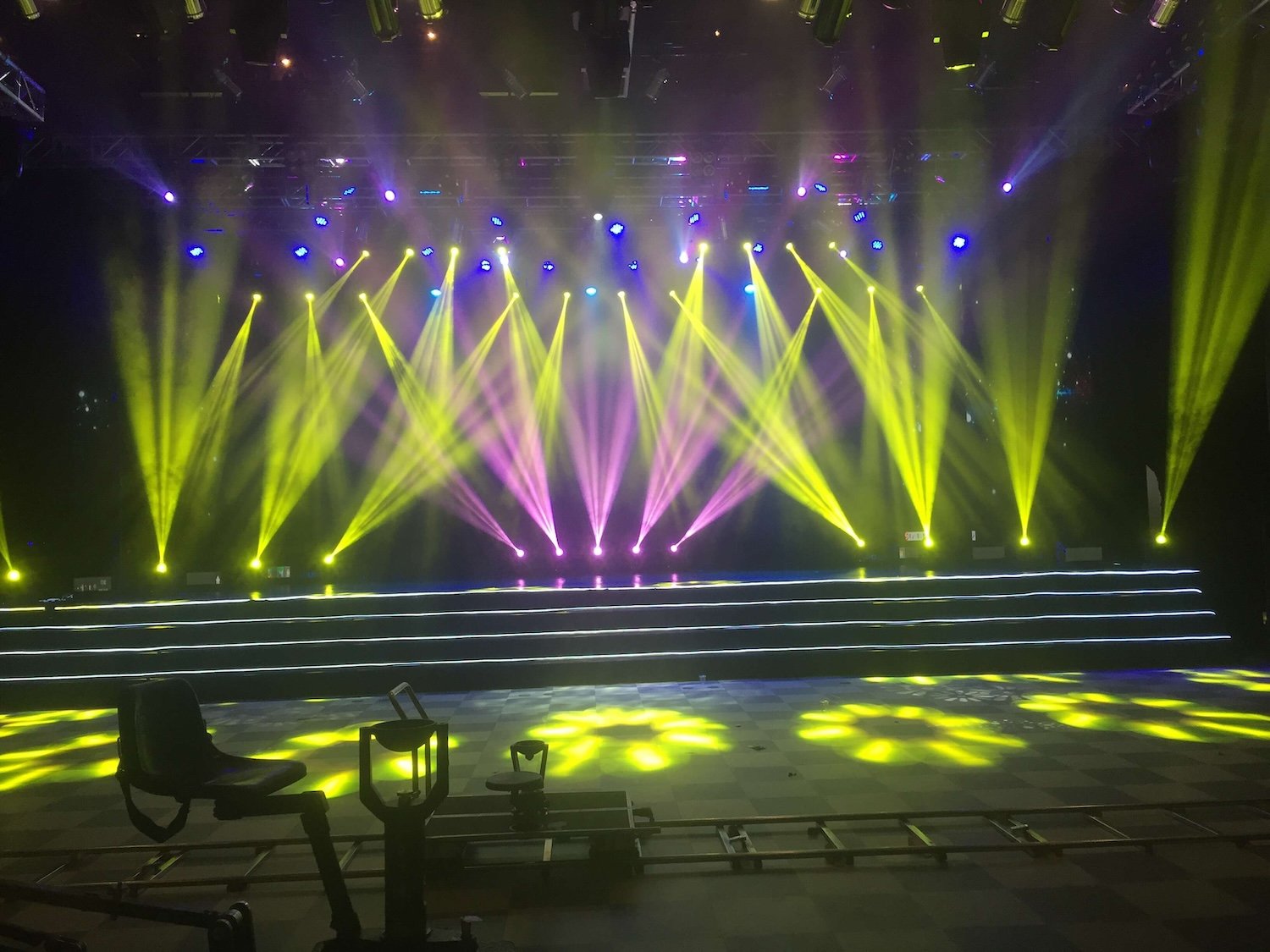
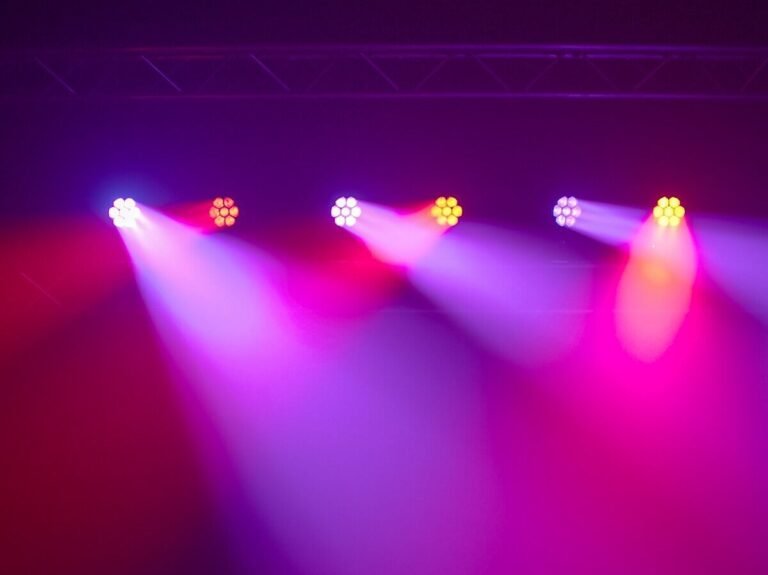
PAR lights are one of the most widely used lighting fixtures for stages, concerts, clubs, weddings, events and outdoor productions. They are valued for their simple design, strong output and ability to produce broad, controllable washes of colored or white light.
But what is a PAR light, what does PAR mean in lighting, and how is a PAR Can different from other stage lights?
This guide explains what PAR lights are, what PAR means, how LED PAR lights work, the main types of PAR lighting, common applications, beam angles and the factors to consider when choosing PAR stage lights.
Quick answer: A PAR light is a directional lighting fixture designed to produce a concentrated or semi-wide beam of light. In stage lighting, modern LED PAR lights are commonly used for color washes, stage illumination, event lighting and architectural effects.
Table of Contents
- What Is a PAR Light?
- What Does PAR Mean in Lighting?
- What Is a PAR Can?
- How Do LED PAR Lights Work?
- What Are the Different Types of PAR Lights?
- What Are PAR Can Lights Used For?
- How Does Beam Angle Affect PAR Lighting?
- PAR Light vs. Other Stage Lighting Fixtures
- How to Choose the Right PAR Light
- Why Are LED PAR Lights Popular for Stage Lighting?
- Can PAR Lights Be Customized?
- FAQ About PAR Lights
What Is a PAR Light?
A PAR light is a directional lighting fixture designed to project light forward in a controlled beam. The term is widely used in stage, entertainment and event lighting to describe fixtures that produce a focused or relatively broad beam for illuminating performers, scenery, stages or venues.
Traditional PAR fixtures used replaceable PAR lamps, while modern LED PAR lights use high-power LEDs instead of conventional lamps. This makes modern PAR lighting more flexible because one fixture can often produce multiple colors, support digital control and provide different lighting effects.
For stage applications, PAR lights are commonly used as wash fixtures rather than as highly dynamic moving fixtures. They can be positioned around a stage to provide front light, side light, backlight, background color or general area illumination.
What Does PAR Mean in Lighting?
PAR stands for Parabolic Aluminized Reflector.
The name originally described the construction of a lamp using a parabolic reflector and an aluminized reflective surface. The reflector helped direct the light into a useful beam rather than allowing it to spread in uncontrolled directions.
In modern entertainment lighting, however, the term PAR light is often used more broadly. LED PAR fixtures may not use the same traditional lamp construction, but they retain the basic idea of producing a directional beam suitable for stage and event lighting.
This is why you may see terms such as:
- PAR light
- PAR lights
- PAR Can light
- LED PAR
- LED PAR lighting
- PAR stage lights
- stage PAR cans
- PAR Can stage lights
What Is a PAR Can?
A PAR Can is a PAR-style lighting fixture housed in a cylindrical or can-shaped body. The housing contains the light source, optical components and other electrical parts required to create and control the beam.
Traditional PAR Cans were commonly associated with halogen or other conventional lamps. Modern stage lighting has largely moved toward LED PAR Cans because LEDs offer lower power consumption, longer service life and much greater color-control flexibility.
A modern LED PAR Can light may include RGB, RGBW, RGBWA, RGBWA+UV or other LED configurations. Depending on the design, it can produce saturated colors, white light and mixed colors without changing the physical lamp.
How Do LED PAR Lights Work?
LED PAR lighting uses one or more LED emitters together with optics, a heat-management system, power electronics and a control system.
The basic process is straightforward:
- The LED source produces light.
- The optical system shapes and directs the light.
- The housing and heat-management system dissipate heat.
- The control system adjusts color, intensity and effects.
- DMX or other control protocols allow the fixture to operate as part of a larger lighting system.
Different LED configurations provide different color capabilities. For example, RGB LEDs can create a wide range of colors, while RGBW or RGBWA+UV configurations add dedicated white, amber or UV channels for more accurate color mixing and additional effects.
What Are the Different Types of PAR Lights?
PAR lights are available in many configurations. For a stage-lighting project, the most important differences usually involve LED configuration, output, beam angle, protection rating, power supply and control options.
LED PAR Lights
LED PAR lights use LEDs as their primary light source. They are widely used because a single fixture can provide adjustable colors and brightness without replacing lamps.
For professional stage applications, LED PAR lights can be configured with RGB, RGBW, RGBWA or RGBWA+UV LED sources depending on the required color range and application.
PAR Can Lights
PAR Can lights are one of the most recognizable PAR fixture formats. Their relatively compact housing makes them easy to install on lighting bars, trusses, stages and event structures.
They are commonly used when the project needs multiple fixtures for stage washing or color coverage.
Battery Powered PAR Lights
Battery-powered PAR lights remove the need for a permanent power cable during operation. This makes them useful for weddings, temporary events, mobile productions and locations where cable management is difficult.
Wireless DMX and battery-powered operation can also make setup faster when multiple fixtures need to be positioned around a venue.
Outdoor IP65 PAR Lights
For outdoor events, an IP65 PAR light provides a higher level of protection against dust and water jets than an indoor-only fixture.
Outdoor PAR lights are commonly used for festivals, outdoor stages, architectural lighting, temporary events and other productions where fixtures may be exposed to changing weather conditions.
RGBW and RGBWA+UV PAR Lights
Different LED color configurations affect what a PAR fixture can produce.
| LED Configuration | Typical Advantage |
|---|---|
| RGB | Wide range of saturated colors |
| RGBW | Adds dedicated white for cleaner white output |
| RGBWA | Adds amber for warmer color mixing |
| RGBWA+UV | Adds UV effects and extended color capability |
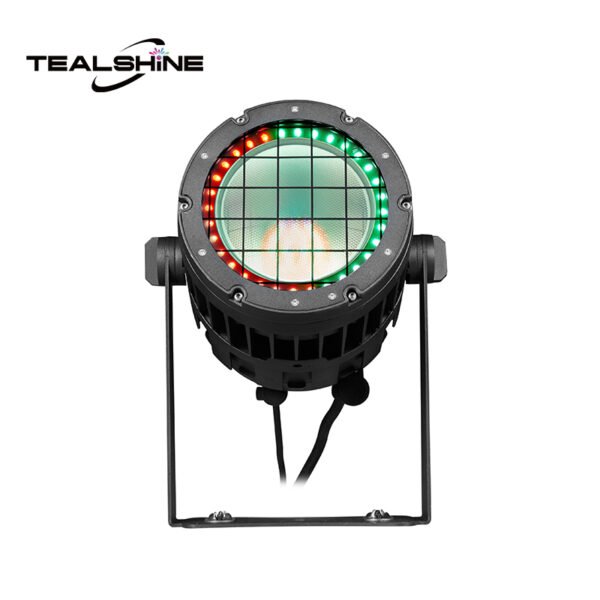
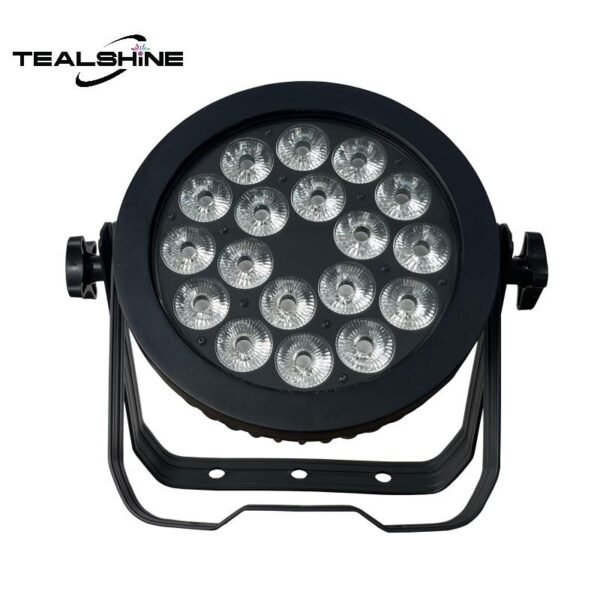
PAR Light Product Examples
For buyers comparing different PAR products, the following Tealshine fixtures show how PAR lighting can be configured for different applications.

What Are PAR Can Lights Used For?
PAR Can lights are flexible fixtures, so they can be used in many different lighting environments. Their main strength is providing consistent directional or wash lighting without the mechanical movement of a moving-head fixture.
Stage Lighting
PAR stage lights are commonly used to illuminate performers, scenery and stage areas. Multiple fixtures can be positioned across a truss or lighting bar to create even color coverage.
Concerts and Live Events
Concert lighting often requires many fixtures working together. LED PAR lights can provide background colors, side washes, audience lighting and additional color layers around the stage.
Clubs and DJs
PAR lighting is also common in clubs and DJ setups because multiple fixtures can be synchronized through DMX or other lighting control systems.
Weddings and Event Lighting
For weddings, banquets and corporate events, PAR lights are often used to wash walls, illuminate stages and create a consistent color atmosphere around the venue.
Outdoor and Architectural Lighting
IP65 PAR lights can be used for outdoor stages, festivals, building illumination and temporary outdoor events where fixtures need additional protection against dust and water.
How Does Beam Angle Affect PAR Lighting?
Beam angle determines how widely the light spreads from the fixture. It is one of the most important specifications to consider when choosing PAR lighting.
| Beam Angle | Typical Use |
|---|---|
| Narrow | More concentrated coverage and longer throw |
| Medium | General stage and event wash applications |
| Wide | Short-distance area and wall washing |
A narrow beam is useful when the fixture needs to project light over a greater distance. A wider beam is more suitable when the goal is to cover a large area from a relatively short distance.
However, beam angle should not be evaluated by itself. LED output, fixture distance, optics and the size of the illuminated area all affect the final result.
PAR Light vs. Other Stage Lighting Fixtures
PAR Light vs. Moving Head
A PAR light is generally designed for fixed-position illumination, while a moving-head fixture can mechanically change its pan and tilt position during a show.
PAR lights are therefore useful when a project needs reliable wash coverage from fixed positions. Moving heads are more appropriate when movement, beam positioning or dynamic effects are important.
PAR Light vs. LED Light Bar
LED light bars use a linear arrangement of LEDs and are often used for long, narrow washes or visual effects. PAR lights typically produce a more concentrated circular or oval beam.
PAR Light vs. Wash Moving Head
Both can be used for wash lighting, but a wash moving head provides mechanical movement while a PAR fixture normally remains fixed.
The right choice depends on whether the lighting project needs movement or mainly requires stable, repeatable coverage.
How to Choose the Right PAR Light
When purchasing PAR stage lights for a professional project, looking only at wattage is not enough. The fixture needs to match the actual installation and control requirements.
1. Consider the Application
First determine where the fixture will be used. Indoor stages, concerts, weddings, clubs and outdoor festivals can require very different fixture specifications.
2. Check the Beam Angle
Choose a beam angle according to the distance between the fixture and the illuminated area. A narrow beam and a wide wash serve different purposes.
3. Choose the LED Configuration
RGB can work well for saturated color effects, while RGBW, RGBWA and RGBWA+UV configurations provide additional flexibility for professional productions.
4. Check the IP Rating
If the fixture will be installed outdoors or exposed to moisture, an appropriate IP rating should be part of the purchasing specification.
5. Consider Wired or Battery Operation
For permanent installations, wired fixtures are often straightforward to integrate. Battery-powered PAR lights can be more practical for temporary installations and event production.
6. Check the Control System
DMX512 is commonly used in professional stage lighting. For larger installations, check the number of DMX channels, RDM support, wireless control options and compatibility with the existing lighting console.
7. Consider Long-Term Supply
For distributors, rental companies and project suppliers, product consistency can be as important as the initial fixture specification. LED source quality, component availability, replacement parts and manufacturer support should all be considered.
Why Are LED PAR Lights Popular for Stage Lighting?
LED PAR lights have replaced many traditional PAR lamp fixtures because they offer more flexibility for modern lighting systems.
- Flexible color control: RGB, RGBW and RGBWA+UV configurations can produce a wide range of colors.
- Long LED service life: LEDs can operate for long periods when properly designed and cooled.
- Lower heat output: LED fixtures generally produce less heat at the illuminated area than traditional lamp-based systems.
- Digital control: DMX allows multiple fixtures to be programmed and synchronized.
- Compact designs: Modern LED PAR fixtures can deliver substantial output from relatively compact housings.
- Outdoor options: IP-rated LED PAR lights can be used for outdoor productions and events.
Can PAR Lights Be Customized?
Yes. Professional PAR lighting manufacturers can customize fixtures for distributors, rental companies, lighting projects and private-label brands.
Depending on the project, customization may involve the optical system, LED configuration, beam angle, housing, power supply, control system, branding, firmware and packaging.
For example, a distributor may need a specific RGBW configuration and private-label housing, while a rental company may prioritize rugged construction, outdoor protection and battery operation.
For OEM and ODM projects, it is useful to define the target application and required performance before selecting the final fixture configuration.
Learn more about Tealshine OEM/ODM stage lighting solutions.
FAQ About PAR Lights
What is a PAR light?
A PAR light is a directional lighting fixture designed to produce a controlled beam of light. Modern stage PAR lights commonly use LEDs and are used for stage wash, event lighting, concerts and other entertainment applications.
What does PAR stand for in lighting?
PAR stands for Parabolic Aluminized Reflector, a term originating from the construction of traditional PAR lamps.
What is a PAR Can?
A PAR Can is a PAR-style lighting fixture with a can-shaped housing. Modern LED PAR Cans are widely used for stage, event, club and architectural lighting.
What are PAR Can lights used for?
PAR Can lights are commonly used for stage washes, concerts, weddings, clubs, DJ lighting, events, architectural lighting and outdoor productions.
Are LED PAR lights better than traditional PAR lights?
LED PAR lights offer advantages such as adjustable colors, digital control, long LED service life and flexible fixture configurations. The appropriate choice still depends on the specific lighting application.
What beam angle should a PAR light have?
It depends on the distance and coverage required. Narrow beams concentrate light over a smaller area, while wider beams provide broader coverage at shorter distances.
Can PAR lights be used outdoors?
Yes. Outdoor PAR lights with an appropriate IP rating can be used for outdoor stages, festivals, events and architectural applications.
Conclusion
PAR lights remain a practical choice for stage and event lighting because they provide directional illumination in a relatively simple fixture format. Modern LED PAR lights extend the traditional PAR concept with RGB, RGBW, RGBWA+UV and other LED configurations, together with DMX control, battery operation and outdoor-rated designs.
When choosing PAR lighting, consider the application, beam angle, LED configuration, IP rating, control system, installation environment and long-term supply requirements rather than looking at wattage alone.
For distributors, rental companies and professional lighting projects, working directly with an experienced manufacturer can also provide more options for product configuration, branding and OEM/ODM customization.