Professional High Quality Stage Lighting Manufacturer

What Stage Lighting Colors to Avoid on Stage Design?
Table of Contents
Why Dmx Lighting is So Important?
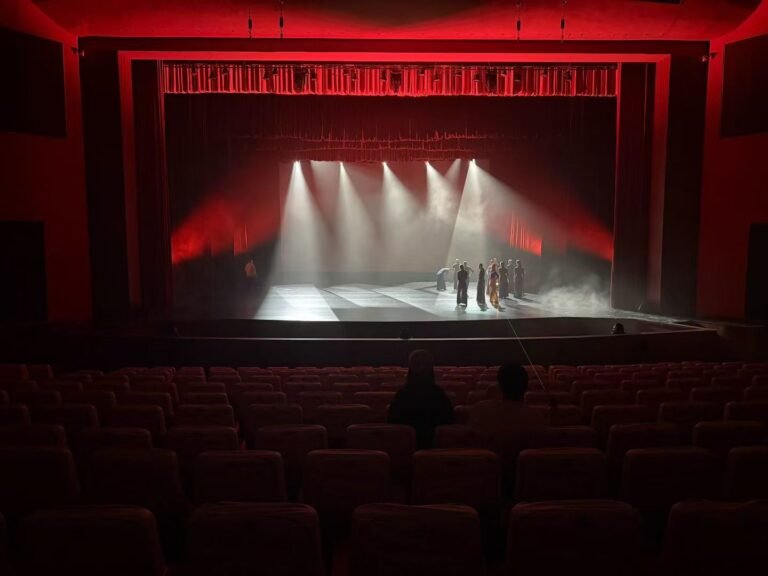
Stage lighting design plays a crucial role in performances. It not only provides performers with the necessary illumination but also shapes the atmosphere and emotion of the entire stage, guiding the audience’s gaze and enhancing the viewing experience. Appropriate lighting, through different colors and intensities, can create various emotions, thereby enhancing the development and expressiveness of the plot.
In stage performances, the design and layout of lighting directly affect the audience’s impression and understanding of the performance. For example, warm tones can create a cozy and pleasant environment, while cool tones may convey a tense or sad atmosphere. This expression of color is not merely a visual enjoyment but also an emotional guide. Therefore, the task of a lighting designer is not simply to illuminate the stage but to influence the audience’s psychological and emotional responses through careful color selection.
Considering the choice of light colors is paramount when designing lighting. Different expressive forms and narrative needs may require certain colors to help convey the emotions to be expressed, while others may disrupt this effect. Furthermore, stage lighting must coordinate with the actors’ costumes, props, and overall stage design to avoid visual conflicts and disharmony.
Therefore, the selection of stage lighting is not only a technical consideration but also an artistic pursuit. Lighting designers need to find a balance between creativity and practicality to leave a deep and beautiful impression on the audience and elevate the entire performance to another level.
Mismatch between Basic Light Color and Reflected Object Color
In led stage light design, the matching of light color and reflected object color is a crucial factor. A correct color scheme not only enhances the stage effect but also influences the audience’s visual experience. If the light color and the reflected object color mismatch, it can lead to jarring visual effects and weaken the overall performance.
For example, using green tape as a prop and illuminating it with red light creates a significant visual disharmony. Green tape displays its brightness and color under natural light or in combination with a green light source. However, when exposed to red light, the originally clear green becomes blurred and lifeless. In this situation, the audience struggles to discern the object’s essential characteristics, causing visual confusion and misunderstanding.
Furthermore, color has a direct impact on emotions and psychological states. Using inappropriate combinations of light color and reflected object color on stage can obscure performers’ facial expressions and reduce the depth of their emotional delivery. This requires designers to fully consider these elements when selecting lighting, ensuring that the light color complements the colors of props or actors’ costumes to create a harmonious and consistent visual experience.
In conclusion, stage lighting design is not merely a technical operation, but also an artistic choice. By appropriately combining the color of light with the reflected colors of objects, stage performance can be effectively enhanced while avoiding potential visual distractions, thereby creating a more attractive performance atmosphere.
The Impact and Avoidance Strategies of Blackouts
Blackouts are a common phenomenon in stage lighting design, typically referring to the dulling effect of certain sounds during a performance due to color variations. This phenomenon often leads to discomfort or fatigue among the audience, reducing the overall viewing experience. The formation of blackouts is closely related to the color temperature and color binding of the lights, especially when using low-saturation, dark-toned light sources, which directly impacts sound performance.
Firstly, blackouts reduce the clarity of music, causing the expressive power of certain instruments or vocals to be masked by color saturation. Therefore, the proportion of sound effects in a performance is particularly important; excessive blackouts can make the entire performance lifeless. Furthermore, blackouts can negatively affect the audience’s emotional response, causing distraction and even irritation in some situations.
To avoid the adverse effects of blackouts on a performance, designers need to carefully select the colors of the lights. An effective strategy is to use highly saturated colors, especially bright tones in key scenes, to enhance the audience’s perception and experience. In addition, a reasonable combination of light sources with different color temperatures can effectively adjust the sound mapping effect. Designers should also regularly test the lighting and sound systems to ensure optimal coordination. Additionally, considering surround sound or stereo setups can better create a sense of depth and counteract the discomfort caused by blackouts. Overall, blackouts have a significant impact and should not be ignored; adopting appropriate avoidance strategies is crucial for ensuring a successful performance.
Consequences of Inappropriate Lighting Colors
In stage lighting design, color selection is crucial for overall expressiveness and audience experience. Using inappropriate lighting colors can have a series of negative impacts on the performance, significantly altering the audience’s understanding and perception of the scene. For example, a predominantly green object may appear blackened under red light, distorting the design intent. This color incongruity directly affects the audience’s visual experience and may even lead to misunderstandings, making it difficult to grasp the core message of the performance.
In a stage play, the use of color is not merely for beautifying the scene, but also for conveying emotions and atmosphere. For example, warm colors are often used to create intimacy, while cool tones are often used to convey feelings of loneliness or unease. Choosing lighting colors that do not match the story’s background or the characters’ emotions can confuse the audience and weaken the emotional resonance of the story. Furthermore, inappropriate color choices can also limit actors’ performances, preventing them from fully showcasing the depth of their characters. To avoid these problems, designers need a deep understanding of color interactions to ensure that the lighting accurately reflects the required emotions and context.
In addition, inappropriate stage lighting colors can also lead to visual imbalances on stage, affecting the rhythm of the entire performance. For example, in dynamic scenes, if the lighting colors change frequently and lack consistency, viewers may experience visual fatigue and become distracted, leading to a lack of engagement with the plot. Therefore, lighting designers should focus on the rational combination of colors and thematic consistency to ensure the audience has the best experience and understanding.
What are the Principles of Color,Distribution,Intensity,and Variation?
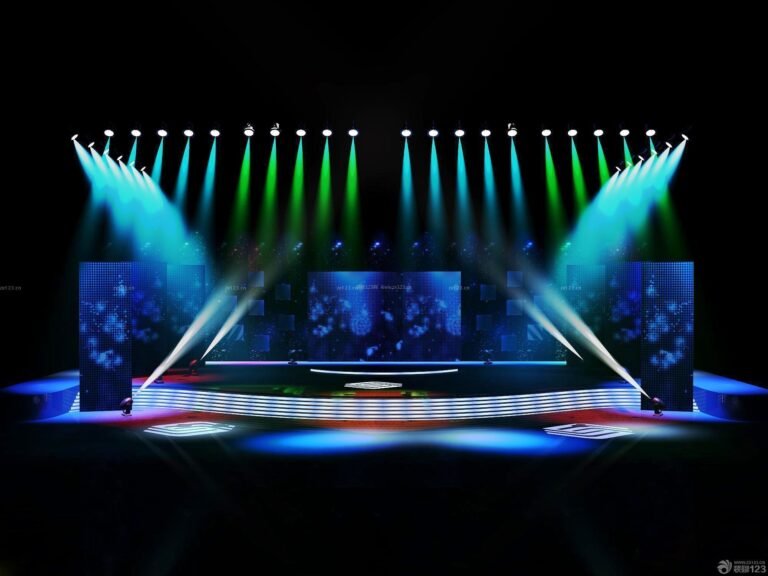
In led dmx lighting design, the choice of color, the distribution of light beams, the intensity of brightness, and the variation of light are all crucial factors affecting the dramatic effect. Understanding these fundamental principles is essential for achieving richly expressive stage effects.
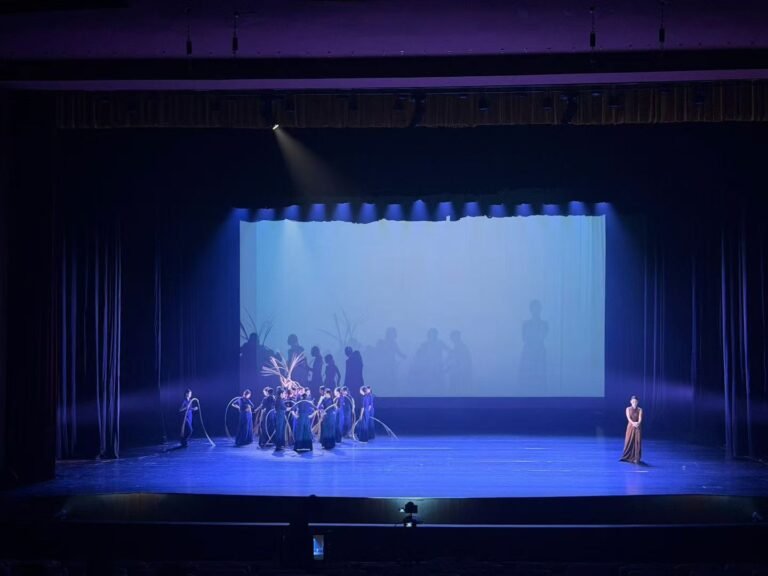
First, the role of color in stage lighting cannot be underestimated. Color not only shapes the atmosphere but also reveals the emotional state of characters. Designers should carefully select colors that coordinate with the plot, scene, and costumes to ensure visual unity. Cool colors can create an atmosphere of sadness or tension, while warm colors are often used to convey joy or warmth.
Second, the distribution of light needs to consider the transition between different scenes. The lighting in each scene should flow smoothly, avoiding abrupt changes. This meticulous lighting distribution ensures a smooth visual experience for the audience, allowing them to better immerse themselves in the story.
Furthermore, the intensity and brightness of light are also important components of stage design. Excessive brightness may obscure certain subtle details, while insufficient brightness will affect the audience’s viewing experience. Therefore, designers need to carefully adjust the intensity of light to ensure that the expressiveness of each scene is at its best.
Finally, lighting changes should follow the rhythm of the plot. By adjusting the intensity and color of the lights appropriately and at the right time, the emotional expression and atmosphere of a scene can be effectively enhanced. For example, during intense plot developments, the speed of light changes can be increased to heighten the audience’s tension.
Overall, adhering to the principles of color, distribution, intensity, and variation helps stage lighting designers express emotions more accurately and effectively, enhance audience immersion, and make the entire performance more complete.
Recommendations and Best Practices for Color Usage.
In stage light led design, the choice and application of color are crucial factors influencing the audience experience.
Designers need to follow some best practices to ensure that the stage effects maximally convey the performance’s intent and attract the audience’s attention. First, choosing appropriate color combinations is essential. Avoid using color schemes with excessive contrast, as this can lead to visual distraction and make it difficult for the audience to concentrate. Consider using gradient effects with similar hues, which not only maintain good visual consistency but also create a soft atmosphere.
Second, controlling light intensity is also an important aspect of stage lighting design.
Different scenes may require different light intensity levels, and designers must adjust according to the emotional theme of the performance. For example, dramatic scenes may require dimmer lighting to enhance tension, while cheerful scenes can use brighter lighting to create a lively atmosphere. Furthermore, changes in light intensity should be smooth, achieved through effects such as gradients or flashing, creating dynamism without affecting the overall visual appeal.
Additionally, lighting design should ensure flexibility to allow for timely adjustments based on the performance’s progress.
On-site changes may require designers to improvise; therefore, it is wise to develop multiple lighting schemes and adjustment plans in advance. In addition, it is recommended that designers communicate frequently with directors and actors to fully understand the needs and emotions of the performance during the design phase, thereby providing effective visual support.
Frequently Asked Questions
Color selection and usage are crucial aspects of stage lighting design. Here are three frequently asked questions related to color application in stage lighting, along with brief answers:
1. Why is color matching so important in stage lighting design?
Color matching is essential in stage lighting design because it enhances visual effects, shapes atmosphere, and improves the audience’s experience. Through appropriate color combinations, designers can convey specific emotions, themes, or atmospheres, making the performance more engaging. Creative use of color can make certain elements stand out and add depth to the stage presentation.
2. How can I ensure that the colors in my stage light design don’t clash with the set design?
The best way to ensure no color conflicts occur is through thorough pre-planning. This includes analyzing the colors of the stage set and selecting lighting colors that coordinate with it during the design process to create a harmonious and unified overall effect. Additionally, color wheels or color theory can be used to select complementary or analogous colors to achieve a high degree of visual harmony.
3. What aspects should be considered when using multiple colors in creative stage lighting design?
When using multiple colors, stage lighting designers need to pay attention to color contrast and saturation. Overly bright or high-contrast colors can cause visual fatigue or interfere with the transmission of emotions. Therefore, different colors should be used judiciously, and their colors should be appropriately adjusted according to the theme and atmosphere of the stage performance. At the same time, the intensity of the lighting should be monitored to ensure that the colors are clearly defined, rather than chaotic.