Professional High Quality Stage Lighting Manufacturer

What is Color Theory for Stage?
Table of Contents
What is Color Theory?
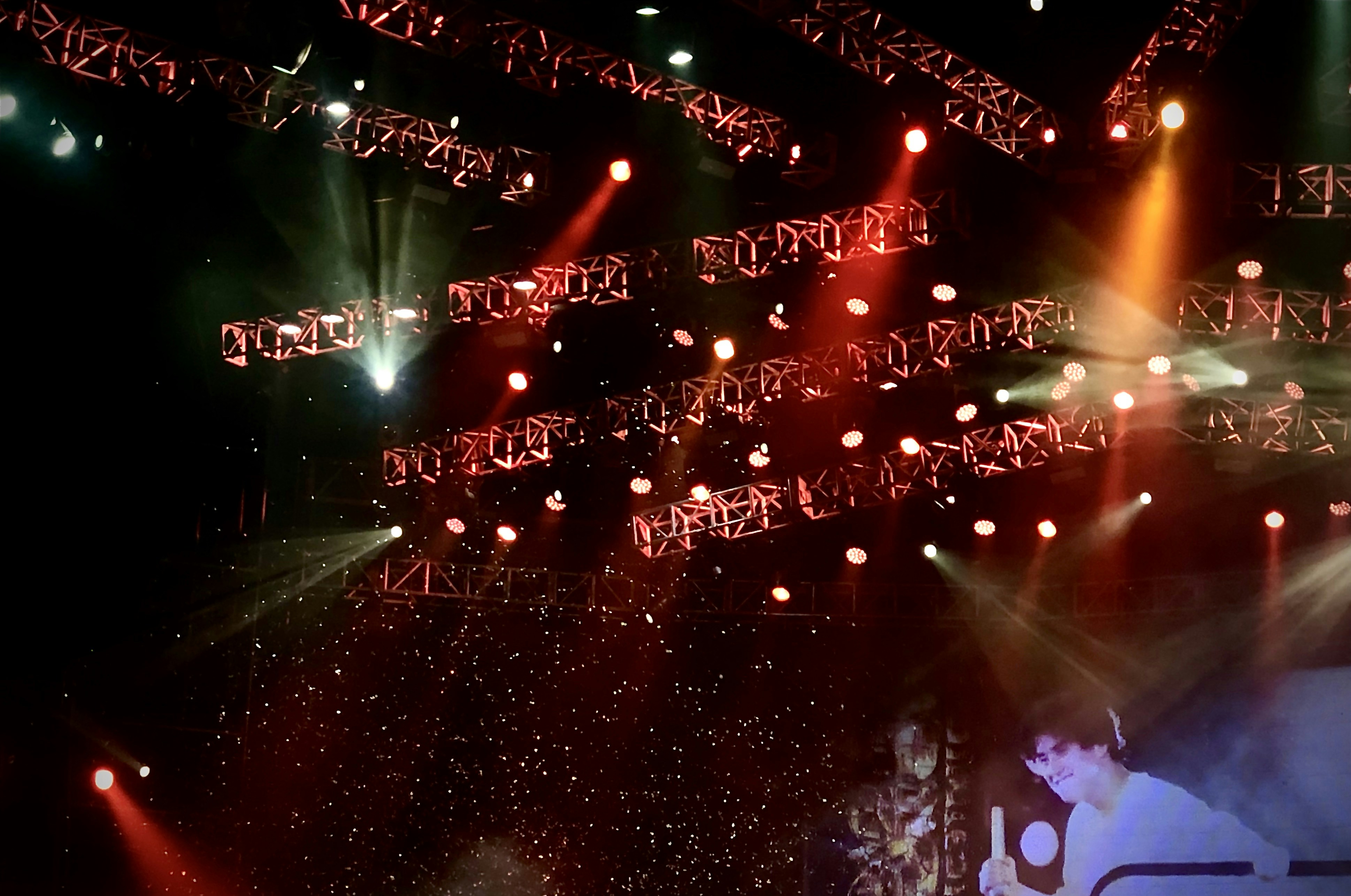
Color theory plays a crucial role in stage lighting design.
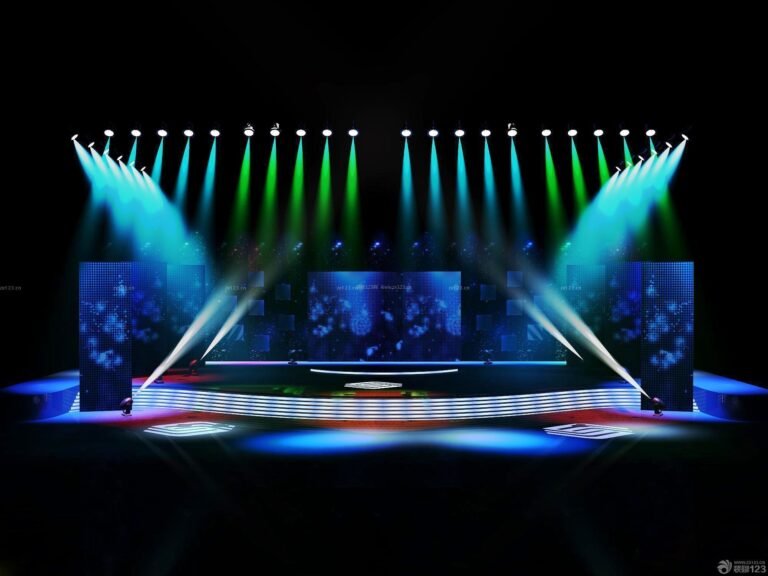
Colors are not merely visual elements; they also possess emotional and psychological influences, significantly enhancing the audience experience. Through the skillful use of color, lighting designers can construct rich stage atmospheres, strengthen the emotional expression of characters, and thus better convey the themes and plot of the story.
Colors can be categorized into warm and cool colors based on their psychological effects.
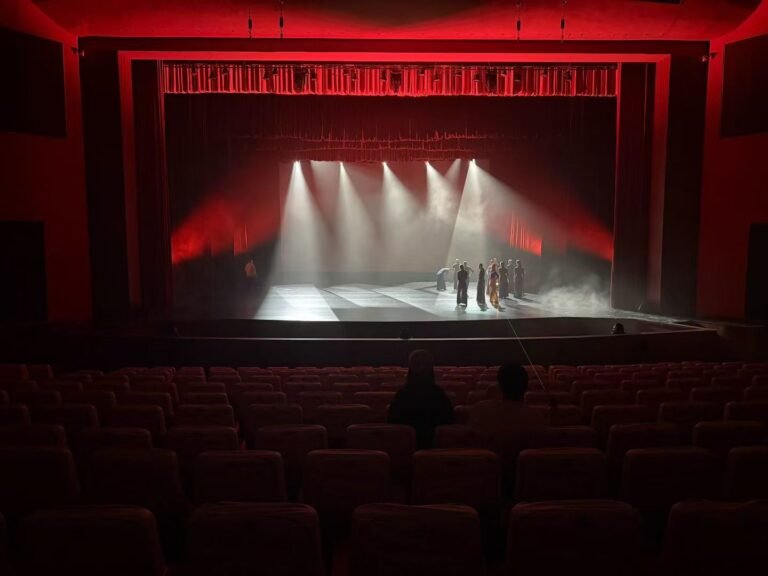
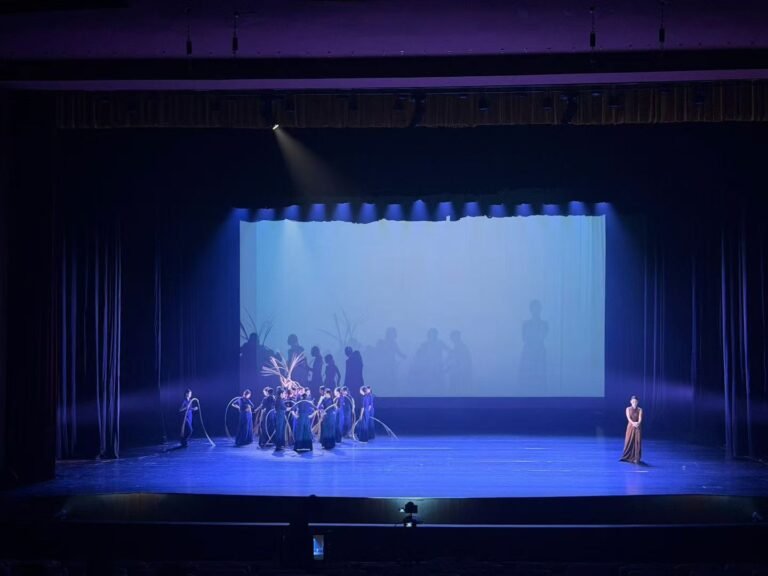
Warm colors, such as red and orange, are typically associated with passion, energy, and tension, while cool colors, such as blue and green, usually convey feelings of tranquility, calmness, and mystery. In lighting design, designers must precisely grasp this subtle balance of colors to guide the audience’s emotional response in specific situations. Furthermore, by combining different colors, lighting designers can create unique visual effects, making stage scenes more vivid and captivating
What are Additive and Subtractive Color Mixing?
In stage lighting design, additive and subtractive color mixing are two fundamental color mixing methods that effectively influence the audience’s emotions and experience. Additive color mixing is primarily used in the operation of light sources during performances, while subtractive color mixing is often used in the selection of materials and dyes. Understanding and applying these two methods can provide lighting designers with profound design insights.
Additive color mixing is based on the principles of light, creating new colors by combining different colored light sources. The three primary colors of additive color mixing are red, green, and blue (RGB). Through simple combinations, these three colors can create a wide variety of hues. For example, red and green light combined create yellow, while red and blue light combined create magenta. Stage lighting designers can use these primary colors to create specific atmospheres in the lighting layout, making the performance more expressive. For example, using blue and purple light sources can create a mysterious nighttime effect, while a bright combination of red and yellow conveys a cheerful mood.
Subtractive color mixing, on the other hand, is the opposite of additive color mixing; it achieves color adjustment by reducing the amount of color already present in the light source. This method typically involves the selection of color filters. For example, placing filters of different colors in lighting equipment reduces the overall light intensity and creates the desired color effect through the layering of multiple colors. When light passes through color filters, they absorb certain wavelengths of light, leaving others, a process that achieves a significant color shift. When selecting filters, designers must consider the overall effect of the light combined with the scene to ensure the best possible visual experience for the performance.
What are Hue, Saturation, and Color Temperature?
In lighting design, hue, saturation, and color temperature are crucial visual elements that collectively influence audience perception and emotional response.
Hue generally refers to what a color is, such as red, blue, or green, while saturation indicates the purity or intensity of a color, how close a color is to white light. Highly saturated colors tend to attract attention and create a lively and passionate atmosphere; while low-saturated colors may appear soft and tranquil.
On stage, the hue of the lighting can directly affect the emotional atmosphere of a scene.
For example, warm hues (such as orange and red) typically create a warm and intimate feeling, making them ideal for scenes expressing joy or passion. Conversely, cool hues (such as blue and purple) are often used to convey unease or sadness, particularly common in tragedies or suspenseful stories.Color temperature is another crucial factor in lighting design. Different light sources have different color temperatures, measured in Kelvin (K). Its value corresponds to the theoretical color of light emitted when a black body is heated to that temperature. Color temperature is generally categorized as warm or cool;
lower color temperatures result in a more yellowish white light, while higher color temperatures result in a more bluish white light.In general, understanding the relationship between hue, saturation, and color temperature helps lighting designers more effectively develop lighting schemes, creating an emotional atmosphere that aligns with the script’s requirements, thereby enhancing the overall visual appeal and emotional impact of the stage performance.
What will be Recommended for Stage Color?
In this article, we have explored how to effectively utilize color theory to enhance the quality and expressiveness of stage lighting design.
Color not only visually captivates the audience but also fosters a deep emotional connection with the storyline and characters. By understanding the fundamental properties of color and how colors interact, lighting designers can create rich, evocative stage effects.
Applying color theory to stage lighting design is not a static process but one of continuous learning and practice.
Tealshine Lighting hope these recommendations assist lighting designers in effectively applying these theories to their work, enabling them to create even more compelling stage lighting effects.