Professional High Quality Stage Lighting Manufacturer


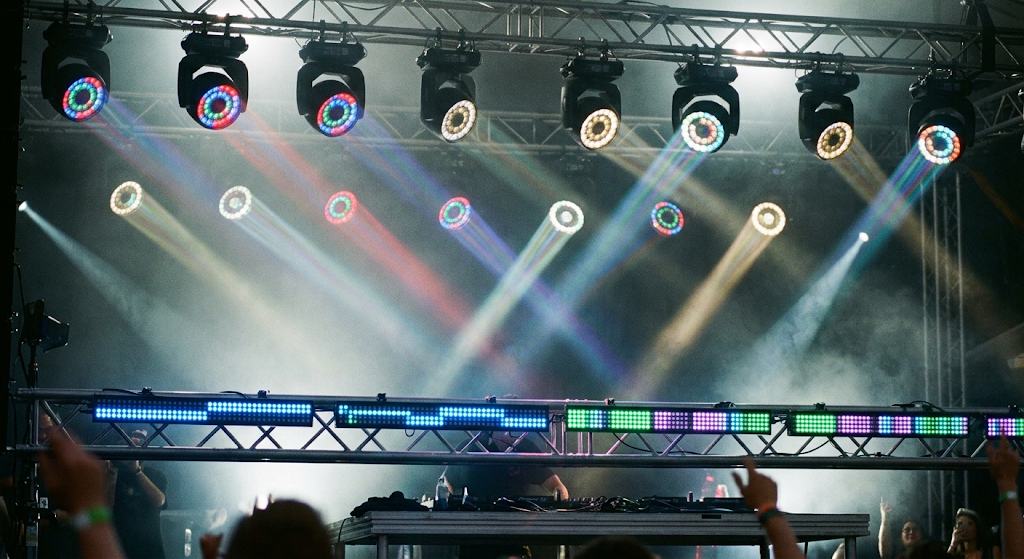
Table of Contents
A beam pixel fixture is a moving head or linear bar whose light engine is split into many individually controllable emitters. Where a conventional beam light pushes one colour through one lens, a pixel beam lets you address each segment separately, so the output stops behaving like a single flat column and starts working more like a display stretched along the optical axis.
If you have ever watched a tight beam break into a rising ladder of colour, a spiral that turns inside the light, or a chase that travels from the lens into the haze, you have seen pixel mapping at work. It changes what a fixture can do, how a designer plans a show around it, and what you should ask a manufacturer before putting your name on one.
This guide covers how pixel beams work, which specifications matter, where they earn their keep, and how to choose a manufacturer when a catalogue product is close but not quite right. It is written by Tealshine, a Guangzhou-based LED stage lighting maker established in 2024, from the conversations we have with distributors, rental houses and contractors every week.
What Counts as a Beam Pixel Fixture?
The phrase gets used loosely, so it helps to draw a line. A real pixel beam needs two things at once: a narrow, punchy beam path and a light engine with multiple addressable zones behind that path. A fixture with a smooth single-source beam is not a pixel beam, however many colours it mixes. A fixture with addressable LEDs but a wide, soft output is a pixel bar or a wash pixel, a useful tool but a different one.
Pixel beam moving heads. This is the classic form. A tight collimator sits in front of a segmented LED array, and the head pans and tilts like any other moving light. Common layouts use concentric rings, a central cluster ringed by outer zones, or a compact matrix behind a single lens. Rings read best in the air, because a chase appears to travel outward from the middle of the beam.
Linear pixel beams and strips. A linear pixel beam arranges its emitters in a row and gives each one its own control channel. Mounted on truss, floor or wall, these units can run a travelling line of colour, trace the edge of a stage, or serve as a low-profile uplight between shows. They add pixel detail without adding another moving head to the rig.
Inside the Fixture: How the Pixels Do Their Job
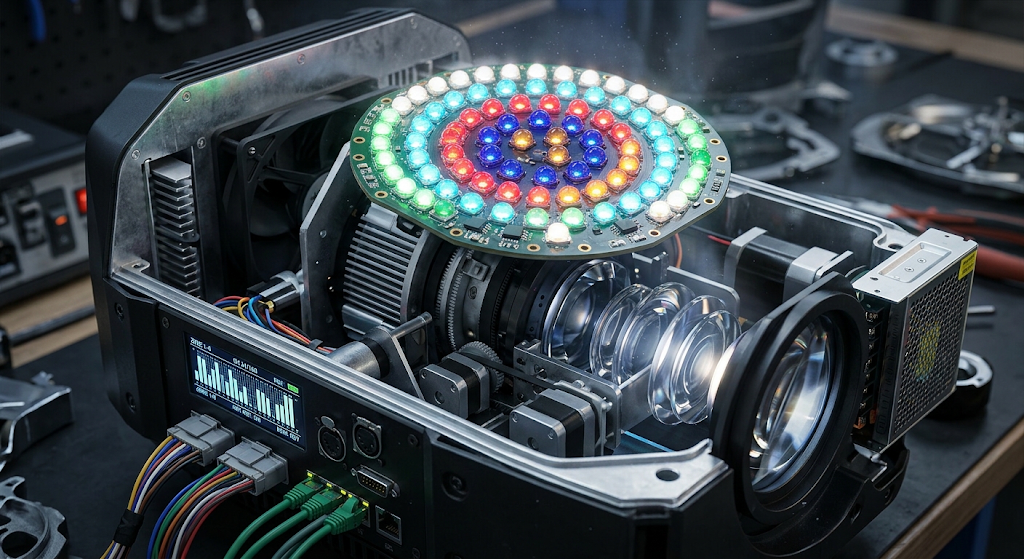
Three systems decide whether a pixel beam looks clean or muddy: the light engine, the control mapping and the optics in front of them. All three have to work together.
The LED engine and its zoning. Behind the lens sits an array of LED beads binned for colour consistency and split into separately driven zones. The layout sets the ceiling on what the fixture can draw: rings give radial patterns and rotations, rows give linear chases, and a small matrix gives blocks and simple graphics. Cooling matters too, because tightly packed emitters at full output generate real heat, and a good housing keeps colour stable across a long show.
DMX mapping and channel modes. Every zone needs control data. A basic three-channel mode treats the fixture as one colour source, while an extended mode may consume dozens or hundreds of channels so each zone can be addressed on its own. RDM simplifies addressing and status checks, and very large pixel counts often move to Art-Net or sACN over Ethernet. Before ordering, add up the channel footprint and confirm how many universes your console and network will carry.
Optics. Pixel detail is easy to lose. A lens that blends neighbouring zones into a smooth wash hides the pattern, while an over-aggressive collimator can make the beam too narrow to fill a stage. The balance is a beam angle that stays punchy at your throw distance but still resolves individual zones. Motorised zoom helps, letting you tighten the beam for aerial effects and open it up for stage coverage.
Specifications That Decide the Result
The right questions are less about headline wattage and more about how the fixture behaves once it is on the rig. This is the checklist we run through with designers, rental managers and project contractors.
| Parameter | What to ask | Why it matters |
| Pixel count and layout | How many addressable zones, and are they built as rings, rows or a matrix | Sets the limit on which patterns the fixture can produce |
| Beam angle and zoom | Fixed or motorised, and how narrow the tightest setting becomes | Controls throw distance and how sharply each pixel reads |
| Channel modes | How many DMX channels the unit consumes in each mode | Decides how many universes your rig will need |
| Control protocols | DMX512 and RDM support, plus Art-Net or sACN for large pixel counts | Affects console patching and network design |
| Colour system | RGB or RGBW mixing, and the quality of the white it produces | Matters for camera work and colour matching |
| Power and voltage | AC input range, power draw and whether units can be linked | Affects distro planning and cable runs |
| Thermal and acoustic profile | Fan strategy and noise level at typical listening distance | Decides whether it can hang near a stage or a microphone |
| Ingress protection | Indoor rating or a genuine outdoor IP class | Determines festival and facade use |
Where Pixel Beams Earn Their Keep
The same fixture can be built very differently depending on the room it will live in.
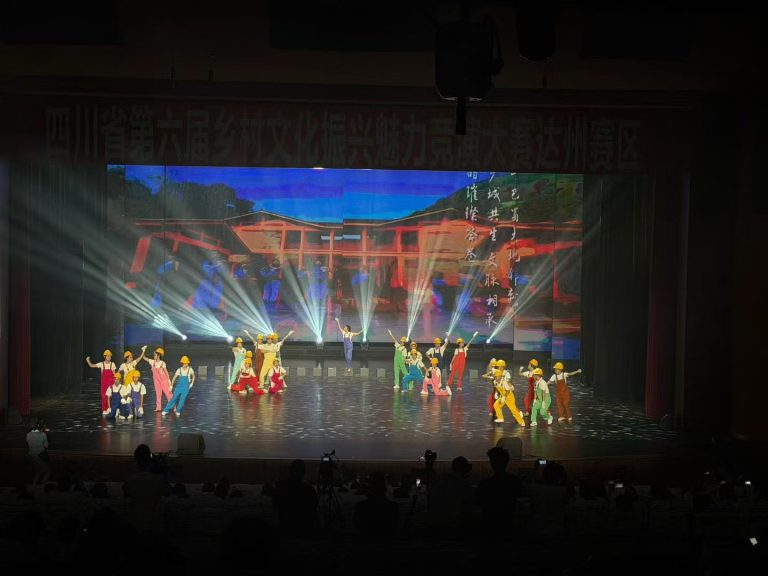
- Concert tours and festival stages. A narrow pixel beam cuts through haze and holds its shape over long throws, so a chase still reads from the back of a field and fewer fixtures carry more visual information. Fast rigging, frequent transport and consistent output matter most, and battery powered fixtures help on outdoor stages without power infrastructure.
- Clubs and commercial entertainment venues. Pixel beams give resident operators plenty of variety from a small rig. Patterns can crawl during a warm-up set and accelerate with the tempo. Because these venues usually combine wash, effect and moving fixtures on one control system, protocol compatibility becomes the deciding factor.
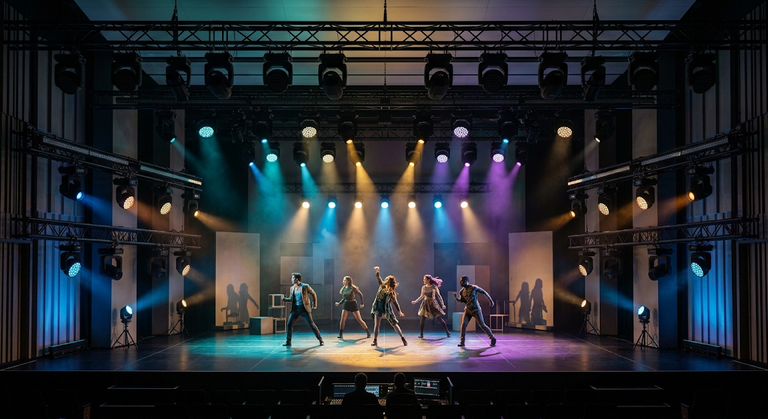
- Theaters. Smooth dimming, colour stability and predictable noise behaviour take priority over raw output.
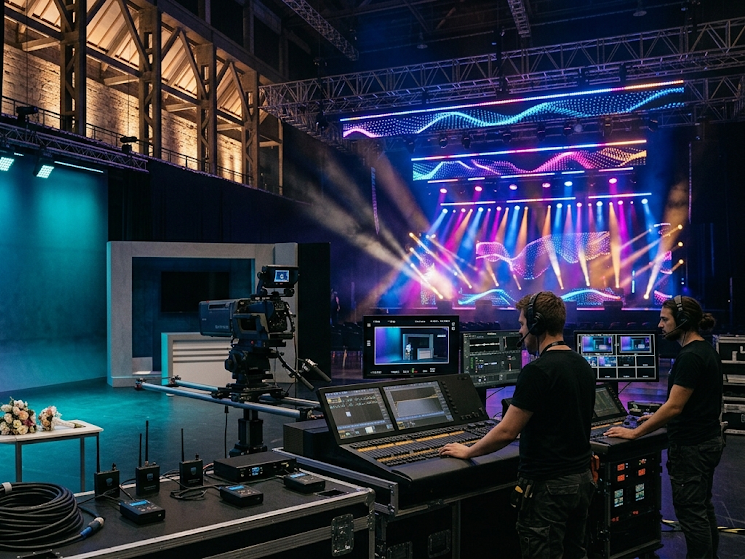
- Broadcast and studio sets. Clean colour, stable white and flicker-free, quiet operation matter more than raw output, and pixel effects are usually used sparingly as a set accent. Colour customisation has the most value here.
- Architectural and commercial spaces. Linear pixel beams work along facades, hotel entrances and retail interiors, where a travelling line of light draws attention without the cost of a full media facade.
When a Stock Fixture Is Not Enough
Rental fleets and distributors often reach a point where a catalogue product is close but not quite right. Perhaps the beam angle suits one venue type but not another, the colour temperature does not match existing inventory, the plug and carton do not suit a new market, or the pixel layout ignores the patterns a designer keeps asking for.
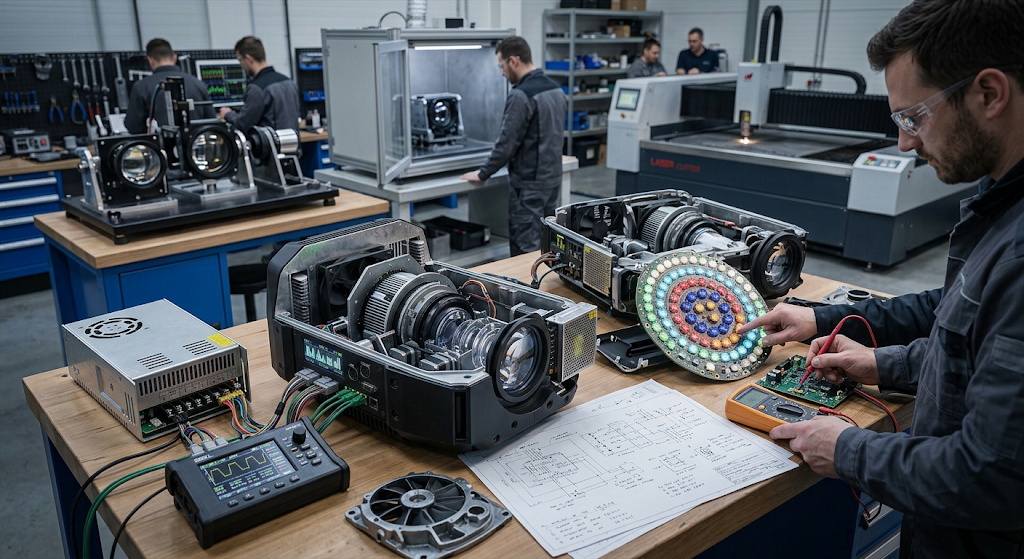
In stage lighting, the word “custom” gets stretched in every direction. For a pixel beam moving head, genuine customisation usually touches one or more of six technical areas, and all six can be combined because they run through the same production flow:
| Customisation area | Typical parameters | Pixel beam example | Who usually requests it |
| LED bead colour | Colour temperature, CRI, colour range | Matching zones to an existing fleet or a camera-friendly white | Broadcast studios, distributors |
| Optics | Lens, reflector, beam angle | A revised collimator so pixels stay readable at your throw | Theaters, project contractors |
| Power and electrical | Input voltage, driver, EMC | A wider input voltage range for export markets | Export distributors, contractors |
| Software and DMX | Channel mapping, RDM, effect algorithms | A custom channel map or firmware that speaks your control system’s protocol | Rental companies, lighting designers |
| Housing and packaging | Enclosure, heat dissipation, protection rating, compliance labels | Outdoor-rated housing and destination-market labelling | Distributors, project contractors |
| Internal structure | Mechanical layout, service access, assembly | Easier maintenance over years of touring | Rental companies, touring projects |
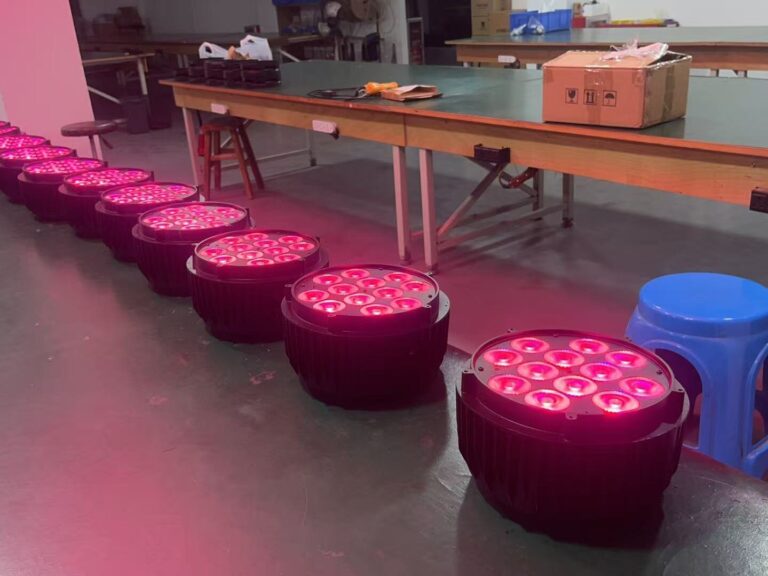
Custom work always starts from something solid. Our standard range covers six core product families: moving head lights, LED wall wash lights, LED light bars, LED strobe lights, par can lights (including outdoor versions) and battery powered LED lights. That gives clients a realistic base to modify instead of a blank page, and the families often ship together on the same project. LED light bars, for example, are a natural starting point for linear pixel effects.
How to Choose a Custom Manufacturer
Choosing a custom lighting manufacturer is rarely about finding the brightest fixture on a spec sheet. It is about finding a partner who understands why your rental fleet needs a specific DMX channel map, why a theater wants a smoother dimming curve, or why a distributor entering a new market needs a different plug, label and carton. Before you approve any quotation, work through these checks.
- Ask which areas are in-house and which are outsourced. If a supplier cannot tell you which of the six areas above they own, the fixture you receive may not match the sample you approved.
- Confirm the channel footprint and protocol documentation. Request the DMX chart and the firmware update process. A documented protocol and a supported update path keep a rig usable for years.
- Ask how colour stays consistent across zones. Mismatched zones become obvious the moment the beam is viewed from the side.
- Measure before you specify. Confirm throw distance, the width you need to cover, and that both the narrowest and widest beam settings work in that space.
- Check thermal and acoustic behaviour if the unit will hang near performers, cameras or microphones.
- Verify protection rating and mains input range for outdoor use and for your region.
- Look for a partner who asks about your venue, control desk and market before talking about watts.
Questions We Hear From Distributors, Rental Houses and Contractors
Can you build under our own brand?
Yes. Private label work is a normal part of our OEM service, covering the fixture, the outer packaging and the compliance labelling required by the destination market. We also prepare the supporting documentation, including specification sheets and DMX protocol tables.
How long does a custom project take?
It depends on how many of the six customisation areas change. A packaging and label adjustment moves quickly; new optics plus custom firmware takes longer because samples must be verified. We agree the schedule with you at quotation stage, once the feature list is frozen, and report progress at defined milestones.
Do you support small first orders?
Most clients start with a sample unit for evaluation and then scale toward volume. Our production capacity is scalable, so the same design can serve a pilot batch and a larger rollout without a redesign.
Who handles certification and compliance?
Compliance is part of our customisation scope. Enclosure, packaging and electrical choices are made with the target market’s requirements in mind, and the related documents are delivered alongside the goods.
Bringing the Beam to Life
A beam pixel fixture is only as good as the plan behind it. Get the beam angle, channel footprint, thermal behaviour and optical quality right, and a handful of pixel beams will carry an entire show. Get them wrong, and you will spend the load-in fighting your own rig.
Because Tealshine manufactures rather than resells, changes are handled at the component level: LED beads, optics, power, firmware, housing and packaging inside one workflow, with documentation, DMX charts and compliance paperwork delivered as part of the project. That is what distributors, rental companies and project contractors need when they put their own name on a product.
If you are planning a private-label range, a rental fleet refresh or a pixel beam built around a specific brief, tell us what the light has to do on stage. We will tell you honestly what can be changed, what should stay standard, and how the finished fixture will behave once it leaves our floor.