
Introduction
For entertainment service providers, stage lighting shouldn’t be a random mix of fixtures combined together before every job.
If you’re a mobile DJ, a wedding DJ, a small event company, a party rental provider, or a small production team, your lighting setup needs to be more than “whichever lights happen to be available that day.” It should become a repeatable service package that you can quote, pack, transport, install, operate, and refine consistently.
That’s the line between owning lights and selling lighting as a service.
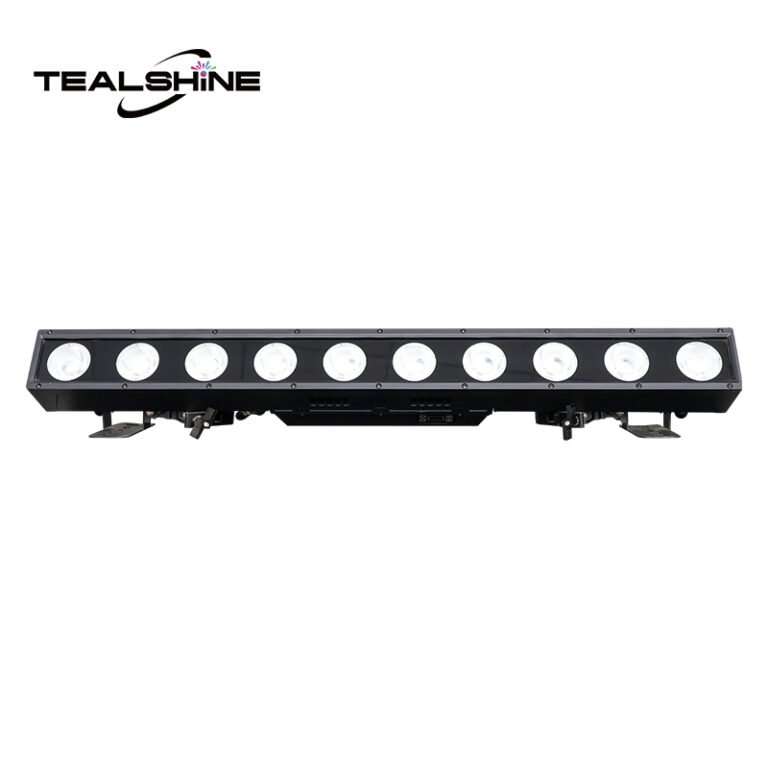
Many event lighting providers already offer lighting as pre-built packages or add-ons, such as uplighting, dance-floor lighting, moving heads, stage lighting,led bar,par can and effect lighting. Lighting package suppliers also typically bundle fixtures, controllers, stands, and accessories together to simplify setup and tear down.
A repeatable lighting package takes the guesswork out of last-minute prep. It also makes your business easier to explain to clients,simpler to train staff on, and far easier to scale.
Understanding Lighting Equipment
When setting up reproducible indoor stage lighting packages, it is essential to have a clear understanding of the various types of lighting fixtures available, including LEDs, Fresnels, spotlights, and washes etc. Each of these fixtures plays a significant role in creating an effective lighting design that enhances the overall aesthetic of the stage.
LED lights have gained popularity due to their energy efficiency and versatility. They can produce a wide range of colors and are capable of dimming without compromising quality. When selecting LEDs for your lighting package, consider specifications such as brightness,color temperature, and power consumption. Their longevity also makes them an economical choice over time.
Fresnels are another common type of lighting fixture used in stage setups. They are characterized by their adjustable beams, which can be focused into a spot or flooded for broader coverage. The ability to alter the beam angle allows lighting designers to create specific effects or highlight certain areas of the stage. Important specifications to consider include the focal length and lens size, which affect the intensity and spread of the light.
Spotlights, often employed for key lighting, provide a concentrated beam of light that can be directed at specific performers or elements on stage. They are crucial for creating drama and emphasis in theatrical productions. When choosing spotlights, it is paramount to evaluate factors such as beam angle, wattage, and the type of bulb used, as these will influence both performance and maintenance needs.
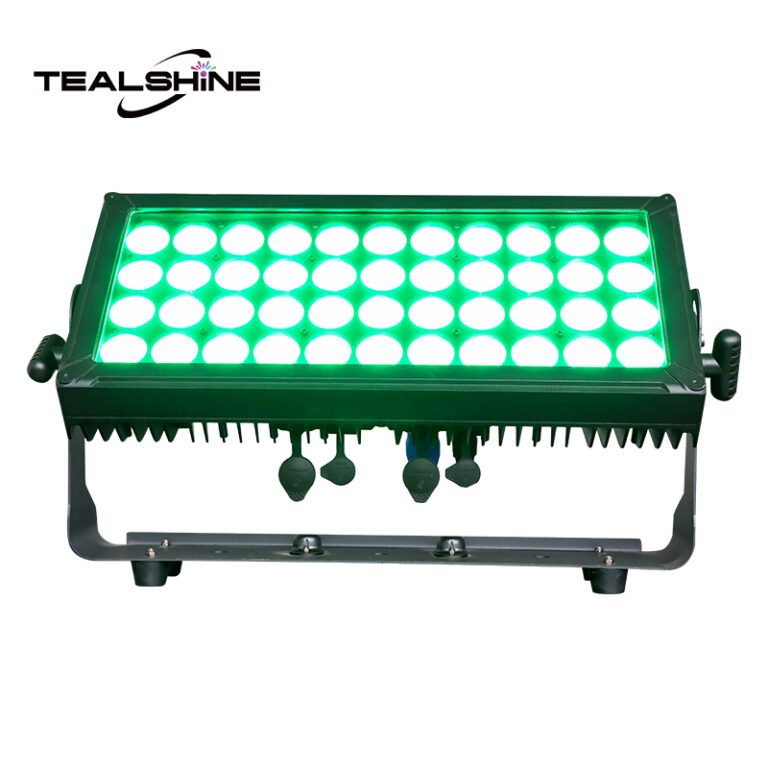
Washes, on the other hand, are designed to illuminate large areas with soft light, providing a backdrop for performances. They can blend colors seamlessly and are essential for accomplishing ambient lighting. Specifications to consider for washes include color mixing capability, beam angle, and brightness.
In summary, understanding the characteristics and specifications of each type of lighting fixture is fundamental to assembling an effective indoor stage lighting package. By carefully selecting the right equipment, one can create an atmosphere that elevates the entire performance.
Why Entertainment Lighting Service Need Reproducible Package?
When every event is built from scratch, small problems happen often during this process.
You probably forget DMX cable,safety chain,and a stand. The controller scene does not match the fixture address. The package you sold is not the same as the gear you load into the vehicle. Setup takes longer than expected, and troubleshooting starts five minutes before guests enter.
A reproducible lighting package helps us solve this by creating a standard system.
Each package should contain:
What fixtures will be included?
What lighting job does each equipment perform?
What kinds of stands, clamps, and safety cables are required?
What kinds of controller or control mode is normally used?
What cables are required?
What does the setup look like?
What checklist must be completed before showtime?
A reproducible package is not just a gear list. It is a service system.
Start With Service Goals, Not Equipment Count
Don’t start by asking, “How many lights should this package include?”
But start by asking, “What should this package help the client achieve?”
Different indoor events need different lighting goals.
Service Goal for Each Type
| Event type | Size | Service Goal |
| Private party | Small | Simple color mixing,movement and energy |
| Wedding | Small | Elegant mood,dance floor with excitement |
| School activities | Medium | Room coverage,High energy |
| Corporate event | Medium | Professional |
| Event Show | Large | Professional,visibility |
For example,A wedding reception may need soft color during dinner and stronger movement later on the dance floor. A school dance may need more active beams, strobes, and energy. A corporate event may need controlled colors, cleaner looks, and less random movement.
This is why a package should be built around the event experience, not just the number of fixtures.
Designing Your Lighting Layout
Creating an effective indoor stage lighting layout is a critical component of achieving the desired aesthetic and ensuring proper coverage. When designing this layout, several factors must be thoughtfully considered, including the angles, distances, and placement of fixtures. These elements contribute significantly to how light interacts with the stage environment and the audience.
| Factors should be considered | Practical application |
| Angles | Down lighting,side lighting,and back lighting are served as specific purposes and can affect the mood and visibility.For example,down lighting can highlight performers effectively,while side lighting can add depth and dimension. |
| Distances | Avoid overwhelming brightness or harsh shadows.A detailed sketch or a computational model can aid in visualizing and planning these distances before physically setting up the equipment. This not only ensures that light coverage is adequate but allows for adjustments if any issues arise during the implementation phase. |
| Placement of fixtures | Enhance the stage effect.Utilizing computational modeling tools can enhance the planning process significantly. These tools can simulate different lighting effects and configurations, offering insights into how various setups will look in practice. Sketches can also serve this purpose, enabling lighting designers to convey their ideas effectively. Through these methods, a more comprehensive understanding of the workspace and lighting dynamics can be achieved, ultimately leading to a more refined and professional setup. |
Choosing Control Systems for Stage
When establishing a reliable indoor stage lighting package, the choice of control systems plays a crucial role in ensuring reproducibility and ease of use during events. Various types of lighting control systems exist, each with its own unique features and benefits. Among the most prevalent options are DMX control systems, wireless systems, and advanced software solutions.
DMX (Digital Multiplex) is a widely-used standard for controlling lighting fixtures. Utilizing a simple daisy-chain approach, DMX allows for intricate programming of lighting effects, cues, and fades. Its robust nature makes it ideal for live events where precision and reliability are paramount. A DMX control console provides users with a tactile interface, enabling them to manually adjust settings swiftly, which is particularly beneficial during live performances.
In contrast to traditional wired systems, wireless control systems offer convenience by minimizing cable clutter and maintaining flexibility. Wireless DMX transmitters and receivers utilize radio frequencies to send lighting commands, making setup quicker and less cumbersome. This technology is especially advantageous in large venues or outdoor events where running cables may be impractical. However, it is essential to ensure that reliable wireless signals are maintained to avoid interruptions in lighting control.
Another option involves software solutions that permit control of lighting via computers or tablets. These systems can integrate with other production technologies, supporting complex lighting designs that can be pre-programmed and easily executed. Using software control allows for real-time adjustments during events, making them versatile tools for professionals in the industry.
Ultimately, the key to a successful indoor stage lighting setup lies in selecting a control system that aligns with the specific demands of each event. Reliable control ensures that lighting can be replicated with precision, allowing for a consistent experience for both performers and audiences alike.
Practical Tips for Setup and Configuration
Setting up reproducible indoor stage lighting packages involves careful planning and execution to ensure all components work in harmony. Proper configuration not only enhances the aesthetics of the performance but also helps in maintaining consistency across different setups. Here are some practical tips to create an efficient and replicable lighting system.
First and foremost, cable management plays a crucial role in both safety and efficiency. Use cable ties or Velcro straps to secure cables to avoid tripping hazards and tangling. Consider implementing color-coded cables for different functions (such as power, data, and control) to further streamline the setup process. By establishing a clear and organized cabling system, you will minimize the time spent troubleshooting issues during your configurations.
Secondly, when aligning fixtures, use a laser level or measuring tape to achieve accurate placements and angles. Consistent fixture alignment can significantly impact the quality of the light produced, and well-placed fixtures will ensure an even spread of illumination across the stage. Marking the positions of each fixture on stage can also facilitate faster setups in future performances.
Testing the entire system before an event is another essential step. Once you’ve set up the lighting, power on all the fixtures and run through each programmed scene or cue. This ensures that every element is functioning properly and helps identify any potential issues that may need to be addressed. New technology, like DMX controllers, can provide helpful diagnostic feedback, allowing you to confirm that your configurations are working as intended.
By focusing on these practical tips for setup and configuration, you will enhance the reliability and effectiveness of your indoor stage lighting packages. These strategies will not only improve your workflow but also ensure that your performances meet the highest standards of quality and consistency.
Creating Documentation and Standards
Developing comprehensive documentation for indoor stage lighting packages is critical to ensuring consistency and reliability during setup. Effective documentation not only aids in achieving reproducible results but also serves as a valuable resource for technicians and crew members. This process begins with the creation of detailed lighting plots, which illustrate the positioning and types of fixtures used in a production. A well-structured lighting plot should include clear indicators for each light source, specifying their respective angles, gobo selections, and color gels. By maintaining such standards, any technician can easily replicate the setup, irrespective of prior experience or familiarity with the specific lighting design.
In addition to lighting plots, user manuals play a pivotal role in streamlining the setup process. These manuals should encompass the operational guidelines and equipment specifications, providing insights on wiring configurations, power requirements, and fixture adjustments. It is essential to organize this information logically, with clearly labeled sections for ease of navigation. Including illustrations or photographs can enhance clarity, offering visual guidance that complements the written instructions. When creating these documents, utilizing simple language is crucial to cater to a varied audience, which may include individuals with different levels of technical expertise.
Another important aspect to consider is the inclusion of troubleshooting tips within the documentation. Anticipating potential issues and providing solutions allows users to address problems quickly, thereby minimizing downtime during production. By establishing these documentation benchmarks, not only do you create a more efficient workflow but also foster a culture of clarity and collaboration within the team.
Troubleshooting Common Lighting Issues
Setting up indoor stage lighting can present various challenges. Understanding and troubleshooting common issues not only streamlines the lighting setup process but also enhances the overall performance during events. One frequent problem is inconsistent lighting output. This may arise due to faulty connections or inadequate power supply. Ensuring that all cables are securely connected and using reliable power sources will mitigate this issue. Performing regular inspections of cables and connectors for wear and tear is also advisable to ensure consistent performance.
Another common issue is flickering lights, which can greatly disrupt a performance. Flickering can often be attributed to dimmer incompatibility, especially if using LED lights. It is essential to ensure that the dimmers employed are compatible with the specific types of lighting fixtures being used. Additionally, maintaining a consistent voltage supply and avoiding the use of overloaded circuits can significantly reduce flickering incidents.
Overheating is another concern that can lead to equipment failure. Stage lights, particularly halogen lamps, are prone to overheating if not given proper ventilation. To combat this, ensure that lighting fixtures are positioned to allow adequate airflow and not obstruct heated air release. If overheating persists, consider using lower wattage bulbs or more efficient LED options.
Moreover, if colors appear washed out or not accurate, this can be a result of incorrect gel filters or color settings. Regularly checking and replacing gel filters and calibrating color settings will maintain the visual integrity of the lighting. Lastly, it is vital to keep detailed maintenance records for each lighting fixture. Such documentation aids in tracking issues and optimizing performance across multiple events, ensuring reliability for future indoor lighting setups.
Conclusion: The Value of Reproducible Stage Lighting Packages
In the dynamic realm of event planning and production, reproducible indoor stage lighting packages play a pivotal role in enhancing the quality and consistency of lighting across various events. These packages provide several notable advantages that can significantly benefit event organizers, lighting designers, and production teams.
One of the primary benefits of implementing reproducible lighting setups is the time-saving factor. By having a standardized approach to lighting, teams can streamline the setup process, which minimizes the need for extensive planning and adjustment. This efficiency allows for more time to focus on other critical elements of event production, ultimately resulting in a smoother execution.
Moreover, reproducible lighting packages reduce stress levels associated with event preparation. With a well-defined system in place, the likelihood of unexpected issues arising is diminished. Event teams can rely on proven configurations that have been tested and optimized, ensuring that every detail is accounted for, and that the lighting will function as intended without the stress of last-minute changes or adjustments.
Additionally, the implementation of these packages guarantees high-quality outcomes for any event. Consistent lighting enhances the overall aesthetics and ensures that performances are presented in the best possible light. The ability to reproduce successful setups means that organizers can replicate successful events while maintaining the same level of artistry and professionalism expected by clients and audiences alike.
In conclusion, the value of reproducible lighting packages cannot be overstated. They offer an efficient, stress-reducing, and high-quality approach to indoor stage lighting configurations, making them an invaluable asset for any event production team aiming for excellence and consistency in their performances.