
Why Outdoor Stage Setup is critical
Setting up an outdoor stage is an intricate process that requires careful planning and execution. Whether it is a concert, festival, or corporate event, a successful outdoor performance hinges significantly on the effectiveness of stage setup. Among the numerous elements involved, stage light management and cable organization play crucial roles in ensuring not only the aesthetic appeal of the performance but also the safety and functionality of the equipment used.
Lighting serves as one of the defining aspects of any live event. It influences the mood, guides the audience’s attention, and enhances the overall visual experience of the performance. Therefore, choosing the right type of lighting fixtures, their placement, and managing their electrical requirements become paramount considerations. A well-lit stage can transform an ordinary performance into an extraordinary spectacle, creating immersive experiences for the audience.
Equally important is the management of cables involved in outdoor stage setup. Unlike indoor environments, outdoor settings present unique challenges, including weather conditions and uneven terrain. Proper cable management not only helps in maintaining a tidy setup but also minimizes the risk of tripping hazards and potential equipment failures. Organizing power and signal lines efficiently can lead to seamless operation throughout the event.
This blog post aims to provide a comprehensive guide to outdoor stage setup, emphasizing the importance of lighting management and cable organization. With practical tips and checklists, event planners and stage managers will be better equipped to execute their vision effectively. By focusing on these fundamental aspects, individuals can ensure that their outdoor events are not only visually stunning but also operationally sound, paving the way for memorable experiences for both performers and attendees alike.
Types of Outdoor Stage Lighting
When organizing an outdoor event, the selection of stage lighting is crucial to achieving the desired ambiance and ensuring that performances are visually captivating. There are several types of lighting commonly used, each serving specific purposes and contributing uniquely to the atmosphere.
Ambient lighting is foundational for creating a welcoming environment. This type of lighting fills the space with a soft glow, often utilizing fixtures such as string lights, lanterns, or diffused LED lights. Ambient lighting is essential for setting the mood and allowing guests to navigate the area comfortably. It softens shadows and highlights natural features of the landscape, providing a cohesive backdrop for the event.
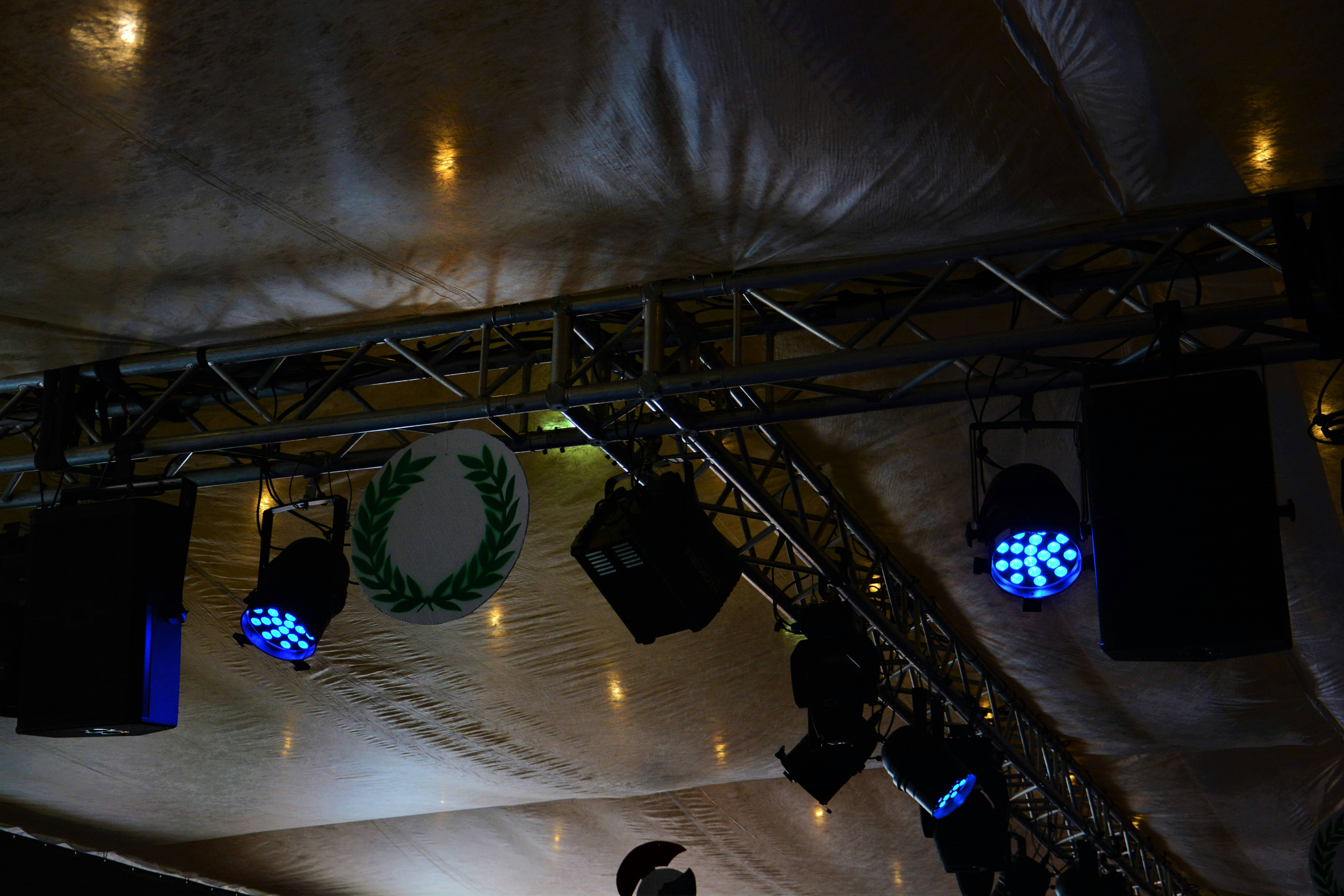
Stage lighting is designed specifically for illuminating performers and the main areas of action. It typically includes spotlights, floodlights, and par cans, which are capable of focusing light to highlight key elements of the performance or to create various effects. This type of lighting can enhance the audience’s engagement by expertly accentuating the performers, allowing for a more dynamic viewing experience. Utilizing a combination of colors and intensities in stage lighting can evoke different emotions and guide the audience’s attention effectively.
Accent lighting plays a complementary role, emphasizing particular features of the stage or surroundings. This can be achieved through the use of uplighting, which highlights architectural elements or natural surroundings, and light sculpture installations, which add artistic flair. Accent lighting draws attention to aspects of the event that may otherwise go unnoticed, contributing to a rich and layered visual experience. By strategically placing accent lights, event organizers can create focal points that enhance the overall artistic vision.
Ultimately, a thoughtful combination of ambient, stage, and accent lighting contributes significantly to the success of an outdoor event, setting the right tone, enhancing performances, and promoting a memorable experience for attendees.
Lighting Equipment Overview
Outdoor stage lighting is critical for enhancing visual experiences during performances. Understanding the various types of lighting equipment is essential for achieving the desired ambiance and visibility. Among the primary lighting tools employed in outdoor settings are spotlights, floodlights, and LED fixtures, each serving unique purposes and functionalities.
Spotlights are focused beams of light that illuminate specific areas or performers on stage. Their adjustable focus allows for both narrow and broad projections, making them ideal for accentuating key elements during a performance. When selecting spotlights, it’s important to consider their wattage, beam angle, and adjustable features. Common types include ellipsoidal and parabolic spotlights, which provide high-intensity, precise lighting.
Floodlights are another essential element in outdoor lighting setups. These fixtures produce a wide, even wash of light that is beneficial for illuminating large areas, such as the entire stage or audience sections. When choosing floodlights, pay attention to the lumens output, color temperature, and size. Fixtures can vary from traditional incandescent floodlights to more energy-efficient options like halogen or LED floodlights, offering different benefits regarding power consumption and light quality.
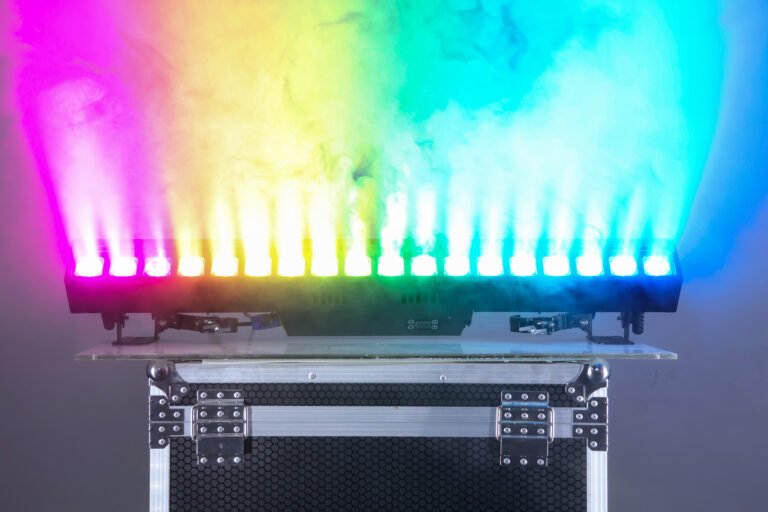
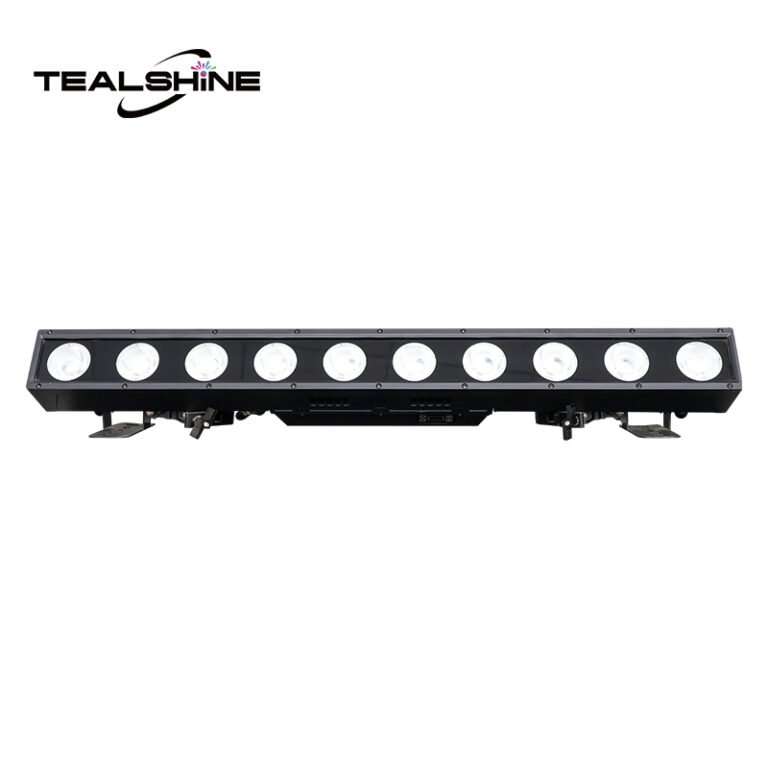
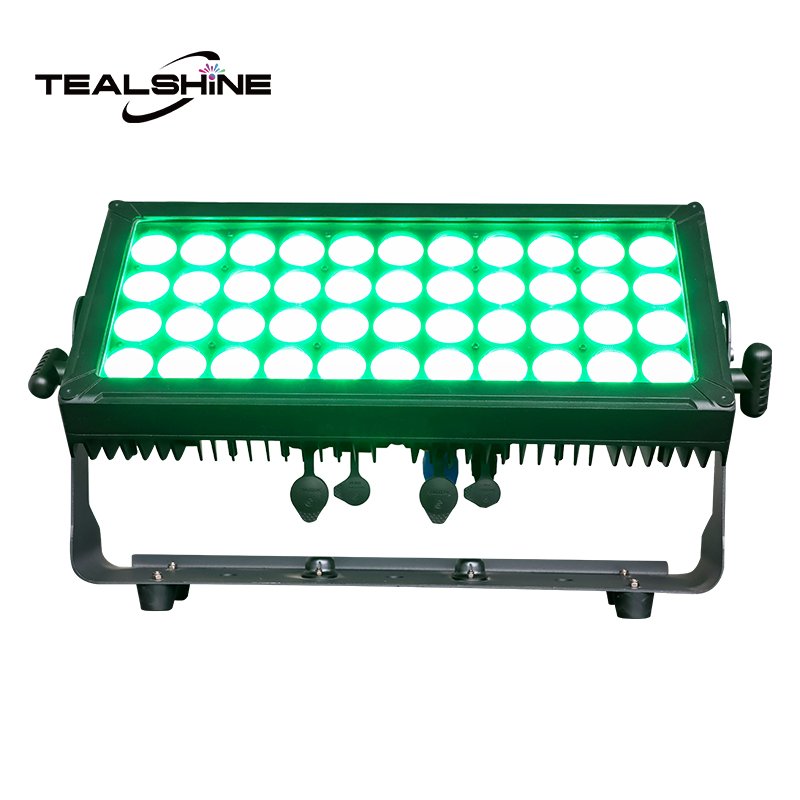
LED fixtures have gained popularity due to their versatility, long lifespan, and energy efficiency. These lights are available in various forms, including par cans and strip lights, and can produce a wide range of colors due to their RGB capabilities. Their programmable features allow for creative lighting designs, making them an excellent choice for dynamic outdoor performances. Additionally, the reduced heat output of LED fixtures makes them safer for outdoor environments where temperature control is essential.
Overall, selecting the right combination of spotlights, floodlights, and LED fixtures will greatly enhance the visual dynamics and energy of any outdoor stage production. By understanding the functionalities and specifications of these essential tools, event planners can create a captivating experience for their audience.
Lighting Management Strategies
Effective lighting management is a critical component for any outdoor event, as it enhances the visual quality of performances and sets the overall atmosphere. To achieve optimal lighting, meticulous planning is essential. Begin by conducting a thorough assessment of the event space to identify areas that require illumination. Consider the type of performance and the audience’s needs when determining specific lighting requirements.
Positioning of lighting fixtures is fundamental to the overall effectiveness of the lighting scheme. Strategically placing lights at various angles allows for dynamic effects, ensuring that performers are highlighted while avoiding harsh shadows. Depending on the type of performance, spotlights may be necessary to focus attention, while softer ambient lighting creates a welcoming environment. Utilizing a combination of different light types, such as LED, floodlights, and gobo projectors, can add depth and interest to the visual experience.
Adjustments during the event are equally important. As performances evolve, adapting the lighting in real-time can significantly enhance the audience’s engagement. Employing a lighting control system allows operators to make instant modifications based on the requirements of the performance. This adaptability not only keeps the lighting fresh but also aligns with the dynamic nature of live events.
In addition, incorporating color filters and gels can transform the mood of the performance. Different colors evoke various emotions and can be switched throughout the event to maintain a vibrant and energizing atmosphere. Moreover, using lighting to indicate changes in scenes or moods can create a powerful storytelling effect, further captivating the audience. Ultimately, a well-executed lighting management strategy will contribute greatly to the success of outdoor events, ensuring a visually stunning experience for all participants.
The Importance of Cable Management
Cable management is a critical component in any outdoor stage setup, acting as a foundation for safety, organization, and aesthetics. In an environment where equipment is frequently moved and adjusted, tangled or improperly arranged cables can create hazards. These hazards may lead to tripping, which poses risks not only to staff but also to performers and audience members. Therefore, ensuring that all cables are neatly organized and properly secured plays a vital role in keeping everyone safe during an event.
Additionally, effective cable management promotes better operational efficiency. Cables that are laid out in a tidy, systematic manner make it easier for technicians and crew members to access the necessary equipment without wasting time unraveling knots or searching for connections. This organization allows for smoother transitions during performances and enables quick troubleshooting should any technical issues arise. Such efficiency can significantly improve the overall performance quality and audience experience.
Aesthetics are another important aspect that cable management cannot overlook. Neatly arranged cables contribute to a more professional appearance of the outdoor stage. Audience perception can be influenced by the visual presentation; a cluttered or chaotic setup may lead to a negative impression, while an organized stage instills a sense of reliability and professionalism. Additionally, careful cable routing minimizes the risk of damage to cables themselves, ensuring longevity and optimal performance of the equipment connected to them.
In conclusion, prioritizing cable management during outdoor stage setups is imperative for ensuring safety, enhancing operational efficiency, and maintaining aesthetic integrity. By diligently addressing cable organization, event organizers can create a more enjoyable and safer experience for everyone involved.
Essential Cable Checklist
When preparing for outdoor stage lighting setups, a comprehensive cable checklist is crucial to ensure everything runs smoothly. The types of cables can be classified into several categories, including power cables, audio cables, and signal cables.
Power Cables: These cables provide the necessary electrical supply to lighting equipment. It is essential to have heavy-duty extension cords that can handle outdoor conditions. Look for cables rated for outdoor use with sufficient gauge to support the wattage of the lights being utilized. Typically, 10-gauge or 12-gauge cables are recommended for most lighting systems.
Audio Cables: For events where sound is integral, such as concerts, proper audio cabling ensures clear transmission of sound signals. XLR cables are vital for connecting microphones to soundboards. Additionally, quarter-inch cables are commonly used for instruments and can connect guitars and keyboards to amplifiers. Ensure to include a few spare cables in case of malfunctions.
Signal Cables: These cables are vital for controlling lighting setups, especially when using intelligent lighting systems. DMX cables, which are typically 5-pin XLR cables, are an industry standard for controlling lighting fixtures remotely. It’s advisable to include several DMX cables of varying lengths to accommodate different setups. Furthermore, end-of-line terminators should also be included in the inventory for uninterrupted signals.
Adapters and Connectors: In addition to primary cables, a range of connectors, adapters, and gender changers may be required. Having a variety of connectors will enable seamless transitions between different devices regardless of their unique terminologies. Common connectors include various types of XLRs, SpeakOn connectors for speakers, and RCA connectors for auxiliary inputs.
In summary, having a detailed and organized checklist of necessary cables and connectors will facilitate a successful outdoor stage lighting setup, allowing for efficient operation and minimizing potential technical issues during performances.
Setting Up Cables Safely
When it comes to outdoor stage setups, ensuring the safe arrangement of cables is paramount to prevent accidents and guarantee smooth operations. One of the primary considerations should be the mitigation of tripping hazards. This can be achieved by strategically routing cables away from high-traffic areas. Utilizing cable covers or ramps can further shield these connections from foot traffic while adding an extra layer of protection.
In addition to physical safety, it is crucial to consider the environmental conditions that could affect the performance of the cables. Ensuring all cable connections are weatherproof is vital, especially in outdoor settings where exposure to elements such as rain or moisture is a concern. There are various products available, including weather-resistant junction boxes and protective sleeves, that can effectively safeguard connections against adverse weather.
Moreover, proper labeling of cables can significantly enhance safety during setups and takedowns, allowing for easy identification and reducing potential hazards. This practice simplifies the overall process, ensuring that the right connections are made while minimizing the risk of confusion or misconnection.
Regular inspection of cables prior to and during events is also recommended. Check for any visible signs of wear, fraying, or damage; addressing these issues proactively can prevent mishaps. Keeping cables organized and bundled neatly using cable ties or wraps ensures that they do not become tangled or snagged, which is especially important as multiple cables may be used simultaneously for lighting management and sound systems.
Testing Your Setup
Proper testing of your outdoor stage setup is integral to ensuring that both lighting and cabling function seamlessly during an event. Start by conducting a detailed inspection of all your equipment to ensure that lights, cables, and other necessary components are intact and per specifications. Before the event begins, it is vital to power up the lighting system and run through a series of basic tests to confirm that everything is operational.
Begin with the lighting fixtures. Activate each light independently to verify that they illuminate correctly and adjust their angles to suit the venue’s layout. This step not only ensures that each unit is functioning but also allows you to identify any misplaced lights. After each light has been checked, perform a synchronization test if your setup involves multiple fixtures. This process will help in detecting any lag or sync issues that might arise during the live performance.
Next, focus on your cabling. Be vigilant in checking that all cables are securely connected and avoid loose ends that could lead to power interruptions. Trace each cable from the power source to the fixtures, and take note of any visible damage or wear. If you discover disconnection or fraying, proactively replace or repair the affected sections before the stage is active.
Common issues to look out for include flickering lights, which often indicate inadequate power supply or incompatible fixtures. If any inconsistencies arise, recalibrate the settings or switch to an alternate power source if necessary. During this testing phase, it is also advisable to have a spare set of cables and fixtures on hand. This foresight enables immediate troubleshooting should any equipment fail.
Taking the time to rigorously test your outdoor stage setup allows for a smooth event, minimizing the chance of technical difficulties that could detract from the audience’s experience.
Conclusion and Final Tips
To ensure a successful outdoor stage setup, prioritizing lighting management and cable organization is crucial. Effective lighting is essential not only for visibility but also for enhancing the overall ambiance and artistic presentation of a performance. Utilizing various lighting types, such as spotlights and ambient lights, can create an immersive experience for both performers and audience members. Understanding the specific requirements for lighting setups can mitigate potential challenges such as inadequate visibility or awkward shadows.
In conjunction with lighting management, organizing cables is equally important. Proper cable management prevents accidents, minimizes tripping hazards, and reduces signal interference. Employing cable ties, floor tape, or cable trays can help keep trails of cables neatly organized. It is advisable to label each cable where possible, which simplifies troubleshooting and enables quick adjustments during performances.
As you prepare for your outdoor stage event, consider conducting thorough pre-event rehearsals. These practice sessions provide an opportunity to address any lighting issues or cable concerns before the actual performance. Moreover, investing in quality equipment, including durable light fixtures and robust cabling solutions, not only enhances performance reliability but also offers peace of mind during events.
Ultimately, the combination of effective lighting management and meticulous cable organization creates a safe and aesthetically pleasing environment on outdoor stages. By following these best practices, event organizers and technicians can ensure that their setups run smoothly, allowing everyone involved to focus on delivering an unforgettable experience. Taking the time to implement these strategies will undoubtedly pay off in the long run.
www.tealshine.com