Professional High Quality Stage Lighting Manufacturer


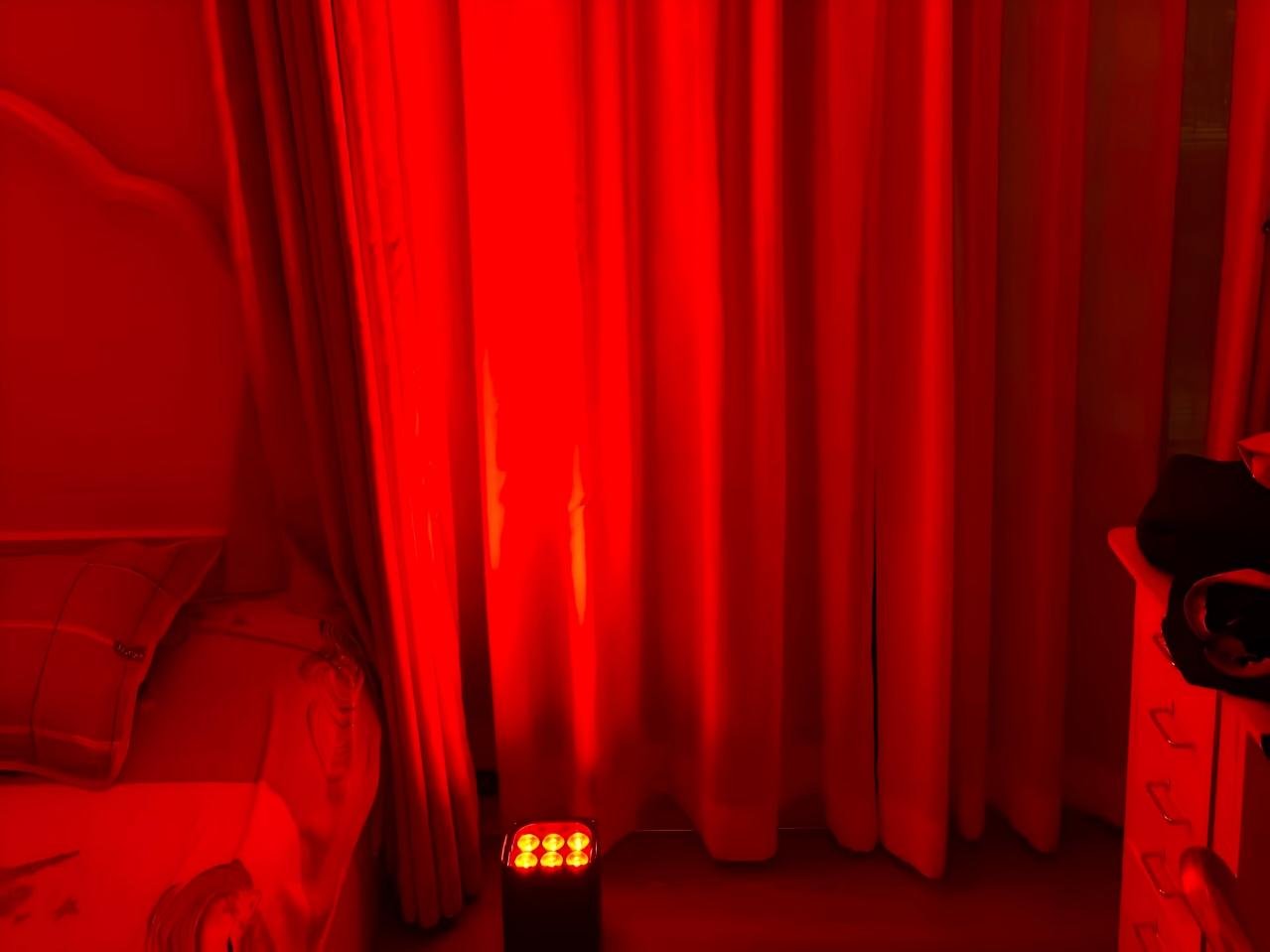
Table of Contents
What Are Par Can?
PAR cans, short for Parabolic Aluminized Reflector cans, represent a crucial fixture in the stage applications. These lighting fixtures are designed to produce a narrow, focused beam of light that makes them particularly effective for illuminating performances and highlighting specific areas on stage or on the wall. This par can helps in directing light in a precise manner, enabling lighting designers to shape the visual landscape of a performance.
The versatility of PAR cans stems from their variety, ranging from traditional slim par can to battery powered par can. Traditional PAR cans, typically utilizing leds, have been a staple in the industry for decades, offering a warm color temperature,a wide range of different color mixing and a reliable output. However, with the development of LED technology, battery powered PAR cans have gained prominence. It greatly enhance event organizer to save operation time and save a lots of cable connection.With this battery powered par can dj fixture,you don’t need worry about the electricity. You can run the show without power supply.
What Is Battery Powered PAR Cans?
Battery powered PAR cans represent an innovative advancement in lighting technology, specifically designed for versatility and convenience. These portable lights function without the need for traditional wiring, utilizing rechargeable battery to provide illumination wherever it is most needed. Key features of battery powered PAR cans include adjustable brightness settings, multiple color options, and sometimes even built-in effects, which enhance their functionality and aesthetic appeal.
One of the most notable advantages of battery powered PAR cans is their portability. This characteristic allows event organizers to easily set up lighting in various locations, particularly in outdoor or remote venues where access to electricity is limited or non-existent. The ease of setup enhances their practicality, as users can quickly deploy these lights without wrestling with cumbersome cords or electrical sources.
Despite these benefits, there are some drawbacks to consider. Battery powered PAR cans typically require regular recharging, and their runtime may vary significantly depending on usage. For instance, while a wired PAR can may provide consistent performance over extended periods, battery operated variants may run for only several hours before needing a recharge. Generally, users can expect runtimes that range from 6 to 20 hours based on the brightness levels selected. It is crucial to plan accordingly based on the duration of your event.
Additionally, charging time can be another consideration, as some models may take several hours to recharge fully, which necessitates advanced planning to ensure that lights are ready for use when needed. Battery longevity also varies among models, with some capable of sustaining long-term use while others may show reduced battery efficiency over time. Understanding these characteristics is crucial when choosing the right lighting solution for your event.
Comparative Analysis: Battery Powered Par Lights vs. Traditional PAR Cans
When selecting led par can light solutions for events, the choice between battery powered PAR cans and traditional PAR cans hinges on numerous factors including cost, brightness, versatility, and placement flexibility. Understanding these aspects not only aids in selecting the appropriate lighting but also enhances the overall event experience.
Battery powered PAR cans present a unique advantage in terms of placement flexibility. They operate without the need for a power outlet, enabling them to be positioned in areas that may be difficult to access with traditional lighting setups. This autonomy is particularly beneficial for outdoor events or those that require lighting in remote locations, where available power sources are limited. Moreover, battery powered PAR cans are often designed to offer sufficient brightness levels suitable for various event settings. However, it is essential to consider their power limitations; most battery operated models require recharging after a set duration of use, which can impact extended events.
On the other hand, traditional PAR cans, which rely on AC power, tend to offer greater brightness consistently. They are commonly utilized in venues,clubs,events and some activities where high-intensity lighting is necessary. This makes them a preferred choice for indoor events and concerts. While traditional PAR cans may be less versatile in terms of placement due to their dependence on power infrastructure, they generally incur lower operational costs over time since they do not rely on rechargeable batteries.
Ultimately, the decision between battery powered PAR cans and traditional PAR cans should be influenced by the size and scale of the event, available power sources, and specific lighting needs. For smaller, short-term events where mobility and ease of setup are required, battery powered options are often favored. In contrast, for larger events demanding extensive and durable lighting solutions, traditional PAR cans are likely to be more effective. By weighing these factors, event planners can make informed choices regarding their lighting needs.
How To Choose The Right Par Can Stage Lighting Solution For Your Event?
Selecting the appropriate lighting solution for your event is crucial in creating the desired ambiance and overall experience. When evaluating whether to use battery powered PAR cans or traditional PAR cans, several key factors must be taken into account, including the venue layout, the specific lighting effects required, and your budgetary constraints.
First and foremost, assess the venue where the event will take place. Indoor locations with access to power outlets might be more suitable for traditional PAR cans, as they provide reliable energy and can handle extended use without the need for recharging. Conversely, open-air venues or locations without power access may benefit significantly from battery powered PAR cans, which eliminate concerns about electrical connections and offer greater mobility.
Next, consider the lighting effects you wish to achieve. Battery powered PAR cans are excellent for creating vibrant colors and dynamic effects since they often utilize LED technology. This can be particularly impactful for events where visual engagement is a priority, such as concerts or theatrical productions. Traditional PAR cans, while also versatile in their applications, might be preferred for more permanent or significant installations, where sustained performance and dependability are necessary.
Budget is another important factor. Generally, battery powered PAR cans can have a higher initial cost due to their advanced technology. However, they save on labor and power consumption costs in the long run. Weigh the trade-offs between upfront expenses and potential savings over time to make an informed decision.
Looking ahead, the lighting industry is rapidly evolving with advancements in technology. Emerging trends may further enhance the capabilities of both battery powered and traditional PAR cans. Staying informed about these developments can help you adapt your lighting strategy, ensuring your event meets modern standards and expectations.
In conclusion, the choice between battery powered PAR cans and traditional PAR cans should be meticulously considered based on venue characteristics, desired lighting outcomes, budget, and future technological trends. By selecting the right tools for your event, you can create the perfect atmosphere that resonates with your audience.
For more details about led stage lighting,please check https://plsn.com/